

A quiet revolution is taking place in South African hospitals and clinics, one that’s reshaping how healthcare professionals understand and treat members of the LGBTQI+ community.
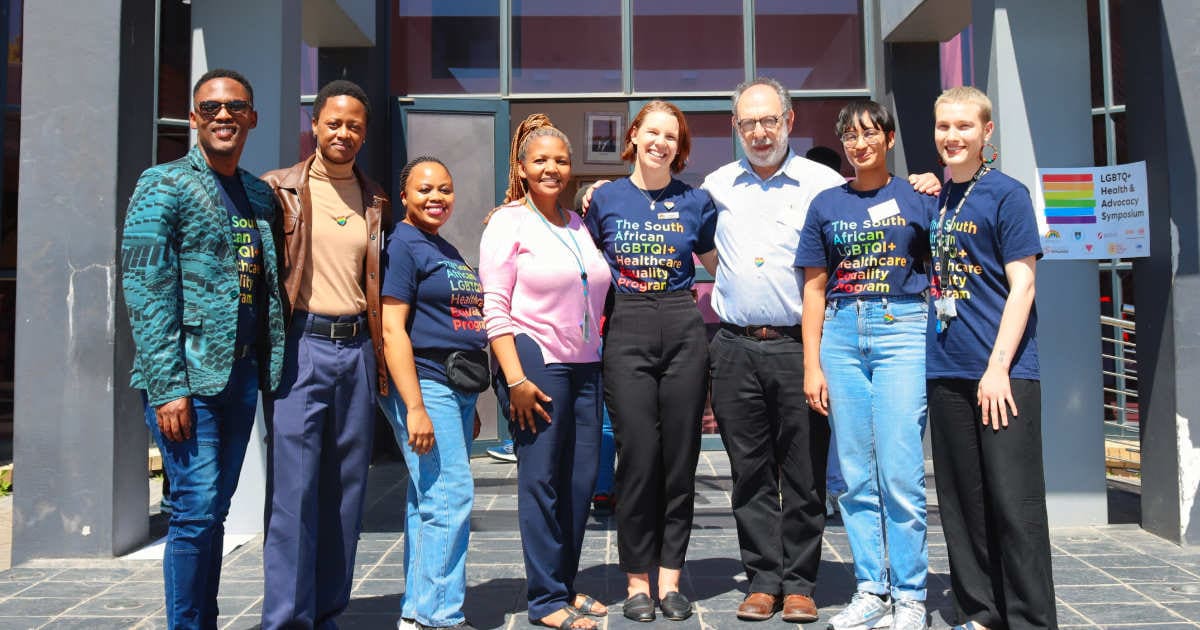
On 17 October 2025, the Desmond Tutu Health Foundation (DTHF) hosted the LGBTQI+ Health Dialogue at the Khayelitsha Training Centre, bringing together healthcare professionals, activists, and government representatives from across the Western Cape.
The event showcased the progress of the South African LGBTQI+ Healthcare Equality Programme, an initiative designed to make public health facilities more inclusive, respectful, and accessible to members of the LGBTQI+ community.
The Dialogue’s purpose was to showcase the progress made through the programme’s inclusive healthcare trainings since their rollout across the province.
Speakers and panelists from the City of Cape Town Health Department, the Western Cape Department of Health and Wellness, and partner organisations such as Gender Dynamix, Triangle Project, and Inclusive and Affirming Ministries reflected on how attitudes, systems, and care practices are evolving.
Building Inclusive Health Spaces
Developed by the LGBT+ Health Division of the DTHF, the LGBTQI+ Healthcare Equality Programme provides a comprehensive, year-long model to help health facilities embed equality into their daily operations.
It’s already being implemented in the City of Cape Town, Beaufort West, and the Central Karoo District, with plans to expand nationally.
The programme includes three CPD-accredited workshops, open to everyone from nurses and doctors to administrative and security staff:
- Gender and Sexual Diversity Workshop – This first session introduces participants to key concepts such as sex assigned at birth, gender identity, and sexual orientation. It uses practical exercises and real-life testimonies from transgender and gender-diverse people to challenge biases and encourage empathy.
- Organisational Change Workshop – The second session helps facilities identify how inclusive their environments really are. Staff assess their own clinics using an “Inclusivity Assessment Tool,” and plan improvements, from updating patient forms to include pronouns, to setting up gender-neutral toilets and visible inclusivity signage.
- Gender-Affirming Care Workshop – The final session focuses on the clinical aspects of care for transgender and gender-diverse patients, including hormone therapy, ethical consent, and referral pathways for specialist services.
DTHF facilitators also conduct on-site mentorship visits to help staff create LGBTQI+ Inclusivity Action Plans, facilitate dialogues with community members, and ensure that inclusion becomes a sustainable part of each facility’s culture.
“This programme is about creating spaces where everyone feels safe, respected, and understood,” says Lynn Bust, Research Project Manager and Programme Lead at DTHF. “We’ve seen real, on-the-ground changes. In the Central Karoo, for example, pharmacies are now continuing hormone therapy prescriptions, meaning clients no longer need to travel to Cape Town for their care. That’s a huge milestone.”

From Training to Transformation
For many health professionals, the programme has been both a professional and personal awakening.
“What I’ve noticed is that we’re so quick to accept people in our personal spaces, but in the workplace, the rules change,” says Kayleigh Bouwers, Community Liaison Officer for the Central Group District, Department of Health and Wellness. “Blending your personal beliefs of acceptance into how you serve clients, that mind shift has been really significant.”
Bouwers says these shifts are crucial for a health system that aims to live up to government values like caring, accountability, respect, and responsiveness.
“You can’t speak about caring or integrity without being able to accurately serve all communities,” she adds. “And that includes our LGBTQI+ community.”
Sue Ellen van Niekerk, Head of Comprehensive Personal Primary Health Care and Programmes at the City of Cape Town, echoed this sentiment in her keynote address at the Khayelitsha Dialogue.
“We want our facilities to be places where community members feel seen, heard, and respected,” Van Niekerk said. “When someone walks into a clinic, they should be met with a caring clinician, one who shows empathy and compassion. That’s how we give dignity back to our people.”
Van Niekerk noted that while discrimination and negative attitudes have been ongoing challenges, partnerships with DTHF are helping to change that culture.
“Through collaborations like this, we’re capacitating our staff and taking proactive steps to make sure every person feels welcome.”

A Documentary that Brings the Message Home
A highlight of the Khayelitsha Dialogue was the screening of Mirror Him, a powerful short documentary sponsored by the Desmond Tutu Health Foundation.
The film follows Lilita Singata, a transgender man, as he navigates his journey of transition in South Africa. Through Lilita’s eyes, viewers witness both the personal and medical aspects of transitioning, from hormone therapy to self-acceptance.
In the documentary, Lilita’s mother shares her own journey of understanding and acceptance, describing the misconceptions she once held about gender transition and how she came to embrace her son fully. The film also features Lilita’s childhood friend, who reflects on watching his social and medical transition unfold with admiration and support.
The screening was followed by an open discussion moderated by Gita November of Gender Dynamix, featuring Lilita, his mother Priscilla Thokozile Singata, and member of the youth-led group Queer & Active, Phiwe Mxenge. The conversation underscored how representation and storytelling can dismantle stigma and inspire compassion within communities and healthcare systems alike.
Recognising Partnerships and Progress
The Dialogue concluded with the South African LGBTQI+ Healthcare Partnership Recognition Awards, celebrating the organisations and individuals championing inclusivity in healthcare.
Messages of solidarity were shared by Triangle Project, Gender Dynamix, and Inclusive and Affirming Ministries, reinforcing the collective effort required to sustain this transformation.
The Foundation also expressed gratitude to its long-term sponsors, the Charlize Theron Africa Outreach Project and Gilead Sciences, for their unwavering support in funding workshops, research, and community initiatives.
“Our sponsors play a vital role in helping us reach more facilities and communities,” said Bust. “Their support allows us to create real impact, not just policy change, but human change.”

Looking Ahead
As the programme continues to expand, the vision remains clear: to build a healthcare system where every LGBTQI+ person is treated with respect, dignity, and understanding.
“This work can’t be done in isolation,” Bust says. “It’s the power of the collective, and that collective must always centre queer voices. Together, we can make inclusive healthcare the norm, not the exception.”
Or as Bouwers puts it simply:
“We’re no longer telling communities what to do, we’re asking what they need. And that’s how we build a public health system that truly serves everyone.”