

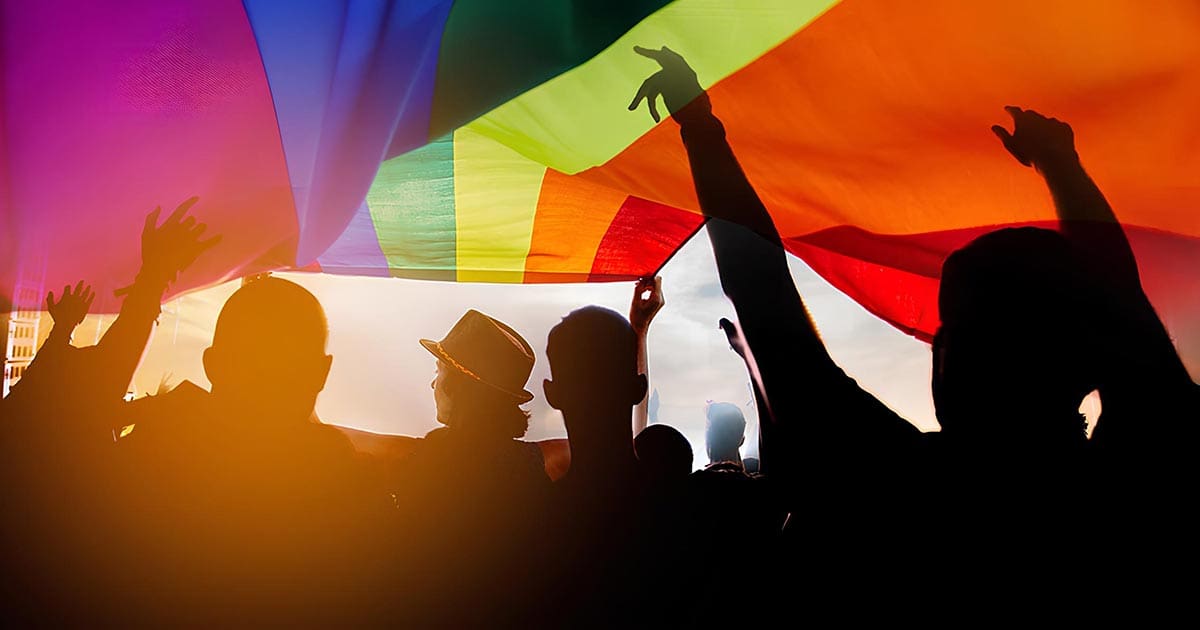
Members of South Africa’s LGBTQIA+ community are set to take to the streets of Pretoria on Human Rights Day, 21 March 2026, in a national march aimed at pressing government to accelerate the implementation of equality and inclusion measures.
Organised by the SA Queer Movement for Human Rights in Diversity, the march will begin at 10:00am at Burgers Park and proceed 1.2km to the Department of Justice and Constitutional Development, where a memorandum and petition will be handed over.
The demonstration comes as South Africa marks 30 years since the adoption of its Constitution, widely regarded as one of the most progressive in the world for LGBTQIA+ rights. However, activists argue that lived realities still fall far short of constitutional promises.
“We chose Human Rights Day to remind our government and the citizens of South Africa that LGBTIQ+ rights are human rights,” said Ntsupe Mohapi, National Chairperson of the SA Queer Movement. “This moment represents solidarity and unity. We are not leaving anyone behind.”
Focus on schools, services, and dignity
The march aims to highlight ongoing human rights challenges faced by LGBTQIA+ people, with a particular focus on discrimination in schools. Organisers are also calling for more inclusive policies across public healthcare, the justice system, and access to basic services such as gender-neutral public toilets.
Among the key demands outlined in the memorandum are:
- Faster processing of identity documents for transgender individuals who have legally amended their gender markers
- Legal recognition of intersex persons, including the possibility of a third sex designation
- Expansion of LGBTQIA+-friendly healthcare services, including improved HIV, STI, and TB prevention and treatment
- Dedicated, victim-centred services for LGBTQIA+ individuals within Victim Empowerment Programme centres
- The provision of unisex toilets in public spaces
- The establishment of a government Directorate for LGBTIQ+ Affairs with a dedicated budget
- Increased government support to help LGBTQIA+ organisations meet compliance requirements for public funding
Mohapi emphasised that while some progress has been made, including developments such as hate crime legislation and the formation of national and provincial task teams, significant gaps remain.
A call for urgency and accountability
Activists argue that many of the demands are practical and achievable, requiring political will and improved coordination rather than entirely new frameworks.
“There are strides made by government, especially from the Department of Justice, and we commend them for that,” Mohapi said. “But we need urgency in implementation. Our communities are still fighting for basic safety, dignity and inclusion.”
The march will follow a route east along Vermeulen Street, turning onto Paul Kruger Street and then onto Pretorius Street, ending at the Department of Justice offices.
What comes next?
While organisers say they are hopeful that their demands will be addressed, they are also preparing for continued advocacy if progress stalls.
“If these demands are not met, we will engage further with government and continue working with LGBTIQ+ organisations and allies to ensure that our demands are realised,” Mohapi explained.
The movement is also calling on the broader public to play a role in advancing equality.
“The broader public can support by normalising inclusion of LGBTIQ+ people, challenging heteronormativity, and standing with us at the march,” Mohapi added.
As the country reflects on the legacy of Human Rights Day, organisers say the march is both a protest and a reminder: constitutional rights must translate into everyday realities for all.