

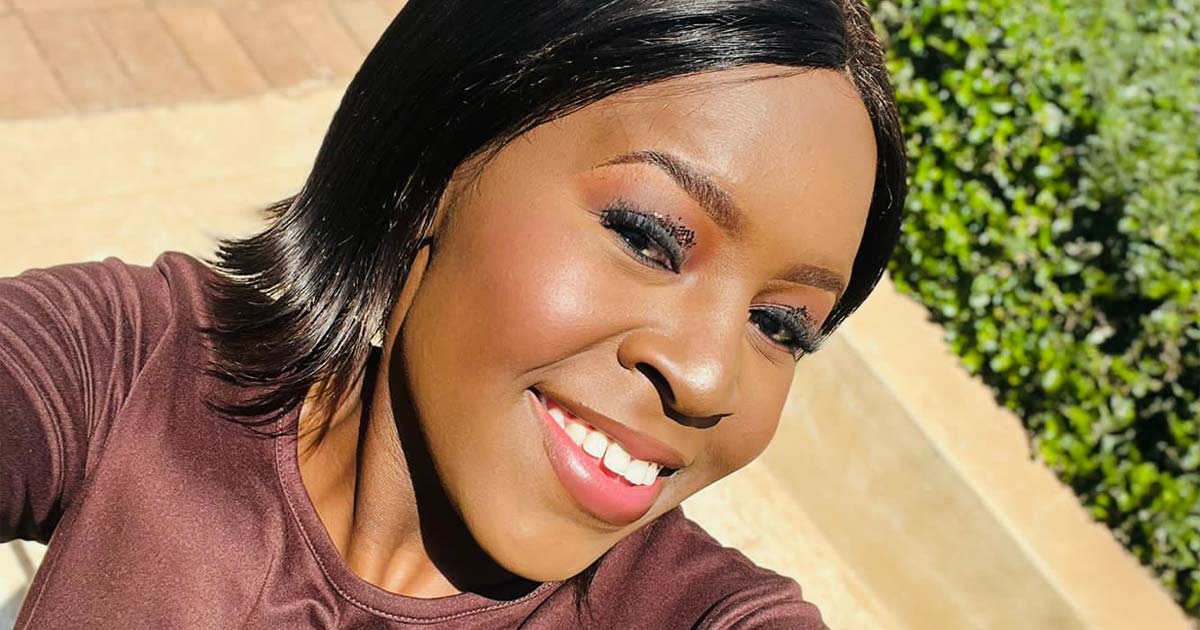
When Maya Sebopelo speaks about her life, there’s a calm clarity in her voice — the kind that comes from deep self-knowledge, but also from having endured far too much, far too young. “There wasn’t a specific moment I realised I was different,” she says softly. “When I was a toddler, I always saw myself as part of the girls. I did everything female until gender roles were introduced to me.”
It’s a quiet but powerful declaration of identity — one that should have been met with affirmation, support, and dignity. Instead, Maya’s journey as a transgender woman in South Africa has been one marked by systemic neglect, medical gatekeeping, and an exhausting cycle of hope and disappointment.
Now 25, Maya began her gender transition in 2017 at the age of 18. “That was when I took the mask off,” she says. “I didn’t come out to anyone. I just lived as myself. I started dressing how I wanted, taking care of my mental health, and learning about myself.” Her voice was already androgynous, and she used it to affirm herself long before hormones or clinics entered the picture.
Her family’s response was neutral, almost quiet — which, in a world where many trans people face violence and rejection at home, felt like a small mercy. “Nobody had a bad reaction,” she recalls. “People only ever knew me as a girl. I never had to make a big announcement.”
But affirmation in public life — especially within healthcare — proved elusive.
Desperate to take the next steps in her transition, Maya researched South African hospitals that might offer gender-affirming care. Her online search led her to Steve Biko Academic Hospital in Pretoria. “I saw that they help trans people with hormones and surgery,” she explains. “So I went.”
Initially, things seemed promising. “The endocrinology staff weren’t rude. They explained the steps — starting with a psychiatric evaluation. I was hopeful. I wasn’t nervous. This is what I wanted. I was confident.”
That confidence would soon be tested.
When Maya expressed her need for gender-affirming surgery — a procedure that for many trans people is life-saving — she was met not with empathy, but with excuses. “First, they blamed COVID-19,” she says. “Then they said cancer patients were the priority. Then it was budget cuts. Then they said there weren’t enough doctors. But other people were getting surgeries. It was just me being told all this.”
She tried everything: “I kept sending emails to the head of urology, to the CEO, to the Department of Health, to the Minister of Health. I even went to the hospital’s quality assurance office to submit complaints. Nothing changed. No one responded.”
Each unanswered email felt like another door slamming shut. Each delay became another reminder that in the eyes of the public health system, her needs were invisible.
Maya sought help from advocacy groups. While Access Chapter 2 helped her with legal gender recognition, another, she says, failed to provide support despite repeated requests. Her dignity was bruised. Her hope was fraying. But her voice — her truth — remained unwavering.
“They treat us like our healthcare doesn’t matter,” Maya says, her tone edged with exhaustion. “They don’t see gender-affirming care as real healthcare. They act like it’s a choice. Like we can live without it.”
For Maya, the issue is not just about her own body. It’s about the structural disregard for the trans community — the repeated message that their lives are not worth prioritising.
“If they knew what gender dysphoria does to people, the pain, the suicide rates, the mental health toll… maybe they’d care,” she says. “But unless they walk in our shoes, they will never see our pain as real.”
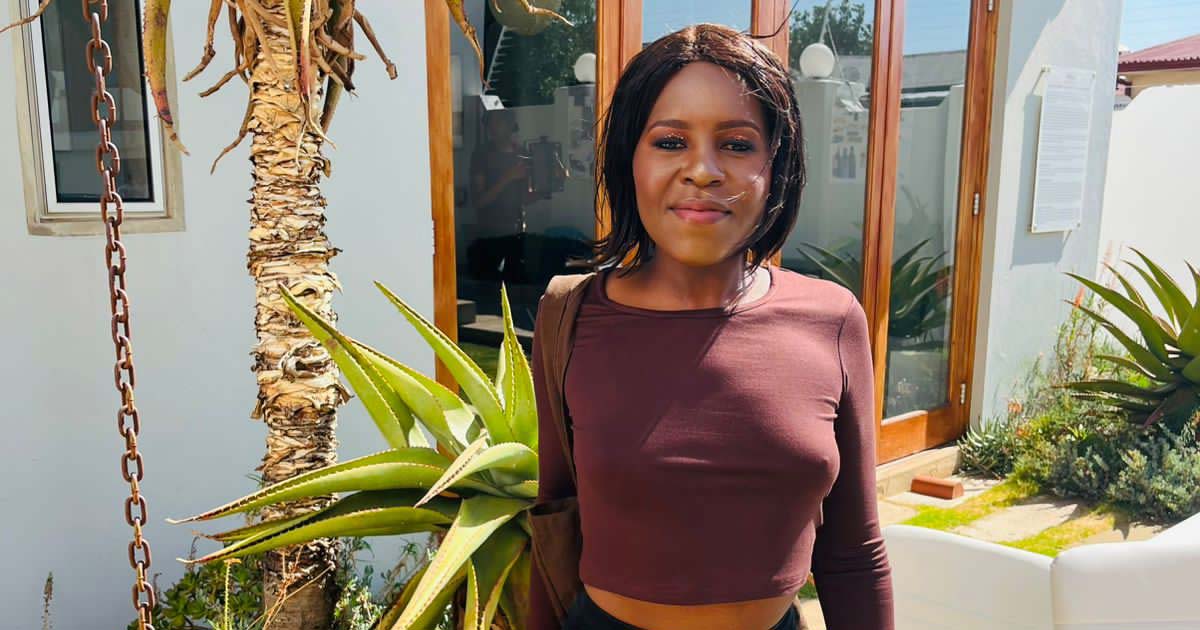
Her message to South African healthcare officials and policymakers is firm and full of grace: “We don’t transition to impress anyone. We do it so we can be whole. So we can live. We want to align our bodies with our spirits — to live freely, joyfully, healthily. Isn’t that what everyone wants?”
Maya’s experience is not isolated. Across the country, trans South Africans continue to face monumental barriers to accessing gender-affirming care, especially in the public sector. Lack of resources and political will, psychiatric gatekeeping, and long waiting lists of up to 25 years for surgery— if you’re even placed on one — are common. For many, the burden becomes unbearable.
But Maya refuses to be erased.
Her resilience is a testament to the will to exist in a world that too often refuses to make space. And her story is a call — not just for visibility, but for action, investment, and institutional change.
“I just want to be me,” she says. “That’s all I’ve ever wanted.”
MambaOnline reached out to Steve Biko Academic Hospital — a key public health facility in Gauteng — for comment regarding their gender-affirming healthcare services. While we received acknowledgement of our request, a response was not forthcoming.