

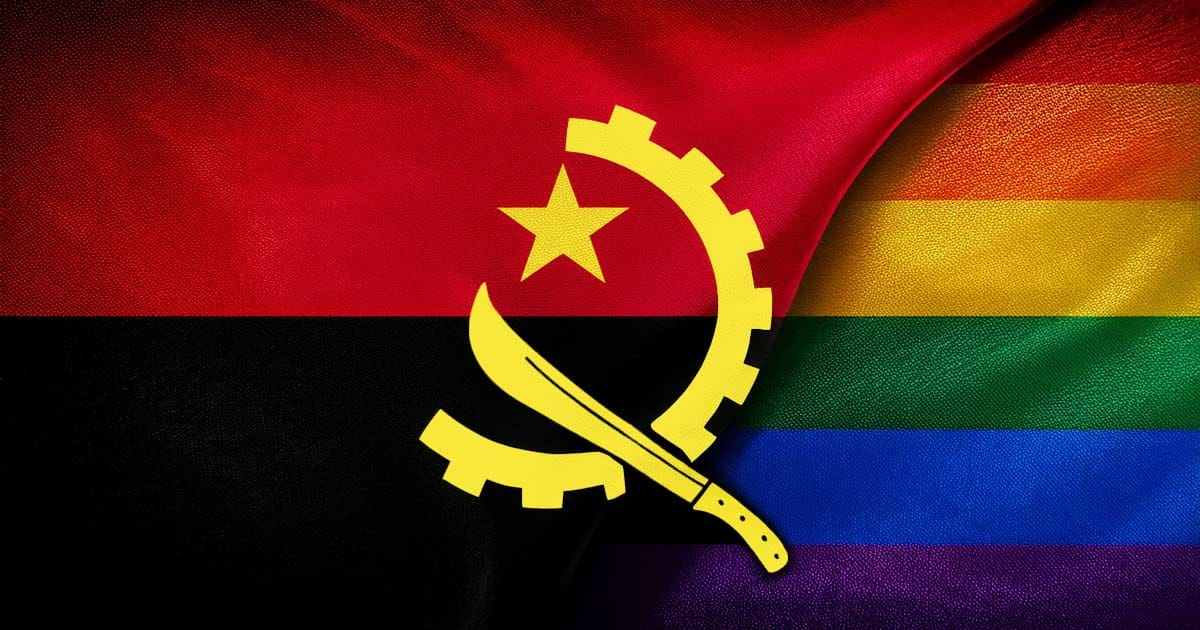
LGBTQIA+ activists in Angola are sounding the alarm over a proposed campaign to ban queer content from media platforms.
The initiative, which seeks to erase LGBTQIA+ visibility from television and the internet, is being met with fierce resistance from Angolan civil society and rights groups who warn of dangerous legal, cultural, and humanitarian consequences.
Relíquia Ryan, Director of Administration and Finance at Íris Angola Association, is among those leading the charge against the initiative. For Ryan, the proposal not only threatens progress but also undermines the Constitution of Angola.
“This is a clear attempt to roll back the legal progress we have made, especially after decriminalising same-sex relationships [in 2021],” Ryan tells MambaOnline. “Legally, it directly conflicts with the Constitution, which guarantees equality, dignity, and freedom of expression.”
From an advocacy standpoint, Ryan believes the consequences would be dire.
“It could jeopardise the already limited resources available to organisations like Íris Angola by discouraging international donors and partners committed to human rights,” they explain.
Rosie Motene, feminist writer, activist, healer, and co-chair of The Other Foundation, echoes this concern, warning of the wider implications.
“Any form of erasure or ban on our existence creates dangerous conditions, it legitimises hate, emboldens the far right, and gives homophobia and transphobia a legal and cultural foothold,” she says. “Culturally, it sends a message that queer and trans people do not belong, that their experiences are shameful or criminal.”
A Shadowy Campaign, A Real Threat
While the campaign’s public face remains ambiguous, it poses a very real threat. According to Ryan, “They only call themselves civic and religious activists – they are anonymous. We are investigating who they are and taking the appropriate action.”
Though lacking formal attribution, the campaign’s framing suggests it may have the backing or at least ideological alignment of conservative religious and political interests.
Activists stress that even without named instigators, the threat must be taken seriously. Angola is not immune to the regional rise in anti-LGBTQIA+ rhetoric and legislation, and the campaign reflects similar tactics being employed across the continent: faceless appeals to morality that mask targeted discrimination.
Activists argue that the campaign to censor LGBTQIA+ content is not only unconstitutional but a step toward legalised discrimination.
“This initiative violates Article 40 of the Constitution, which protects freedom of expression, and Article 23, which guarantees equality,” says Ryan. “It’s censorship rooted in prejudice, disguised as cultural protection.”
From Policy to Lives at Risk
Imanni Da Silva, founder of Movimento Eu Sou Trans Angola, agrees that this is far more than a symbolic attack.
“It’s an attempt to convince the public that we are a problem,” says Da Silva. “That gives power to those looking for an excuse to exclude and erase us.”
According to Da Silva, the daily lives of trans individuals in Angola are already fraught with danger and stigma, and the ban would only escalate that reality.
“There are cases of discrimination by police agents, teachers, and healthcare workers, those who are supposed to protect and serve,” she notes.
Still, Da Silva finds hope in the resilience of the community.
“We have happy ending stories of trans individuals who finished university, got jobs, and even opened businesses. But we need more structural support to ensure these stories aren’t the exception.”
Legal Tools, But Also Political Will
Ryan is hopeful that legal channels can offer protection but warns that the political will to enforce them is crucial.
“We can invoke several constitutional provisions and international treaties ratified by Angola, including the African Charter on Human and Peoples’ Rights,” Ryan explains. “There’s growing jurisprudence that recognises LGBTQIA+ rights under dignity and equality clauses.”
Motene emphasises that activism and advocacy need to be context-aware and collaborative.
“We need to move beyond performative solidarity and engage in intentional, informed amplification,” she says. “That means understanding the specific context in Angola, the language, the legal framework, and the unique challenges faced by Lusophone queer communities who are often sidelined in regional discourse.”
A Call for Continental Solidarity
In the face of escalating threats, Da Silva highlights the need for unity, both within Angola and across Africa.
“We’re walking hand in hand with other LGBTIQPA+ groups to hold the architects of this campaign accountable. We consider it a hate crime against the entire community,” says Da Silva.
She sees this as a moment for trans activists and allies across the continent to mobilise together.
“It’s time for our communities across Africa to come together, especially now, as anti-LGBT laws are gaining ground in other countries.”
Motene agrees. She views Angola’s crisis as a pivotal moment for the Pan-African LGBTQIA+ movement.
“One key lesson is the urgent need for true Pan-African solidarity that is inclusive of Lusophone, Francophone, and other often-marginalised regions,” she says. “Visibility without protection is not enough. We must build infrastructure that protects our communities legally, culturally, and physically.”
As activists in Angola continue to fight for visibility and dignity, they are reminding the world that decriminalisation is not the finish line; it’s just the beginning of a much longer journey toward justice.




2 Comments
Sobre todas as falas na abordagem de Ryan eu super concordo , todos temos direito a proteção e esse caso não estará a parte
Jamais nos calarão, nós existimos e sempre existiremos!