

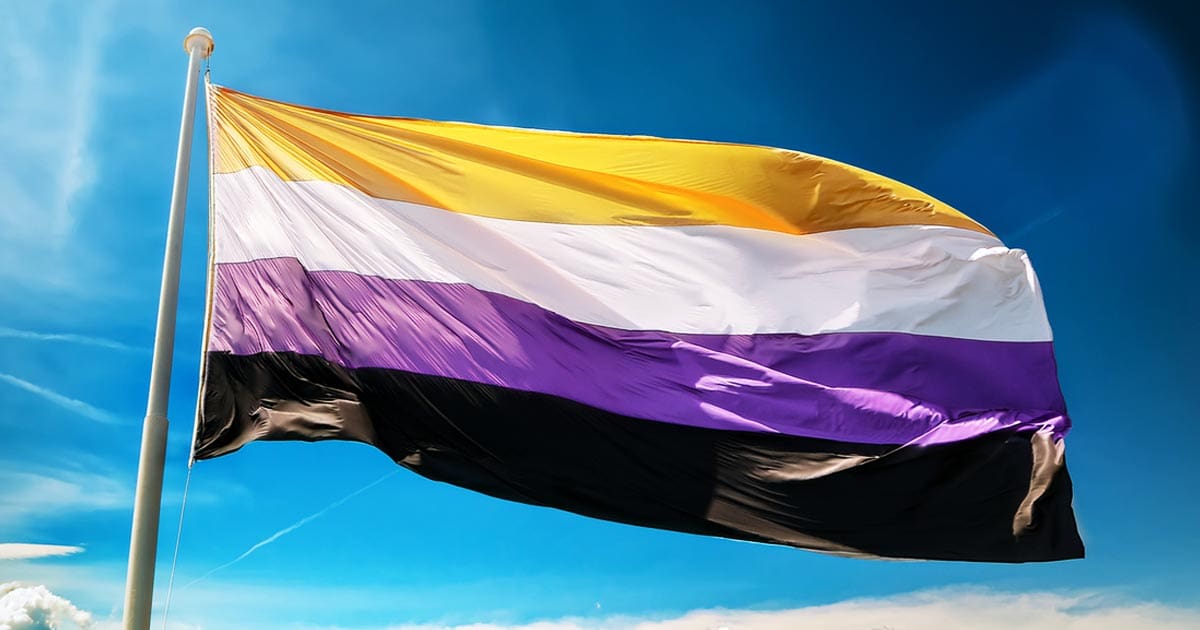
In recent years, more people around the world have begun identifying as non-binary—a gender identity that challenges traditional ideas that people are exclusively either a woman or a man.
But what does being non-binary actually mean? And why is it important to understand and respect this identity?
Here’s a simple explainer to help you better understand non-binary identity and why it matters—especially within the LGBTQIA+ community.
What Does Non-Binary Mean?
Non-binary is a term used to describe someone whose gender identity doesn’t fit neatly into the categories of “male” or “female.” While many people identify strictly as men or women, non-binary people may feel like they are both, neither, a third gender, or somewhere in between.
Non-binary people fall under the wider transgender umbrella because their gender identity is different from the sex they were assigned at birth. However, not all non-binary people identify as transgender—identity is personal, and there’s no one-size-fits-all label.
Is Non-Binary a “New” Concept?
No, it’s not new—although it may be new to many people. Cultures around the world have long recognised more than two genders.
In Ghana, for instance, indigenous communities like the Dagaaba people have historically acknowledged gender diversity beyond the male/female binary.
Other examples include the Hijra in South Asia, Two-Spirit individuals among Native American nations, and fa’afafine in Samoa. While the language we use today may be different, the experience of living beyond binary gender roles is nothing new.
Common Non-Binary Identities
Non-binary is a broad umbrella that includes a range of gender identities. Some common terms include:
Genderqueer: A catch-all term for gender identities that are not exclusively male or female.
Genderfluid: A person whose gender shifts over time or depending on the situation.
Agender: Someone who feels they have no gender at all.
Bigender: Someone who identifies with two genders, either simultaneously or at different times.
It’s important to remember that every non-binary person experiences their gender in a unique way, and their labels—or lack thereof—should be respected.
Pronouns and Respect
Non-binary people may use a variety of pronouns. The most common are they/them, but others may switch between he/him and she/her or neopronouns such as xe, ze, sie, co, and ey. Some non-binary people may even choose not to use pronouns at all and prefer their names only.
Asking for and using someone’s correct pronouns is a simple but powerful way to show respect. If you’re unsure, it’s okay to politely ask or listen to how someone refers to themselves.
Why Non-Binary Visibility Matters
Non-binary people often face misunderstanding, discrimination, and even violence—especially in communities where gender roles are rigid. They are also more likely to experience mental health challenges, often because of stigma, lack of recognition, and rejection by family or society.
Seeing non-binary people represented in media, policy, and daily life helps affirm their existence and humanity. Whether it’s in gender-neutral bathrooms, inclusive healthcare, or recognising non-binary markers on official documents, visibility can be life-changing.
Non-Binary People Are Valid
Being non-binary is not a phase, trend, or confusion. It’s a deeply felt and valid identity. Like anyone else, non-binary people deserve safety, respect, and the freedom to live as their authentic selves.
Understanding what it means to be non-binary is not just an LGBTQIA+ issue—it’s about expanding our view of humanity and embracing the rich diversity of how we exist in the world.
As we continue to push for equality and inclusion, let’s ensure that non-binary people are not just included, but celebrated.