

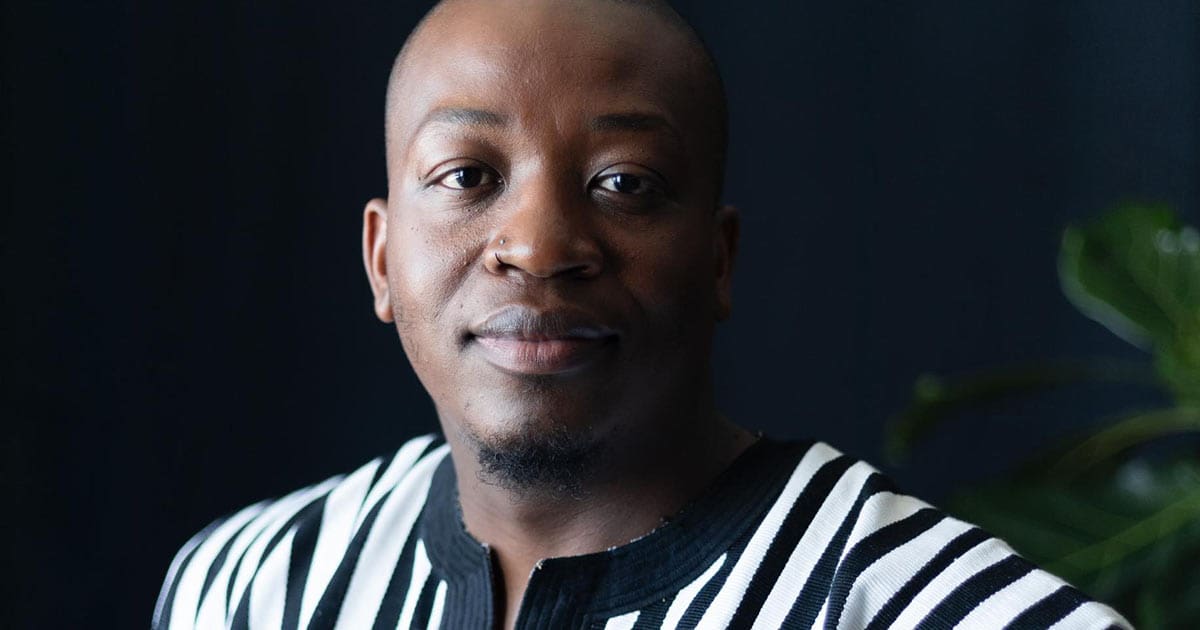
Brian Sibeko-Ngidi, Director of Uthingo Network in Pietermaritzburg, reflects on his recent visit to the United States and the urgent lessons South African queer advocacy can draw amidst growing global backlash and USAID funding cuts.
The two weeks I recently spent in Los Angeles offered a unique opportunity to immerse myself in a different sociopolitical context while drawing parallels with the lived realities of LGBTI advocacy in South Africa.
One of the highlights of my trip was visiting the Los Angeles LGBT Center, which, according to my observation, is an iconic organisation that has stood as a beacon of hope, care, and resistance for queer people in the United States for nearly six decades.
In light of the recent USAID funding cuts, I was keen to understand how these developments affect frontline activists and organisations in the US, and to explore the parallels with the advocacy landscape in South Africa.
Cross-Continental Parallels and Shared Threats
What emerged from my engagements was a sobering yet affirming reality of resilience in the face of shrinking civic space and regressive policy shifts.
The activists I engaged with at the Center described the USAID funding cuts as a significant blow, particularly to initiatives focused on community health, housing, and youth programming. There was a shared concern that these cuts not only undermine local capacity but also set a dangerous precedent for the global funding ecosystem where LGBTI programmes are often among the first to be deemed expendable.
Global Anti-Rights Movements and Local Realities
What stood out was how activists grapple with the same ideological enemies we face in South Africa, even within a well-resourced context like Los Angeles. The anti-rights and anti-gender movement has transformed into a transnational campaign, which is camouflaged under the language of “parental rights,” “religious freedom,” and “traditional values.”
Whether in South Africa, the US, or elsewhere, these narratives weaponise disinformation and moral panic to roll back hard-won gains in sexual and reproductive rights, gender identity recognition, and queer inclusion.

The Funding Gap and the Question of Sustainability
In both contexts, LGBTI organisations are now required not only to serve their communities but to also actively defend the legitimacy of their existence. These conversations highlighted the synergies and shared strategies. For instance, the use of storytelling, strategic litigation, and local coalition-building stood out as common modes of resistance.
Yet, a stark difference remains: US-based organisations, despite the funding cuts, still have relatively more access to private philanthropic support and domestic donors who are receptive to LGBTI causes.
In South Africa, where philanthropy is still deeply conservative and state funding for LGBTI work is almost non-existent, our options are limited, which makes international support and solidarity crucial for survival.
This disparity raises important questions about sustainability and autonomy in the LGBTI advocacy space. If movements in the Global South are continually at the mercy of shifting geopolitical priorities in the Global North, how do we build robust, locally funded, and community-driven infrastructures of care and resistance?
My engagement with these activists deepened my belief in the importance of cross-border solidarity, not just in the form of moral support, but also in building technical capacities, sharing advocacy strategies, and jointly demanding accountability from multilateral institutions and donors.
Building a Future Rooted in Justice and Liberation
My takeaway from this exchange was a renewed understanding that LGBTI advocacy is not just about identity politics but democracy, justice, and human dignity.
As both our countries navigate volatile political landscapes where hate is increasingly normalised, our work becomes more than just defensive. It becomes a radical act of imagining and constructing alternative futures rooted in care, equity, and liberation.