Queer, African and Proud: Inside the Third Buffalo City Inclusive Pride March
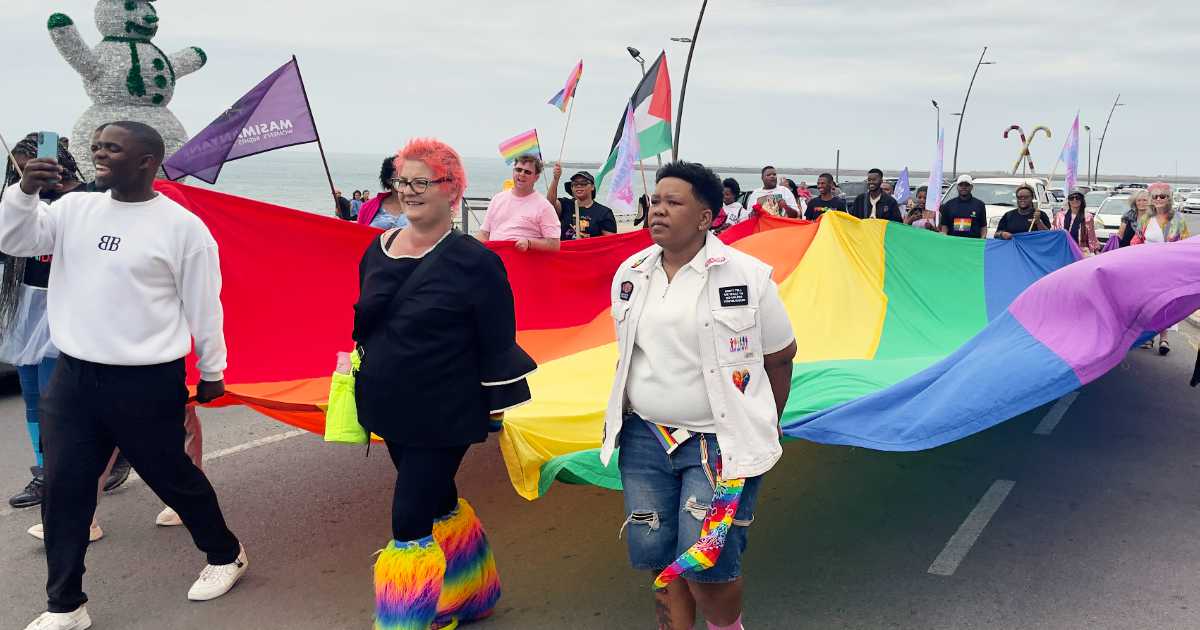
After the Buffalo City Metro marked its third Inclusive Pride March in East London on 29 November, organisers Zade De Kock and Sivuyile Mtana reflect on the event’s significance in a climate of rising queerphobia and contested cultural identity. They explain why Pride in Buffalo City remains not only a celebration, but a vital act of resistance, community-building, and affirmation for LGBTQIA+ people across the Eastern Cape.
When Pride comes around, we often experience a powerful mix of relief, anger, love, exhaustion, and a steadfast belief that we deserve more. This year, as Buffalo City prepared for its third Inclusive Pride, those feelings were stronger than ever.
Our theme was a bold reminder of our truth: we are queer, African, and proud. A history intent on erasing us shapes it, a present trying to control us, and a future we’ll define for ourselves.
This message is a direct response to those, like Ngizwe Mchunu, who still insist that queerness is un-African; and religious leaders like Sheikh Jameel Adams and Haroon Orrie from PAGAD, who deny our humanity and want to see us exterminated.
We didn’t just march, we engaged in an act that is political, cultural, and deeply personal. Pride is our refusal to shrink. Here, our African and queer identities meet without contradiction, a reminder that our heritage and queerness belong side by side.
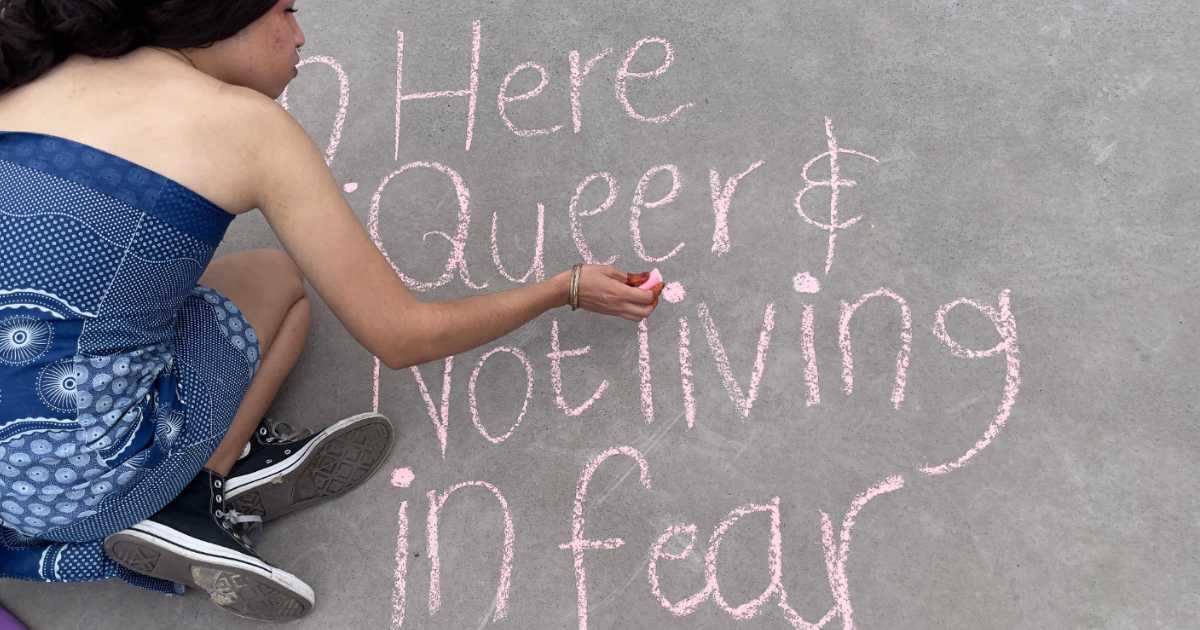
We walked because queer people across Buffalo City and the Eastern Cape still face harassment, assault, rape, and even death, often justified by distorted notions of culture, religion, or tradition. There’s no verified provincial database tracking hate crimes, so exact numbers are unknown. But the absence of data doesn’t mean the absence of violence.
Silence in our systems echoes as loudly as the stories shared in community halls, taxis, and township homes. We know the fear that lingers and the quiet that follows when someone’s child is beaten or mocked for simply existing.
Pride in Buffalo City has always been about celebration and belonging, but it’s also an engine for movement building. It pushes for visibility, inclusion, and equality and stands firm against ongoing queerphobia in our communities.
We marched with generations of queer Africans who resisted colonial erasure and oppression, a declaration that no one else can define our Africanness. We made ourselves visible in a city that too often looks away, saying: We are here. We are rooted. We are not going anywhere.
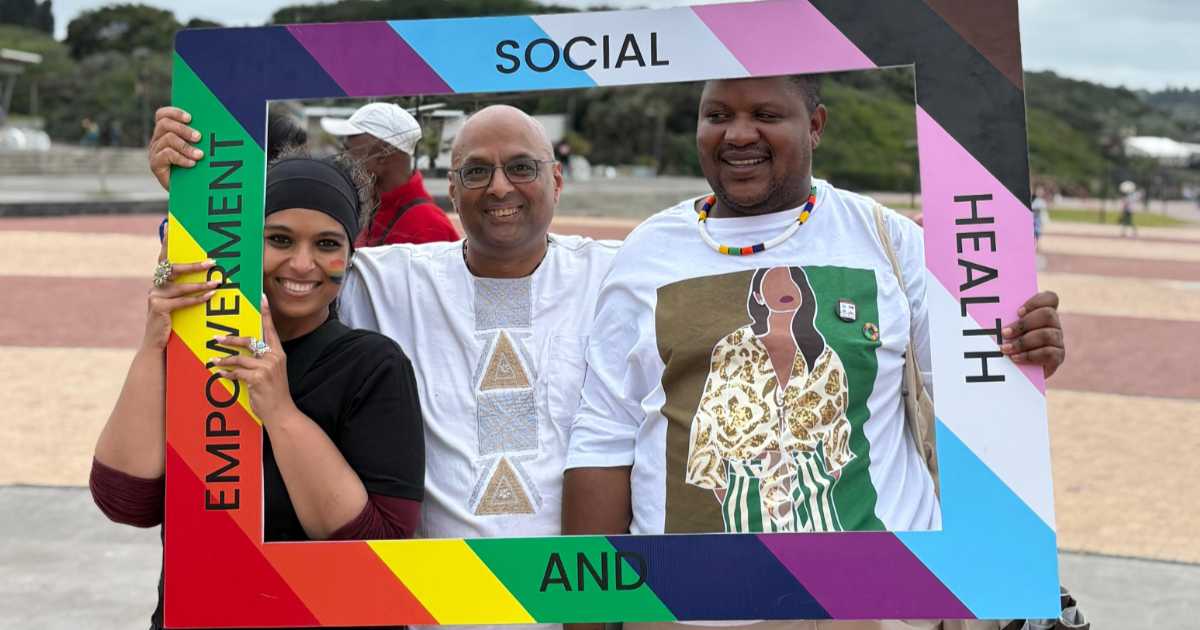
Yet, Pride is not only about joy. It’s about survival. Every queer person knows how quickly celebration can be interrupted by threat or violence. That’s why we raise urgent concerns for better law enforcement training, safer and more confidential reporting, and consistent follow-up on hate crime cases. We call on law enforcement to form genuine partnerships with LGBTQIA+ organisations to rebuild trust and prevent violence.
Pride is also a moment to reclaim what belongs to us. Many spiritual leaders and sangomas already affirm that queerness and African spirituality can coexist. Their leadership proves that hatred has no sacred foundation, and their presence fuels our hope that more voices will reject violence, not justify it.
This Pride was a march and a commitment to building a city where queer people can live, love, dance, and create without fear. It was a reminder that the future of Buffalo City, and this country, includes us.
We began at the Old Fleet Spar in Quigney, lacing up our shoes and donning our queer outfits. With our ancestors in our hearts, our community by our side, and future generations behind us, we set out. Marching down Curry Street, we sang and waved our pride flags in celebration of our right to safety, dignity, and joy.
Down the Esplanade, past the beachfront Christmas decorations, we reaffirmed that being queer, African, and proud is not a fleeting slogan but a way of living, resisting, and creating a world where freedom is real.
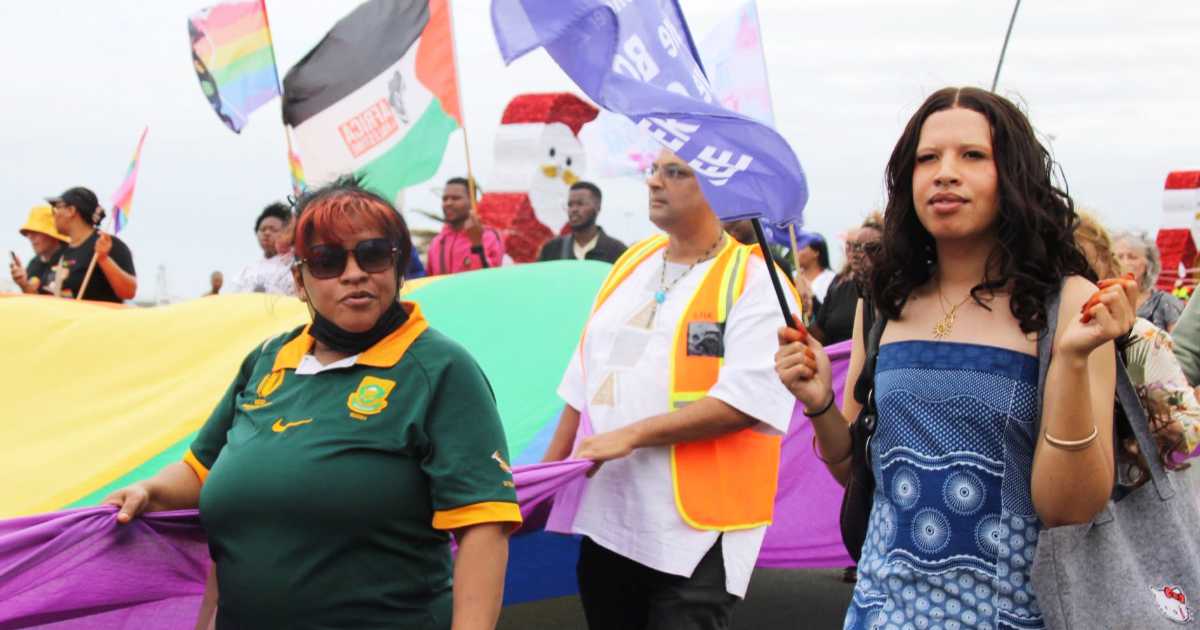
During the 16 Days of Activism Against GBV, we marched and concluded our journey at Baby Lee Jeggels Park, a beachside space dedicated to Leighandre Jeggels; a talented South African boxer, karate champion, and educator from East London who was tragically murdered in 2019 by her police officer boyfriend.
As part of our pride, we picnicked, enjoyed games, and participated in interactive sessions. Together, we marched, danced, and celebrated our queer African identities, striving for a more inclusive and just world. Buffalo City
Inclusive Pride was a day of protest, fun and visibility. Walking through the streets of Buffalo City, with brightly coloured pride flags as shields, we felt seen, and in community, we felt safe.
Umafrika ngokwelifa lemveli. Queer ngokuzalwa. Ndiyazingca ngokhetho. (African by heritage. Queer by birth. I’m proud of the choice)
By Zade De Kock and Sivuyile Mtana, on behalf of Buffalo City’s 3rd Inclusive Pride.
Leave a Reply