Home for the Holidays? Your LGBTQIA+ Holiday Survival Guide to Navigating Homophobic Family Dynamics
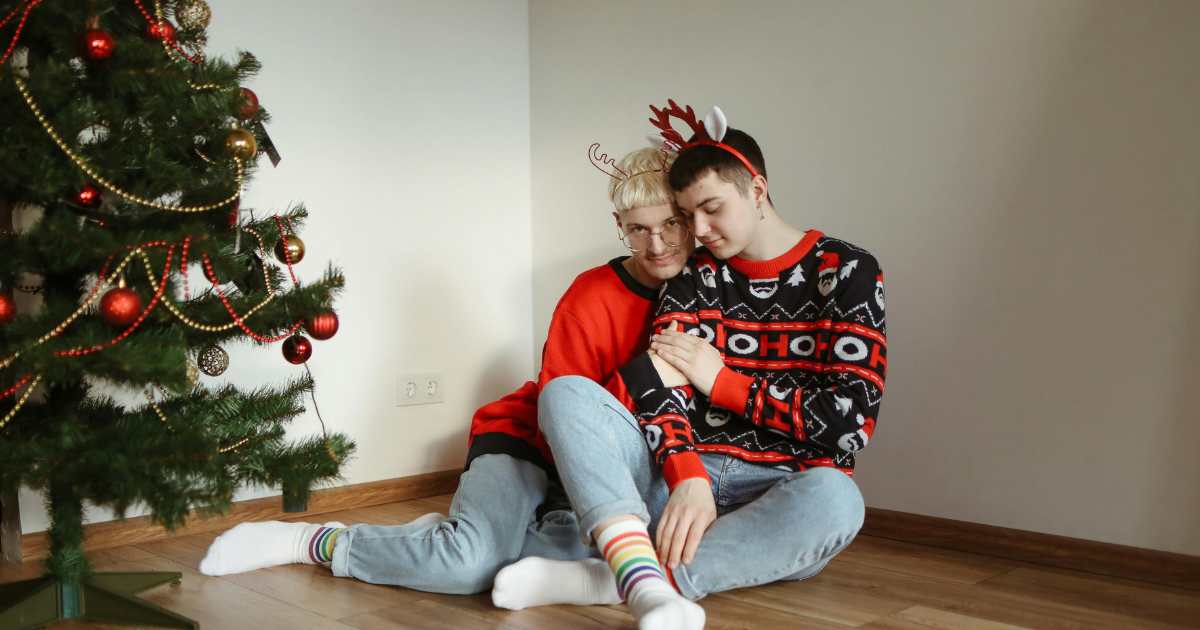
Tinashe Kushata of Queerwell provides expert advice on how LGBTQIA+ people can manage homophobic or hostile family environments during the festive season. (Photo: Polina Tankilevitch/Pexels)
For many LGBTQIA+ people, the festive season is a double-edged sword. While marketed as a time of joy and belonging, it can also bring stressful family dynamics, invalidation, or outright hostility. Navigating holiday gatherings as a queer person often requires emotional strategy, grounding skills, and support. We’ve created a LGBTQIA+ holiday survival guide to help you navigate this time.
To help unpack practical tools for surviving the season with dignity and calm, MambaOnline spoke with Tinashe Kushata, Registered Counsellor and Clinical Manager at Queerwell, about what queer folks can do when family spaces become uncomfortable or unsafe.
What practical tips can queer people use in the moment when family members make homophobic comments or express discriminatory views during holiday gatherings?
Holiday gatherings can be deeply uncomfortable when family members voice homophobic views. In those moments, pause before reacting – a slow, grounding breath can help you respond from a calmer place. If you choose to engage, use “I” statements, such as: “I feel uncomfortable when comments like that are made.” This communicates impact without escalating conflict. It’s also valid to change the topic, set a boundary, or excuse yourself briefly. Importantly, remind yourself that their beliefs reflect their worldview, not your worth or identity. Protecting your peace is not avoidance – it is self-preservation.
How can LGBTQIA+ individuals respond when relatives refuse to use their correct pronouns or gender, especially when correcting them repeatedly becomes emotionally exhausting?
Having to correct people about your identity repeatedly can be exhausting. It is reasonable to decide where and when you have the energy to engage. A firm but simple reminder, such as “My pronouns matter to me,” may be enough. If it continues, it’s okay to step back rather than educate others at the expense of your emotional well-being. Offer yourself internal validation through self-affirming statements like, “I am who I know myself to be,” which counters external invalidation. Respect should not be conditional, and you are not responsible for managing other people’s discomfort.
For those who feel their mental health is deteriorating in a homophobic household but cannot leave the environment, what coping strategies or grounding tools would you recommend?
When you cannot leave a discriminatory home environment, prioritise internal safety. Grounding techniques – focusing on your breath, sensations in your body, or what you can see and hear – can regulate overwhelming emotions. Create micro “safe zones,” whether it’s listening to music with headphones, journaling, or spending time in your room. Online queer communities, counselling services, and helplines can provide affirmation when your immediate environment doesn’t. Survival itself is not weakness – it is resilience in action.
What can queer people do when they feel triggered or overwhelmed during a family event — are there discreet ways to self-regulate or step away without drawing attention or causing conflict?
If you feel triggered, you don’t need to justify stepping away. A simple line like “I need a moment” or an offer to help in another room lets you exit without conflict. Discreet grounding tools – slow breathing, pressing your feet firmly into the ground, or sipping water – can help calm your nervous system. Connecting briefly online with a supportive friend or chosen family member can also provide an emotional reset. Presence at a gathering does not require enduring harm.
For individuals who are still in the closet and fear being outed or judged during family gatherings, what guidance can help them navigate the holidays safely while protecting their emotional well-being?
Not everyone has the privilege or safety to be open about their identity. If you fear being outed, prepare neutral responses to intrusive questions, such as, “I’m not ready to talk about that,” or, “That’s personal for now.” Decide in advance which topics are off-limits and commit to protecting those boundaries. Reach out to supportive people before and after gatherings for emotional grounding. Your identity remains valid even if it cannot be expressed openly – hiding it for safety is not a sign of shame; it is a strategy.
Chosen families are often a lifeline for queer communities. How can individuals stay connected to supportive networks even when they’re physically far from them during the holidays?
Queer communities often form chosen families because they offer safety and affirmation. Even when separated physically, technology allows meaningful connection. Schedule check-ins, share voice notes, photos, or memes — small interactions remind you that you are seen. Engage with online queer spaces, forums, or support groups. Rituals that affirm your identity – music, media, art – can help you feel held by your community, even from a distance. Belonging does not always require proximity.
What warning signs should queer people look out for that indicate they may need professional help and what mental health resources or helplines would you recommend during the festive period?
If the holidays leave you feeling persistently hopeless, anxious, withdrawn, or overwhelmed – or if you experience identity-based shame, self-harm thoughts, or emotional numbness — these may be signs that additional support is needed. Professional help can offer a space where your identity is affirmed rather than questioned. In South Africa, services such as LifeLine, Triangle Project and Queerwell provide LGBTQIA+-affirming mental health support. Reaching out is not a failure – it is an act of courage and a recognition that you deserve care.
The festive season can bring warmth, but it can also expose old wounds and uneasy family dynamics for many LGBTQIA+ people. As Tinashe Kushata reminds us, support, grounding, and clear boundaries are vital tools for staying emotionally safe during this time.
In Tinashe’s words:
“The festive season often highlights the gap between who we are and what our families choose to accept. Queer people deserve peace, respect, and affirmation, not conditional love. Whether through boundaries, grounding techniques, chosen family, or professional help, there are ways to protect your well-being. Your identity is not negotiable, and you are not alone.”
Her message is a reminder that queer people deserve more than survival this season. They deserve care, dignity, and the freedom to protect their own peace — no matter what family table they find themselves at.
Call Lifeline’s 24-hour counselling line on 0861 322 322, the South African Depression and Anxiety Group’s Mental Health Line on 011 234 4837 (8am – 8pm Mon – Sun), or the Suicide Crisis Line on 0800 567 567.
Leave a Reply