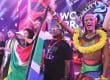


A 2025 report by the European Parliamentary Research Service revealed that 31 countries in Africa still criminalise same-sex relationships. Identifying as lesbian, gay, bisexual, transgender, or other queer identity (LGBTQI+) is illegal in most parts of the continent. Laws prohibiting same-sex relationships largely date back to the colonial era and continue to endanger the LGBTQI+ community.
To end the hostility, African countries must repeal colonial-era laws and foster inclusion for the LGBTQI+ community. Local communities must confront harmful beliefs influencing homophobia and support survivors of LGBTQI-related violence.
Repealing colonial-era laws in Africa is necessary for progress and prosperity. A 2022 study by Ayodele Sogunro found that homophobia is not indigenous to Africa. Colonial authorities introduced and enforced homophobia through legal systems aimed at dividing and controlling Africans. Repealing these laws would be an opportunity for African countries to replace inherited oppression with African values of justice, community, and shared humanity.
The progress realised in a few African countries offers hope for the continent. Angola, Mozambique, and Botswana have already repealed anti-LGBTQI+ laws. However, Ghana and Mali are moving in the opposite direction and proposing harsher measures. Laws should acknowledge LGBTQI+ identities and allow individuals to express their sexual orientations freely.
Education is critical to reshaping the views of Africans about LGBTQI+ and same-sex relationships. Schools should encourage empathy, diversity, and inclusion for the LGBTQI+ community. As the Nigerian writer, Chimamanda Ngozi Adichie, said, “The problem with stereotypes is not that they are untrue, but that they are incomplete. They make one story become the only story.”
Adichie’s statement reflects how society reduces LGBTQI+ to a single harmful narrative, overlooking their full humanity and diverse experiences. This stereotypical narrative also fuels misunderstanding and hostility towards the LGBTQI+ community.
Broadening perspectives within and beyond the classroom is necessary. Schools should introduce critical discourses that challenge stereotypes about LGBTQI+. Educators should encourage respect for LGBTQI+ identities, creating a safe environment for the community.
Victims and survivors of LGBTQI-related violence need support. LGBTQI+ individuals often face unjust arrests, forced anal examinations, and so-called corrective rape. Victims of these acts deserve justice, protection, and healing. Governments must implement policies that prohibit such practices and instead hold perpetrators accountable.
Support services—legal and psychosocial—should be readily available to the survivors of these inhumane acts. Private hospitals and healthcare providers can support LGBTQI+ survivors by offering safe, confidential, and inclusive medical care. Collaborating with LGBTQI+ advocacy organisations can also enhance staff training and improve the quality of care for survivors.
Change must begin at the community level. African communities must embrace their values of shared humanity and compassion to support and protect everyone equally. Perpetrators of harmful practices often seek justification in cultural or religious traditions. These traditions should not justify discrimination. The values of respect, care, and togetherness enrich African traditions. These values prevail, regardless of sexual orientation or gender identity.
Traditional and religious leaders must help build inclusive communities. They can become powerful voices for acceptance and understanding. Addressing homophobia does not require adopting foreign ideologies. It should involve restoring the ideals of African societies that once valued harmony, inclusion, and mutual respect.
Africa’s rejection of LGBTQI+ people builds on colonial laws, fear of losing traditional or religious control, and misconceptions. Africa must restore justice and compassion and build a continent where everyone lives openly and safely.
Thapelo Moeketsi is a writing fellow at African Liberty. He is on X @Wil_Moeketsi.