
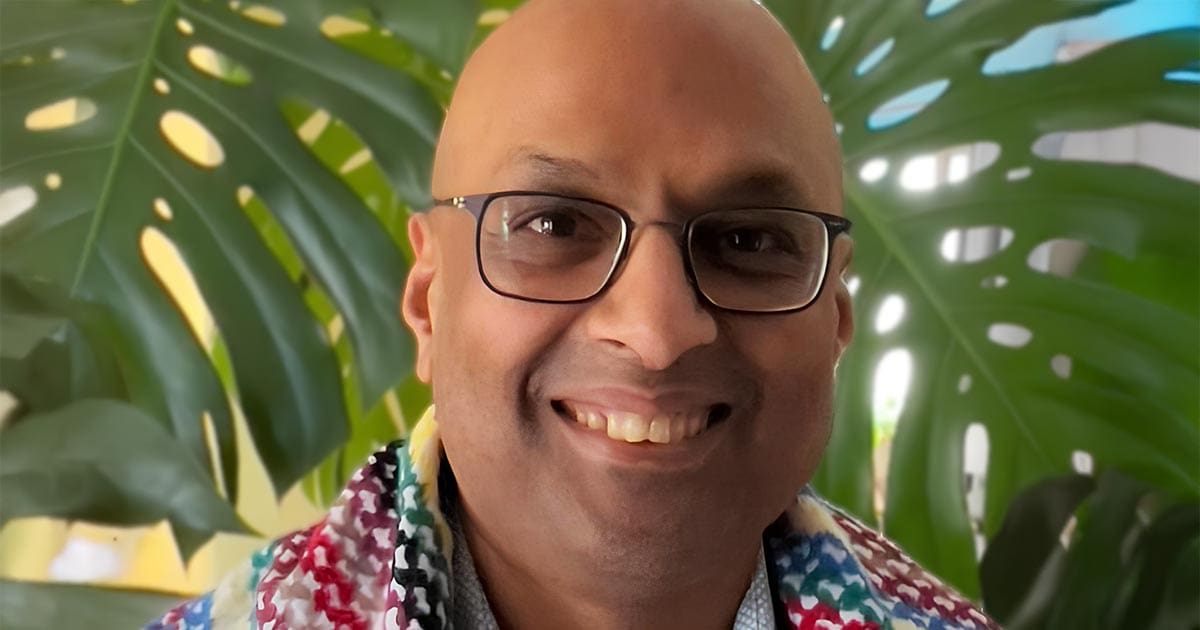
As Ramadan begins, Sikhander Coopoo reflects on the often-unspoken realities of living at the intersection of queerness and faith. In this personal piece, he explores belonging, exclusion, and the quiet courage of being both Muslim and queer.
I am sitting at a small desk that doubles as an office, a resting place, and a corner for meditation. Outside, life moves with its usual certainty. Inside, I am unsettled. Today, two friends told me how harshly they were treated in WhatsApp groups for sharing affirming views about queer people. They are not gay. Yet even their small gestures of solidarity were met with hostility.
Still, Ramadan has arrived, bringing with it a quiet determination. Each year during this month, I feel called not only to reflect inwardly but also to gently remind the world that people like me exist. Even in a country that celebrates constitutional equality, those of us who are both queer and Muslim are often expected to carry our realities softly. Without inconvenience. Without visibility.
I am Muslim. I am gay. I am whole.
Many people struggle to hold those truths together. If I say I am Muslim, some imagine I must be conservative and straight. If I say I am gay, others assume I have abandoned faith. My queerness and my devotion are not in opposition. They live together in my body and spirit.
Inclusion cannot end with race, gender, and class. Those matter deeply and shape life chances in powerful ways. But religion, sexuality, culture, and tradition also determine who is allowed to breathe freely. For a time, I believed this tension was the result of politics, rising conservatism, or religious rigidity. Now I think the truth is simpler and harder to accept. Many people just don’t care.
We speak confidently about intersectionality. We acknowledge structural inequality and design thoughtful inclusion plans. Yet when conversations turn to sexuality and faith, something shifts. Voices lower. Eyes drop. The topic becomes sensitive and complicated.
In many professional spaces, heterosexuality and Christianity function as quiet defaults. Office chatter assumes husbands, wives, and children. Holiday calendars revolve around Christmas. Casual remarks about what is normal or what makes a real man pass without question. No formal rule excludes me, yet culture does that work gently and persistently. Over time, you learn to edit your stories, adjust your pronouns, and soften your truth.
Ramadan brings all of this into sharper focus.
Each day before dawn, I wake to eat and pray. From sunrise to sunset, I do not eat or drink, not even water. This is not self-denial for its own sake. It is a spiritual discipline, a practice of turning toward the Divine with intention. In the evenings, I break my fast, pray again, reflect, and try to become more patient, more generous, more attentive to others.
As a queer Muslim, Ramadan can also be lonely. I have prayed in spaces where my full self would not be welcome if named aloud. I have broken my fast alone while others gather in mosques and homes. I live with the knowledge that some believe someone like me should not exist, let alone stand in prayer beside them.
This is the context I carry into Ramadan. This is why what I ask for matters.
From dawn to sunset, I am fasting. By late afternoon, my energy may dip and my concentration may not be perfect. That is not a lack of commitment. It is a natural biological response. When possible, a little flexibility in scheduling, especially toward the end of the day, shows care.
During the first days of fasting, headaches are common as the body adjusts. Small accommodations, even informal ones, communicate that my well-being matters.
Please respect prayer times, especially at sunset when I break my fast. I may need a few minutes to step away, pray, and return. We routinely make space for coffee and smoke breaks. Prayer deserves the same ease.
Sunset times shift throughout the month and vary by location. A quick check rather than an assumption makes a difference. Evenings in Ramadan are devoted to breaking the fast, extended prayers, and rest. When possible, avoid scheduling compulsory evening activities. If something cannot be moved, speak with me beforehand and treat my religious commitments seriously.
If I say I am fasting, please try to remember. Repeated offers of food or drink, though kindly meant, can become reminders that I am not being heard. A simple acknowledgement can feel far more supportive.
Small gestures matter. Learning to say Ramadan Mubarak or Ramadan Kareem. Asking how the month is going. Showing gentle curiosity about something sacred in my life. These acts help counter the quiet message that only some traditions are considered normal.
When Eid arrives, understand that it is a religious celebration. Plan for my absence as you would for any significant holiday. Do not make me plead for this right.
What I am asking for is not extravagant. These are everyday practices of care that move us closer to dignity. We already know it is wrong to ignore racism, sexism, and poverty. I am asking for that same moral clarity to be extended to those of us who live at the intersection of queerness and faith.
I am not a slogan or a debate. I am a human being who loves, prays, struggles, and hopes. This Ramadan, I ask for more than polite awareness. I ask for thoughtful action and for choices that create space for people like me to live fully and safely.
May this month soften hearts, widen understanding, and guide us toward a more just and gender healed world. Ramadan Mubarak.
Sikhander Coopoo is a human rights defender based in KuGompo, Eastern Cape. A Black, queer, Muslim intersectional feminist. He serves on the Gender and Sexuality Alliance Board and writes in his personal capacity, advocating for queer, feminist, and pro-poor African futures.