
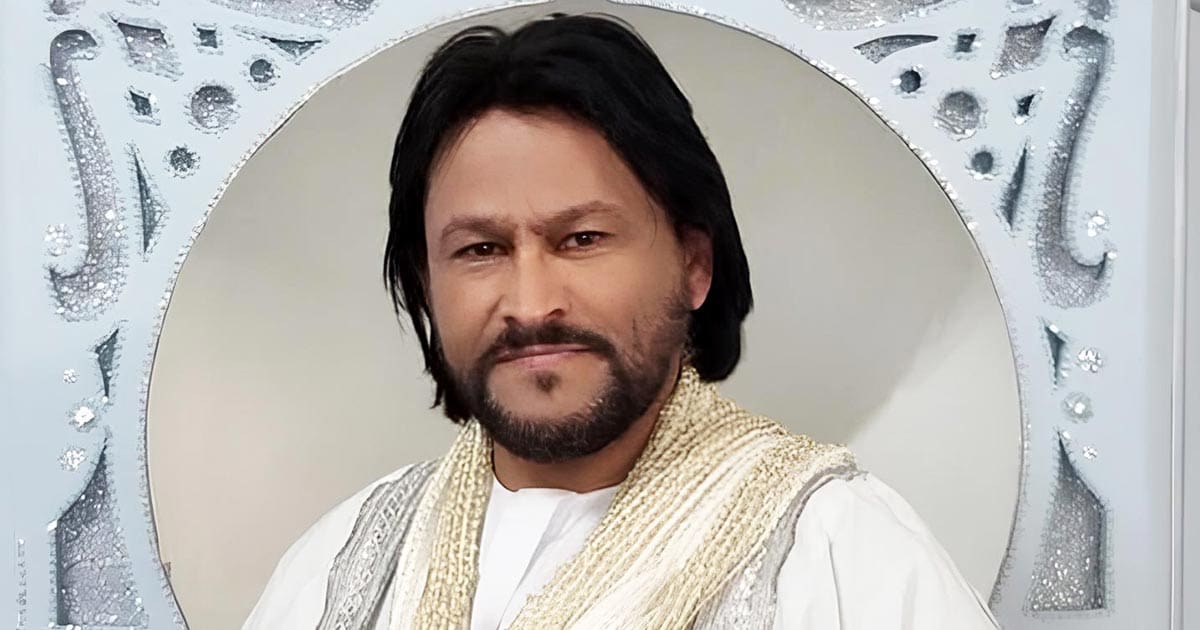
A year after his shocking assassination, the legacy of proudly gay Imam Muhsin Hendricks continues to shape conversations around Islam, inclusion and belonging in South Africa and beyond.
As the founder of the Al-Ghurbaah Foundation and earlier leader of The Inner Circle, Hendricks became known as a pioneering voice for queer Muslims seeking reconciliation between faith and identity.
Bringing Hearts Back to Islam
According to the Board of the Al-Ghurbaah Foundation, one of his greatest strengths was his ability to guide people back to Islam. “Many queer Muslims often leave the Islamic faith due to the many compounding challenges and oppression they face,” the Board said. Through his “compassionate and inclusive approach,” they have seen Muslims re-embracing and even converting to Islam.
Central to his message was equality. He taught that “all Muslims are equal in the eyes of God” and that “all humans are equally loved by God.” The Board says this approach helped many queer Muslims reconcile their sexual orientation with their faith and, in their words, “fall even more deeply in love with their Islamic faith.”
Before his work, many experienced Islam as “distant and lonely,” questioning whether they truly belonged. Hendricks sought to change that narrative. Through his khutbahs and teaching, he emphasised spiritual connection, compassion and justice.
He allowed women to lead prayers and deliver sermons, modelling an inclusive practice of Islam that left no one out “regardless of gender, race, sexual orientation, or disability.”
His work extended beyond the pulpit. He opened shelters, offered counselling, and provided food and safety to individuals rejected by their families and communities. His message that no one “owns” Allah helped many reclaim what the Board describes as their “spiritual home.”
“He Was My Guide in Life”
Friends say his impact was both public and deeply personal. Denzil Adams, who worked with him between 2016 and 2018, describes him as “such a trailblazer” with an “open and revolving door for anyone walking through it.”
Adams recalls how Hendricks supported his own activism journey, including writing letters that enabled him to attend international health and human rights conferences. “He was more than a pioneer… his teachings will live on forever,” Adams said.
Nazma Sheikh from the Netherlands remembers meeting him in Amsterdam and later praying Jummah with him in Cape Town. “He was not only my Imam but my guide in life… my big brother,” she said. “I miss his love and humour very much.”
These testimonies form a mosaic of mentorship, brotherhood, scholarship and spiritual care. He was a teacher, yes. But also, a confidant, advocate and companion on the path.
A Year of Continuing the Work
In the year following his murder in 2025, the Foundation has continued his work. The Board reveals that they have hosted regular thikr gatherings, Ramadan iftars, Eid celebrations and inclusive Jumuah prayers, personally inviting beneficiaries to ensure no one feels excluded.
Despite facing death threats and hostility, the organisation says it remains committed to the principles Hendricks championed: courage, radical love and spiritual resilience.
“The number one challenge our organisation has faced has been the death threats we received from members of the Muslim community in Cape Town. Seeing those violent and hateful comments was appalling, particularly because it pushed many queer Muslims further away from Islam,” the board said.
They continued: “Imam Muhsin often spoke about courage, radical love, and spiritual resilience, and these principles continue to guide everything we do.”
As the community remembers the anniversary of his passing, the Board hopes he will be remembered as someone who lived Islam with compassion and conviction, and who created spaces where faith and identity could coexist without fear.
“We want the public, especially younger generations, to remember him as someone who lived Islam with courage, compassion, and radical love. He showed that faith is not meant to exclude, shame, or oppress, but to uplift, protect, and empower every person, no matter who they are,” they said.