

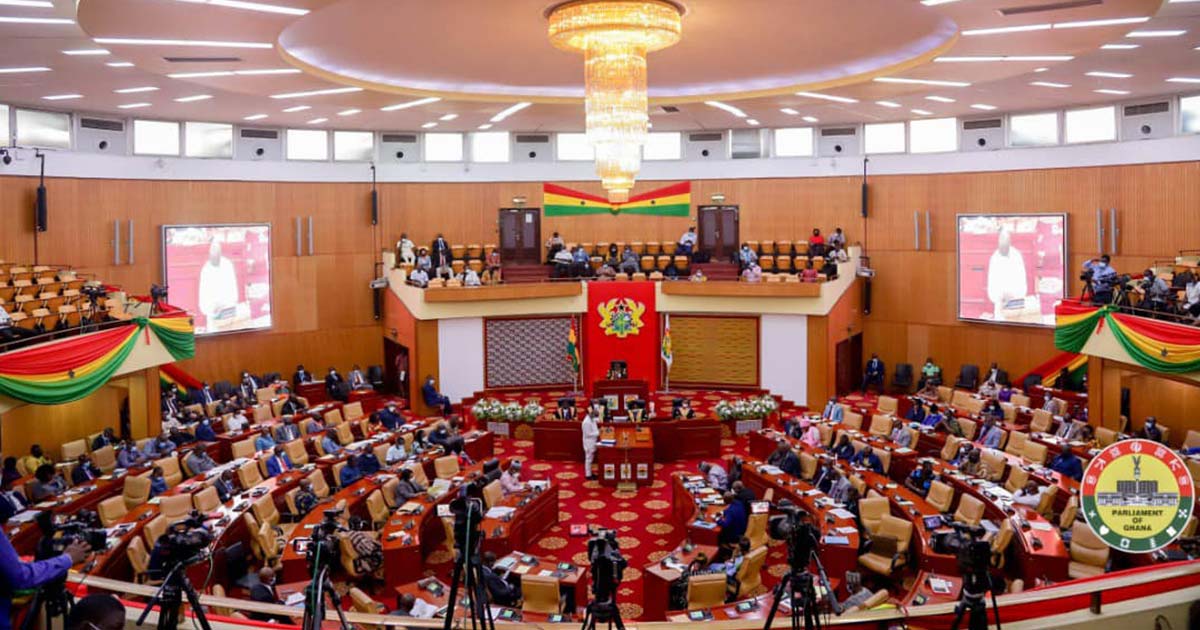
As lawmakers in Ghana push forward for the second time an extreme anti-LGBTQ+ bill that would criminalise people simply for their sexual orientation or gender identity, a regional interfaith organisation is urging parliament to reject the legislation and uphold human rights.
The proposed Human Sexual Rights and Family Values Bill would impose harsh penalties not only on LGBTQ+ people but also on anyone seen to support them. Under the legislation, individuals who identify as LGBTQ+ could face up to three years in prison, while activists, journalists, teachers, parents, and organisations that advocate for LGBTQ+ rights could also be prosecuted.
The bill was first passed by parliament in 2024 but ultimately expired without being signed into law. Ghanaian lawmakers have now reintroduced the legislation and resumed efforts to push it through parliament.
The renewed push for the bill also comes as Ghana prepares to host the controversial African Inter-Parliamentary Conference on Family and Sovereignty in Accra in May 2026, a gathering that critics say has links to global anti-LGBTQ+ advocacy groups.
Interfaith Network Speaks Out
In response to the reintroduced bill, the Interfaith Diversity Network of West Africa (IDNOWA) submitted a formal public memorandum to Ghana’s Parliament in response to its call for submissions on the proposed legislation.
“Our memorandum outlines constitutional, ethical, and spiritual concerns regarding the bill and urges Parliament to uphold the dignity and rights of all persons living in Ghana,” the organisation said in a statement.
IDNOWA emphasised that its position is grounded in both faith and principles of justice.
“As an interfaith organisation rooted in African traditions, Christianity, Islam, and human rights values, IDNOWA affirms that every human being is created with inherent worth,” the statement reads.
“No law should legitimise discrimination, violence, or exclusion against any group of people. Our submission reflects our commitment to justice, compassion, and the belief that all people stand equal before the Divine.”
Faith Should Not Be Used to Harm Others
The organisation cautioned against using religion to justify laws that could harm vulnerable communities.
“We recognise the diversity of religious and cultural beliefs in Ghana,” IDNOWA said. “However, we also affirm that faith must never be used as a weapon to shame, silence, or endanger others.”
According to the network, genuine family values should centre on care and dignity rather than punishment, asserting that, “True family values are grounded in love, responsibility, and the protection of human dignity.”
Call for Dialogue and Respect
IDNOWA concluded its statement by encouraging a more compassionate national conversation about the bill and its potential consequences.
“IDNOWA remains committed to constructive engagement, peaceful dialogue, and the promotion of a society where every person, regardless of identity can live without fear,” the organisation said.
“We encourage all stakeholders to approach this national conversation with empathy, respect, and a commitment to the constitutional principles that bind us together as one people.”
As debate around the bill continues, progressive faith-based voices like IDNOWA are highlighting that religious belief and human rights do not have to stand in opposition and that the protection of dignity and equality should remain central to Ghana’s democratic values.