


LGBTQ+ inclusion in business must go beyond visibility to open doors to funding, procurement and partnerships. That was the message at the 2026 PLUS Business Summit, held at Discovery in Sandton during Pride Month.
Held under the theme “Connect, Create and Close,” the summit brought together business leaders, entrepreneurs and corporate partners to explore how stronger networks and meaningful economic participation can help LGBTQ+ businesses thrive in South Africa.
Organised by the PLUS Business Network, the summit featured panel discussions, exhibitor showcases and speed-networking sessions designed to connect LGBTQ+ entrepreneurs with corporate buyers and potential business partners.
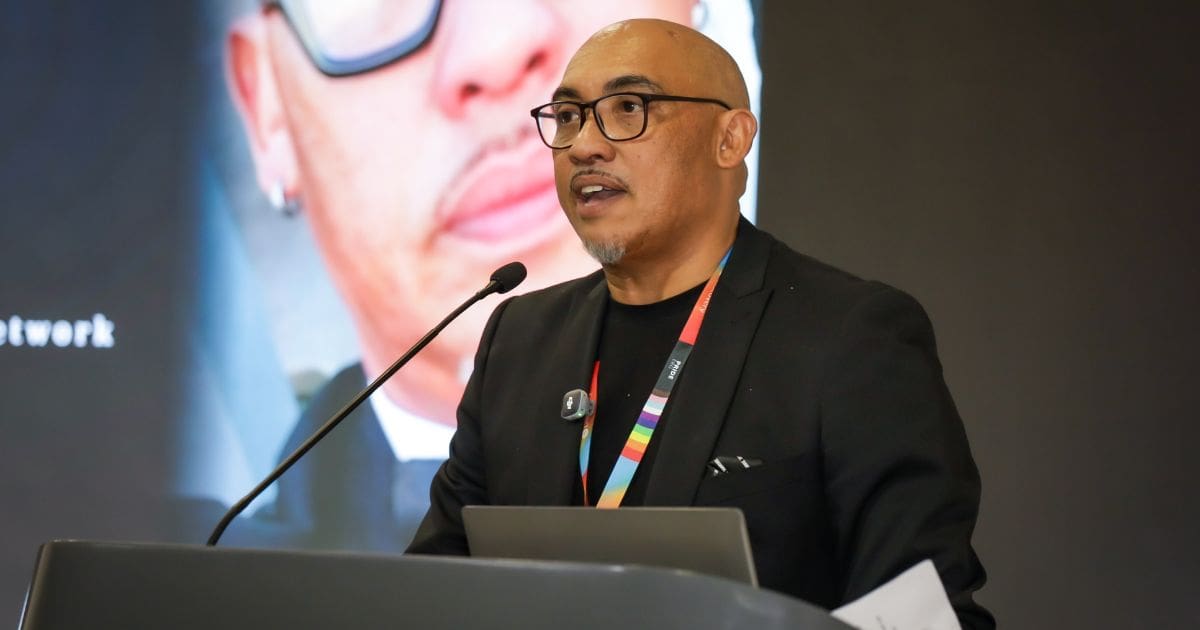
Dean Ebden, Executive Director of PLUS Business Network, said the theme reflected discussions among members about how to advance inclusion within businesses and the wider economy.
The network aims to connect businesses with research, data and market insights, build practical relationships, and help participants turn conversations into tangible outcomes, including supplier relationships, contracts and financing.
“At PLUS, we believe that the job of transformation, of making South Africa a society where everyone thrives cannot be complete without paying greater attention to the potential contribution of our community,” Ebden said.
He emphasised that LGBTQ+ people contribute to the economy not only as employees but also as entrepreneurs who create jobs and opportunities for others.
Inclusion must extend beyond the workplace
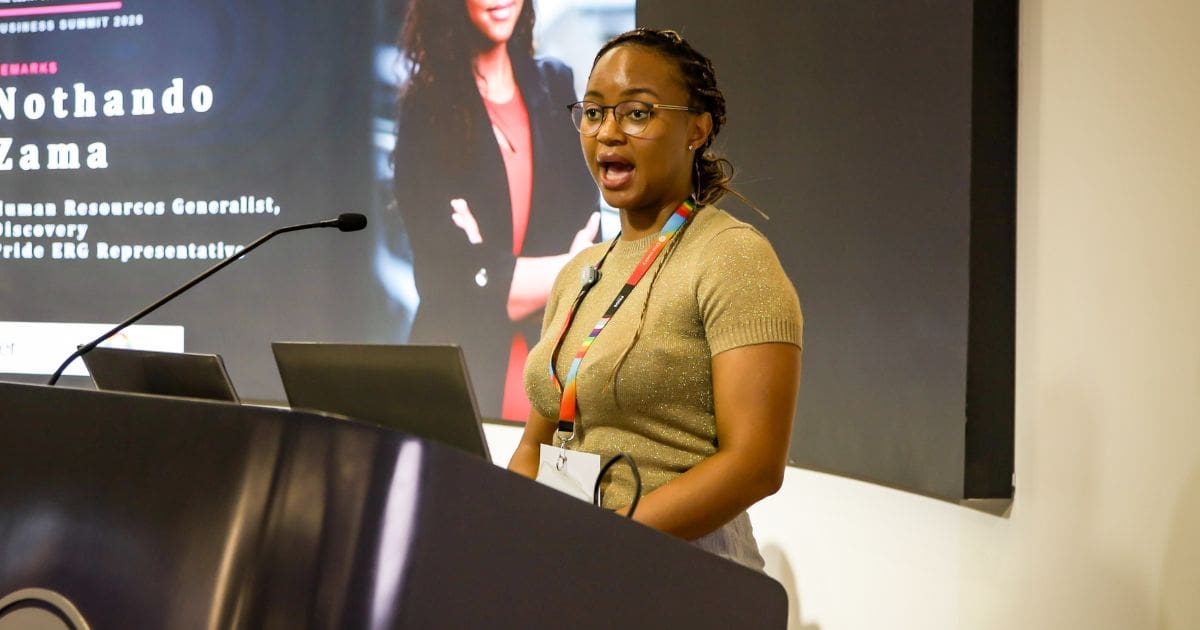
Nothando Zama, a Senior Human Resources Generalist and representative of Discovery’s Pride employee resource group, welcomed delegates on behalf of the organisation, highlighting the importance of creating an environment where innovation, accessible opportunities and inclusion support economic growth.
She said belonging must extend beyond the workplace into the broader economy.
“It means having a seat at the table, being considered for partnerships, contributing to supply chains, and having access to networks that help businesses grow,” Zama said.
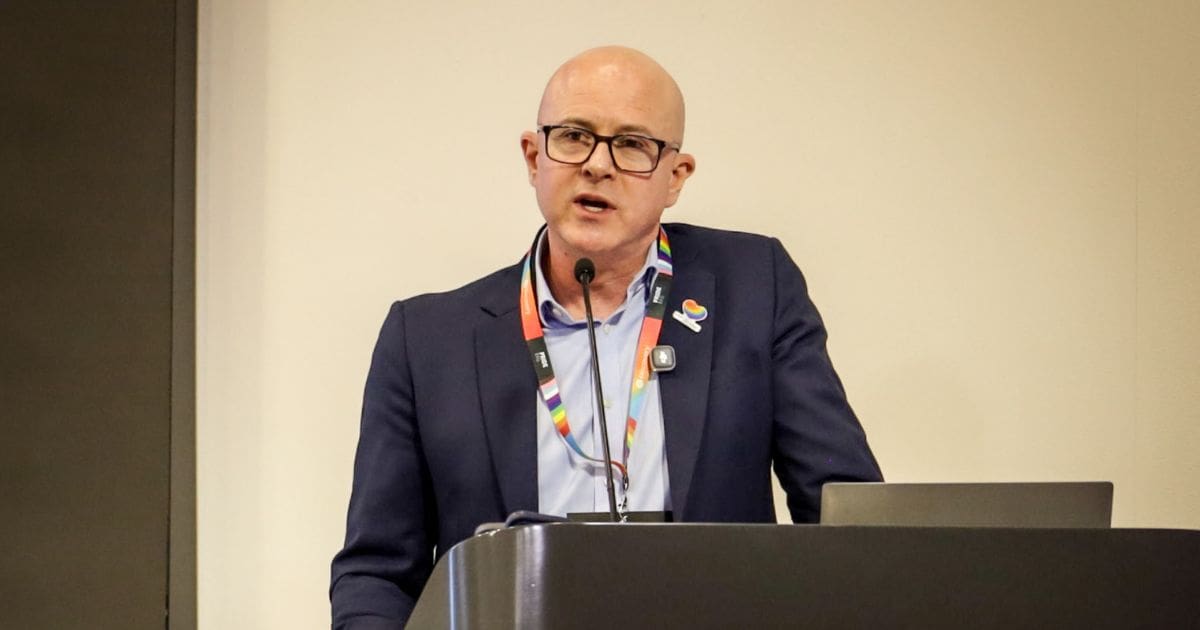
Mark Hearne, Head of Cash and Transaction Banking Lead and representative of Standard Chartered’s Pride employee resource group, echoed this message, saying inclusion must extend beyond an organisation’s employees to the businesses and communities with which it engages.
He identified access to procurement, networks, mentorship, business leaders and capital as significant challenges for emerging businesses.
For many small businesses, he argued, the obstacle is not necessarily a lack of capability but limited access to opportunities to compete and expand.
Hearne called on companies to make procurement processes fairer and more accessible, look beyond traditional networks when identifying suppliers, and recognise diversity as a business advantage that can strengthen innovation, resilience and competitiveness.
Corporate buyers urged to open doors
A key panel discussion, “The Corporate Perspective: How to Unlock and Access Corporate Opportunities,” explored enterprise and supplier development, inclusive supply chains and practical pathways to market access.
The discussion also examined how corporate inclusion, innovation and economic empowerment can be connected to create opportunities that extend beyond workplace policies and public commitments.
Adv. Vhudzisani Maringa, General Manager: Supply Chain Management, Governance, Compliance and Performance Management at Airports Company South Africa (ACSA), challenged businesses to view procurement as a tool for economic transformation rather than simply an administrative or compliance function.
Speaking about what he described as “procurement with purpose”, Maringa said every purchasing decision had the potential to create value beyond the immediate transaction.
“South Africa is not short of talent. It is not short of innovation. It is not short of entrepreneurial spirit,” she said. “The challenge we face is not talent. The challenge is access.”
He emphasised that procurement decisions influence who participates in the economy, grows businesses, creates jobs and contributes to national development.
Maringa also stressed the importance of partnerships between corporates, entrepreneurs, government and financial institutions, noting that no single sector could transform the economy alone.
Kristen Landsberg, Stakeholder Engagement Manager at the Tourism Transformation Council of South Africa (TTCSA), highlighted the importance of ensuring that local entrepreneurs, including those in rural and township communities, participate meaningfully in economic decisions.
She said businesses needed accessible procurement information, direct engagement with buyers and practical support to meet supplier requirements. Contracts should also be structured in ways that allow smaller enterprises to deliver sustainably.
Landsberg identified access to contracts, local procurement, timely payments and lasting economic benefits as important indicators of whether inclusion was translating into reality.
“Attendance tells us who was in the room. Influence tells us whose voice mattered. And contracts, income, and sustainable jobs tells us where inclusion became a reality,” she said.
Speed networking connects businesses with buyers
Beyond the panel discussions, the summit created practical opportunities for businesses to showcase their services and connect with potential clients.
Exhibitors presented their organisations and offerings, while 10-minute speed-networking sessions facilitated direct conversations between corporate buyers and exhibiting PLUS members.
Participating exhibitors included Discovery Group, Airports Company South Africa (ACSA), Tourism Transformation Council of South Africa (TTCSA), Dandozest, South African Supplier Diversity Council (SASDC), Afrika Tikkun, Proudly South African, Admore Digital, Kreme Beauty Lounge, Wellthy and Perfect Hair, South African Women Entrepreneurs’ Initiative (SAWEI), MambaOnline, State Diamond Trader, Haval and the National Empowerment Fund (NEF).
The format aimed to help entrepreneurs move beyond general networking towards identifying specific business needs, establishing relationships and exploring potential supplier opportunities.

Turning conversations into lasting economic opportunities
The summit also featured entrepreneurs sharing their experiences of building businesses. Among those highlighted in the programme were Taryn Gill, who was set to discuss developing profitable ventures from individual ideas; Kay Williams, founder and CEO of Kreme Beauty Lounge, whose business grew from a single store to 13 outlets across Gauteng and the Western Cape; and Connie Shandu, founder of Dandozest.
For PLUS Business Network, the challenge ahead is to ensure that connections made at the summit translate into lasting partnerships and measurable economic outcomes.
The message emerging from the discussions was clear: LGBTQ+ inclusion in business must mean more than representation or visibility. It requires fair access to markets, capital and procurement opportunities, alongside corporate commitments that translate into sustainable businesses, jobs and economic participation.