For Triangle Project, Cape Town’s oldest LGBTQIA+ organisation, the road to a new chapter has not been without difficulty. Behind the organisation’s relocation to Community House in Salt River lies a period of profound transition, restructuring and reflection on what it takes to sustain an LGBTQIA+ organisation committed to community care and social justice.
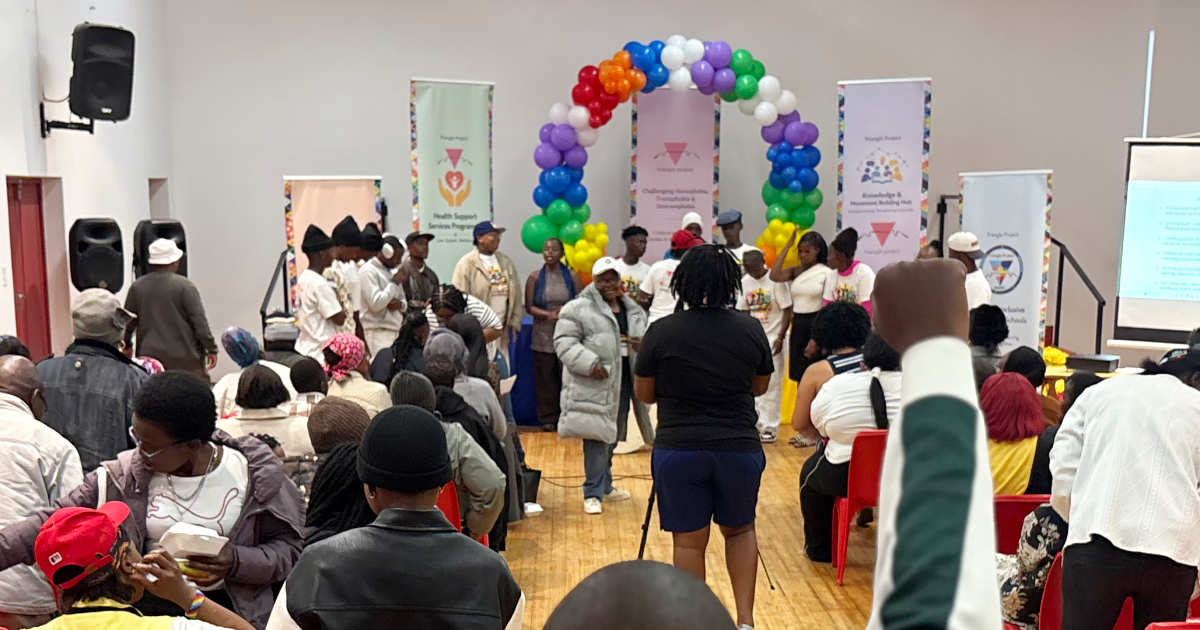
These challenges formed part of the backdrop to Triangle Project’s Annual General Meeting (AGM) on 17 October 2026, a gathering that brought together staff, board members, activists, community members, volunteers and partners to reflect on the organisation’s journey and its future.
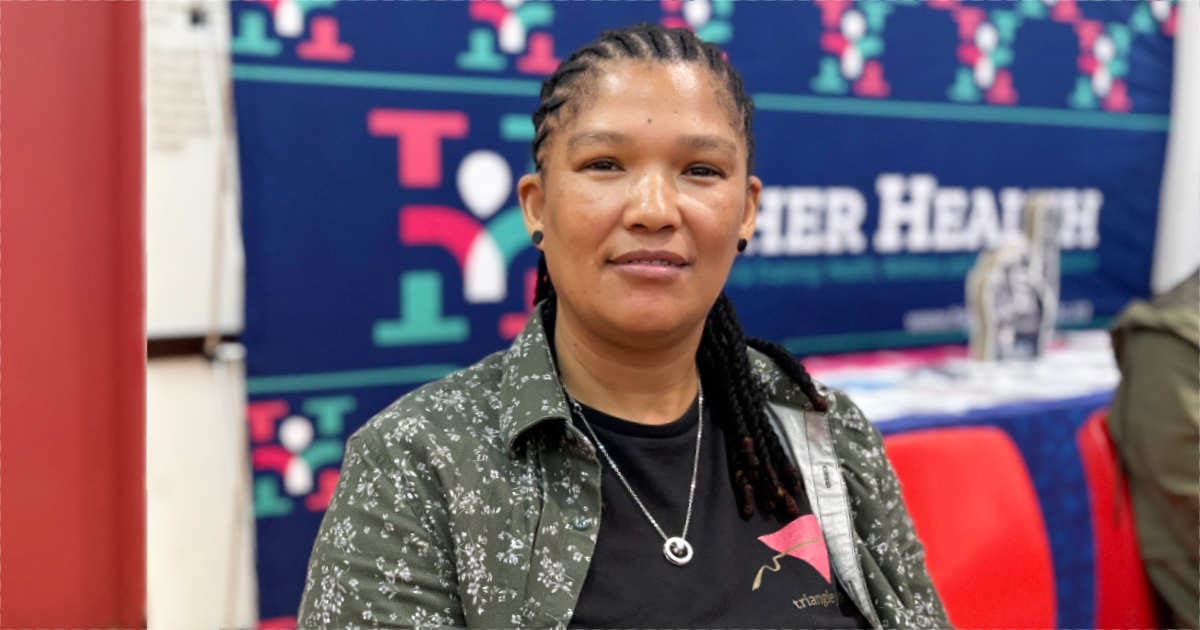
For Director Juliana Davids, the occasion was about more than reviewing reports and electing board members. It was an opportunity to recognise the people whose labour, care and commitment have sustained the organisation through a difficult period.
Like many civil society organisations working in social justice, Triangle Project has had to reconsider how it operates, responds to changing community needs and builds a sustainable model for its work.
Restructuring can bring difficult decisions and uncertainty, challenging not only organisational systems but also the people who carry the work forward.
Yet Davids’ reflections suggest that the organisation’s transition has also created room to reassess its purpose, strengthen relationships and consider how its work can remain responsive to the communities it serves.
The move to Community House represents an important part of this new chapter.
“There are buildings, and then there are places that hold history,” Davids writes.
Situated in Salt River, Community House has a longstanding association with South Africa’s history of trade unionism, anti-apartheid organising and collective action. It provided space for activists and organisations that challenged injustice long before the country’s democratic transition.
For Triangle Project, becoming part of this environment carries significance beyond a change of address. It places the organisation among others working towards equality, human dignity and social justice, offering opportunities for connection and collaboration.
Davids says the period of transition has also encouraged deeper reflection on what an LGBTQIA+ organisation should look like today, particularly in how it connects health, education, research, advocacy, community care and movement-building.
At the AGM, this reflection took a distinctly human form. Alongside the formal proceedings were moments of remembrance, laughter, food, singing and storytelling. The gathering acknowledged people who had contributed to Triangle Project but had since moved on, recognising that their influence remained part of the organisation’s story.
At a time when social justice organisations face pressure to achieve more with fewer resources, Davids draws hope from the willingness of community members to continue participating, sharing ideas and supporting one another.
“Our greatest resource is not what we have, but who we have,” she says.
The sentiment captures a central challenge for organisations such as Triangle Project: sustaining essential work requires more than programmes and premises. It also depends on relationships, institutional knowledge, trust and the collective commitment of people who believe in the cause.
As Triangle Project settles into Community House, its next chapter will be shaped by how it carries the lessons of restructuring into its future work. Its history, Davids suggests, is not the achievement of one organisation alone, but part of a wider movement built through solidarity and shared responsibility.
In a building shaped by generations of collective struggle, Triangle Project begins this chapter with a reminder that lasting change is rarely the work of one institution or one moment. It is built, often through difficult periods, by people who continue to show up for one another.
You can contact Triangle Project on 021 422 0255 or reach out to their helpline on 021 712 6699 (1pm – 9pm).