
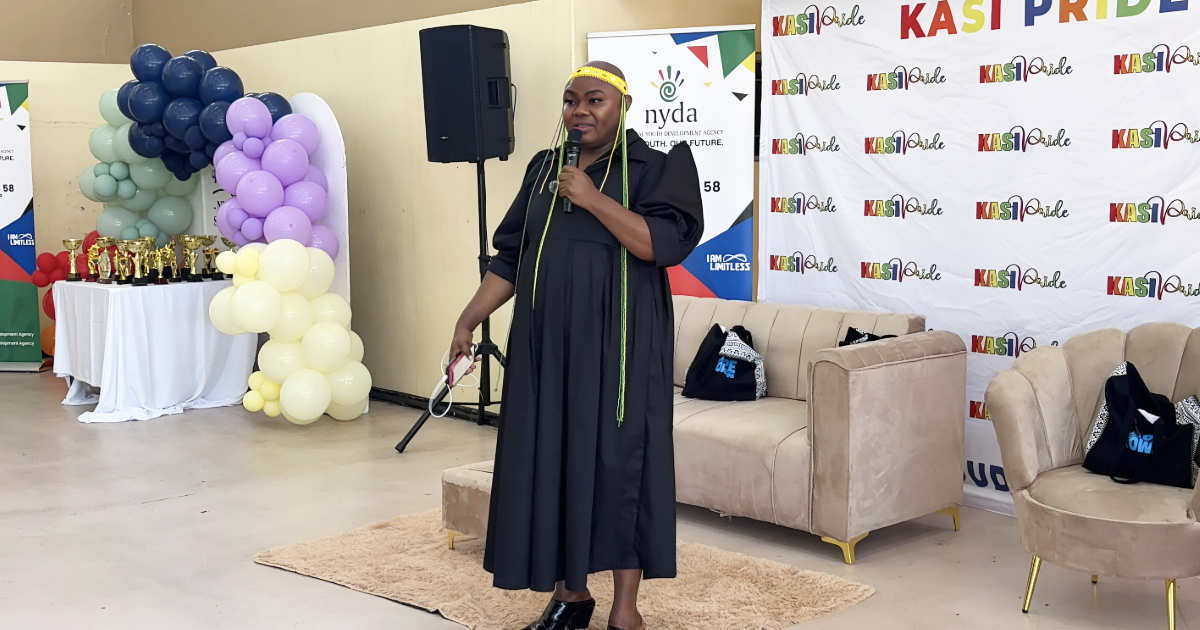
After 11 years of marches, celebrations, and demanding visibility, Kasi (“Township”) Pride is redefining its purpose—bringing LGBTQIA+ education, youth development, and practical services to the heart of Gugulethu, Cape Town.
“We survived 11 years and we came back home to Gugs to teach.”
For Luxolo Ndlovu, founder of Kasi Pride, the words capture a significant shift in the initiative’s journey.
On 24 October 2026, Kasi Pride marked its 11th anniversary by moving beyond celebration to host an LGBTIQ+ Dialogue at Ikhwezi Centre in NY2, Gugulethu, Cape Town. placing education, empowerment and access to services at the centre of its work.
“For 10 years Kasi Pride was about being visible, marching, celebrating. This year 2026 we became about education and power,” Ndlovu said.
The gathering brought community members, activists and stakeholders together to discuss the experiences, rights and aspirations of LGBTQIA+ people. It also created an opportunity for residents to engage directly with organisations providing services and support as part of their everyday work.
For Kasi Pride, returning to Gugulethu was significant. The initiative brought queer advocacy into the township itself, placing conversations about identity, acceptance and opportunity within the community it seeks to serve.
“We didn’t just party, we hosted an LGBTIQ+ dialogue at Ikhwezi Centre, NY2. In our own township. Where it matters most,” Ndlovu explained.
The message was clear: Pride must be more than an annual expression of visibility. It must also create opportunities for learning, access to resources and lasting community change.
From dialogue to practical support
A defining feature of the gathering was the presence of organisations offering information about their services and the support they provide in their day-to-day work.
Participating stakeholders included the National Youth Development Agency (NYDA), the Aurum Institute’s POP INN Programme, loveLife, TB HIV Care, UNISA, IAM Ministries, the Office of the Deputy Minister in the Presidency and the National Student Financial Aid Scheme (NSFAS).
Their physical presence gave attendees an opportunity to engage with organisations directly, learn about the services available to them and explore avenues for support.
This practical dimension added weight to the dialogue’s focus on inclusion and youth development. For LGBTQIA+ people, meaningful participation in society involves more than recognition of their identities; it also includes access to information, education, healthcare, financial assistance and opportunities to develop their futures.
By bringing these organisations into a community-based Pride gathering, Kasi Pride created a meeting point between queer residents and institutions whose services may be relevant to their everyday lives.
The gathering also placed youth development firmly on the agenda through Kasi Pride’s partnership with the NYDA National Youth Service, which hosted a Social Cohesion Dialogue and Opportunities Programme for the LGBTQIA+ community.
A partnership still taking shape
The collaboration included discussions around a proposed Memorandum of Understanding (MoU) intended to strengthen social cohesion, foster inclusion and formalise cooperation between Kasi Pride and the NYDA.
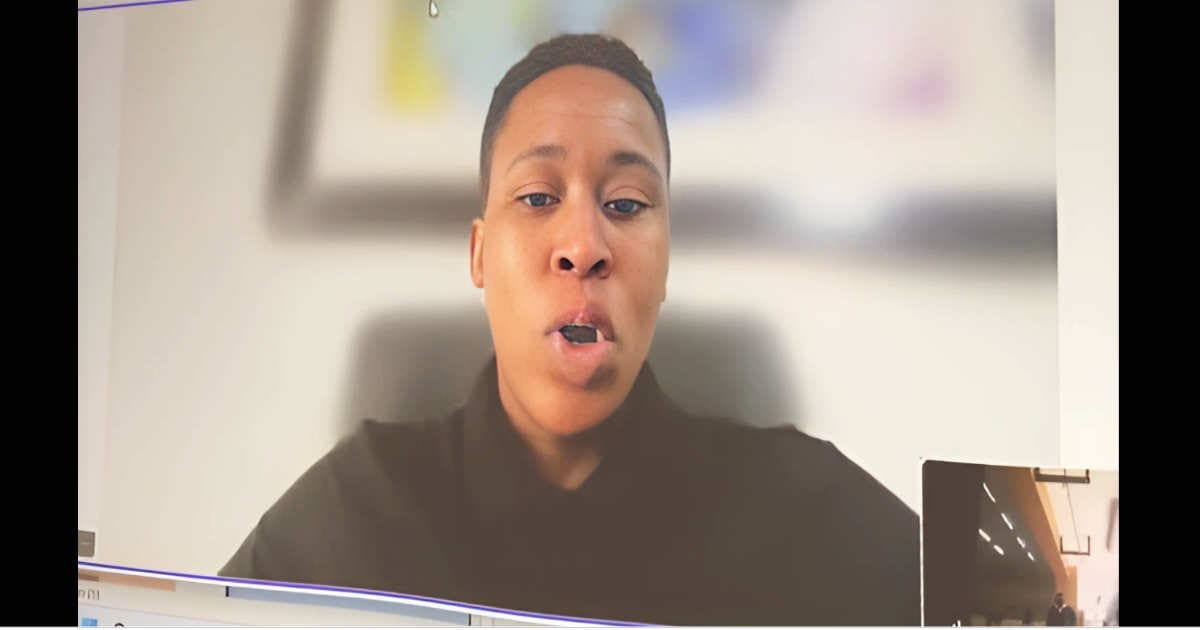
Mx Busisiwe Nxumalo, an openly LGBTQIA+ NYDA board member who contributed to the programme through a virtual presentation, shared insights towards building a more inclusive society. They also received a recognition award from Kasi Pride for their contribution to uplifting the LGBTQIA+ community.
In an update to MambaOnline, Nxumalo confirmed that the revised version of the MoU had been received from Kasi Pride and sent to the NYDA’s legal team for final approval.
The agreement has therefore not yet been finalised. Its significance will ultimately depend on the commitments it establishes and whether the partnership translates into practical opportunities for LGBTQIA+ youth.
Owning the knowledge
Education was another defining feature of Kasi Pride’s 2026 programme. The initiative introduced its own branded SOGI Universe poster, intended to help young people understand sexual orientation and gender identity.
By developing an educational resource under its own name, Kasi Pride sought to place knowledge within the community and encourage conversations that challenge misconceptions about LGBTQIA+ identities.
For young queer people growing up in environments where stigma and misinformation can affect their sense of belonging, accessible information and supportive spaces matter.
Kasi Pride’s approach challenges the idea that queer inclusion is simply about allowing LGBTQIA+ people to be visible. Visibility must also be accompanied by education, opportunity and meaningful participation.

More than an anniversary
For Ndlovu, the ultimate measure of Kasi Pride’s success is not the number of years it has survived.
“The most important thing is not the anniversary. It’s that after 11 years, Kasi Pride is no longer just an event; it’s an institution that protects and educates the next queer child in Gugulethu,” the founder said.
The next measure of success will be whether educational resources reach young people, whether partnerships create tangible opportunities and whether the organisations present continue engaging with the community beyond the event.