

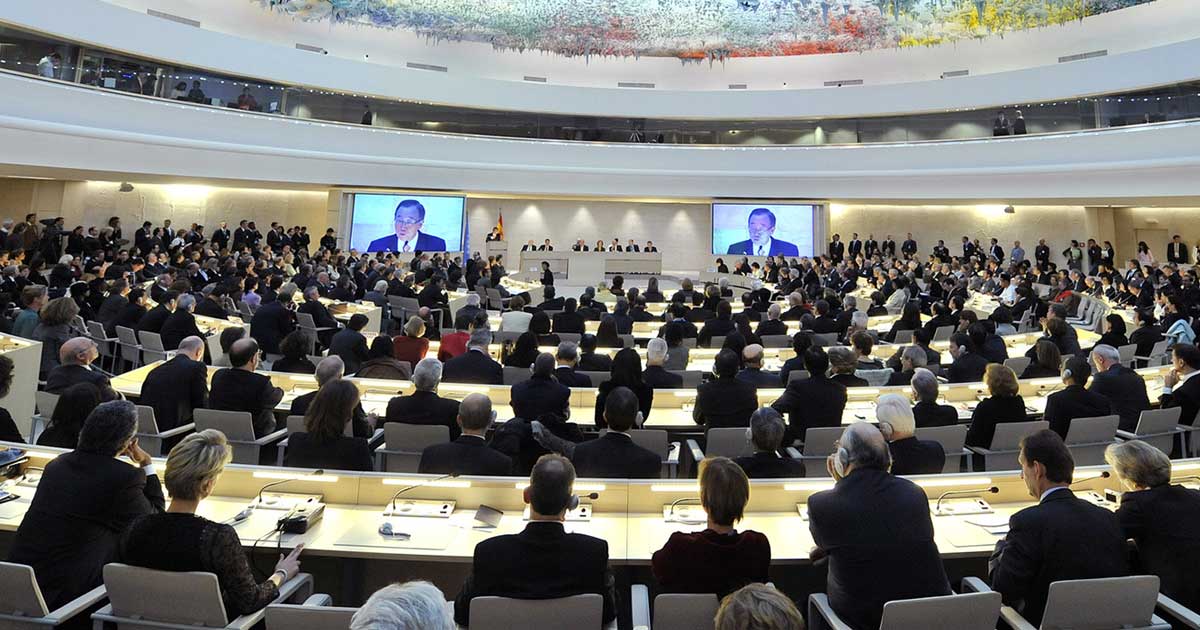
Hundreds of organisations from around the world have called on the United Nations Human Rights Council (UNHRC) to renew the mandate of the UN Independent Expert on Sexual Orientation and Gender Identity (SOGI).
The role, currently held by South African-born Graeme Reid, is renewed every three years. The UNHRC is expected to vote on the renewal next week in Geneva.
Established in 2016, the position of Independent Expert on SOGI has been key in raising global awareness about critical issues affecting LGBTIQ+ individuals. These include the criminalisation of same-sex relations, the lack of legal gender recognition, and the harm caused by so-called “conversion therapies”.
The vote comes as the world faces a renewed backlash against LGBTIQ+ rights, fuelled by a growing wave of right-wing political forces and religious groups spreading fear and misinformation.
Global Support for Renewal
More than 1,200 organisations from 167 countries and territories have signed a joint statement urging UNHRC member states to support the renewal of the mandate.
The signatories stated that “in every region of the world, widespread, grave, and systematic violence and discrimination based on sexual orientation and/or gender identity persist.”
They further highlighted that “over 64 countries still criminalise consensual same-sex sexual acts and more than 10 criminalise diverse gender expressions and identities.”
“A decision by Council Members to renew this mandate would send a clear message that violence and discrimination against people of diverse sexual orientations and/or gender identities cannot be tolerated,” the signatories asserted.
“It would reaffirm that specific, sustained, and systematic attention continues to be crucial to address these human rights violations and ensure that LGBT people are in fact free and equal in dignity and rights,” they added.
Opposition from Anti-LGBTIQ+ States
In 2022, the mandate was renewed by a vote of 23 countries in favour, 17 against, and 7 abstentions. South Africa was among the countries that co-sponsored the resolution at that time.
Some countries that historically opposed the mandate – including China, Indonesia, Malawi, Pakistan, Qatar and the United Arab Emirates – have argued that it aims to create “new rights” for LGBTIQ+ people and infringes on national sovereignty and cultural values.
This argument has been dismissed by Human Rights Watch. “The mandate does not seek to create new rights, as some states have claimed. Instead, it applies existing human rights standards to groups that continue to experience exclusion and abuse by private actors and governments,” wrote Nicola Paccamiccio, United Nations Advocacy Coordinator for Human Rights Watch.
He added, “Human Rights Council member states should reject efforts to undermine the independent expert’s mandate and unequivocally support this resolution, which reaffirms a core human rights principle that all governments are legally obligated to respect: Everyone has the right to live free from violence and discrimination. There are no exceptions.”