Op-Ed: World AIDS Day 2025 — A Perilous Moment for SA’s LGBTQ+ Community
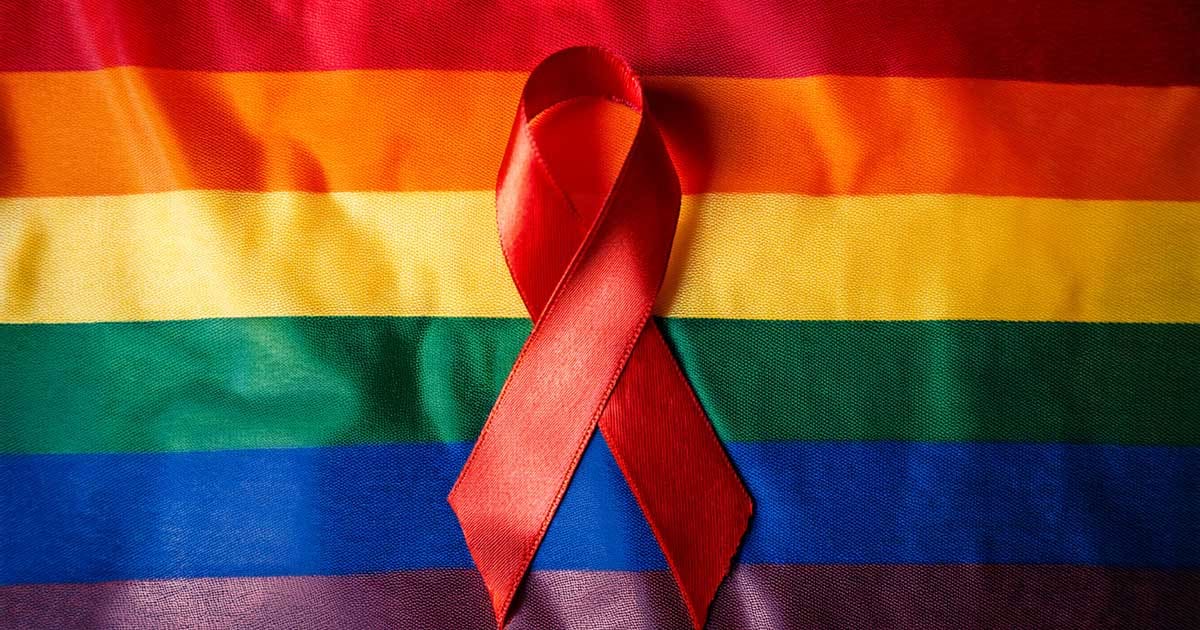
The year 2025 was a watershed moment in the fight against the AIDS epidemic in South Africa, particularly for LGBTQ+ people and other vulnerable groups such as sex workers.
At the start of the year, activists, scientists, and health experts had every reason to feel hopeful. The HIV infection rate had been declining, signalling that decades of sustained effort were finally making a measurable impact.
Healthcare workers were equipped with more innovative, diverse, and effective tools than ever before. Gone were the days when condoms and abstinence were the only options available to queer people seeking to avoid HIV infection.
Pre-exposure prophylaxis (PrEP) in the form of a daily pill had become widely accessible, offering almost 100% protection and distributed for free in many clinics. Meanwhile, a new long-acting injectable — administered only twice a year — was on the horizon.
For those living with HIV, antiretroviral (ARV) treatment was more effective, more accessible, and had fewer side effects than at any time in our history.
Although public clinics remained challenging for LGBTQ+ people due to ongoing stigma and discrimination, a network of organisations had stepped in to offer queer-affirming services across the country. Funded largely by the American government, these vital facilities allowed marginalised communities to feel respected, welcomed, and seen.
Years of research, commitment, funding, and innovation had laid the foundations for what the Human Sciences Research Council (HSRC) described in July 2024 as “turning the tide”.
A Turning Point — But in the Wrong Direction
But in January 2025, with one callous and inhumane stroke, the newly inaugurated American president, Donald Trump, sought to shatter that progress. With no warning and no time to prepare, organisations providing services to LGBTQ+ people were ordered to stop overnight, and their funding was abruptly suspended.
As uncertainty dragged on for weeks, many groups were forced to retrench thousands of staff, and thousands more LGBTQ+ people were left stranded without life-saving services, from HIV treatment and prevention to gender-affirming healthcare. Ultimately, many of these programmes and facilities closed permanently.
South Africa’s already-strained public health system was suddenly expected to absorb thousands of additional individuals. While government officials have tried to project confidence and downplay fears of a collapse in the HIV response, the reality on the ground tells a different story. It’s feared that many LGBTQ+ individuals who previously accessed specialised queer-affirming services have not transitioned into the public health system.
Clinics are struggling. Ritshidze’s State of Health Report for Gauteng, for example, revealed that the province’s clinics are stretched to breaking point, with 38% of facility managers blaming staff shortages on the sudden withdrawal of American-supported workers. Stigmatisation was widely reported, with 47% of trans people and 11% of GBMSM (gay, bisexual and other men who have sex with men) surveyed stating they had been denied services in the past year.
All this has raised real concerns of a potential spike in HIV infections, a reversal of decades of progress.
Glimmers of Hope — and the Work Ahead
Although health departments have been slow to engage, there have been some positive steps. The Gauteng Department of Health, for example, recently opened a new Wellness Centre in Johannesburg designed specifically to serve key populations, including LGBTQ+ communities and sex workers.
There is also hope in that public clinics will begin offering the twice-a-year HIV prevention injection in early 2026, with men who have sex with men (MSM) and transgender individuals expected to be among the first to qualify. This simple, twice-yearly injection could reduce queues, ease stigma, and significantly increase uptake compared with daily oral PrEP.
But we may need to accept a difficult truth: the era of substantial foreign-funded programmes tailored specifically for LGBTQ+ people in South Africa is likely over.
Government must now step in—fully, urgently, and strategically. It cannot hope that the system will absorb this crisis on its own. Time is not on anyone’s side.
This means ensuring that LGBTQ+ people are genuinely welcomed at public health facilities by decisively addressing discrimination, providing continuous sensitisation training to staff, and ruthlessly enforcing accountability.
It means engaging with and building trust directly with LGBTQ+ communities and investing in targeted campaigns and initiatives that promote health-seeking knowledge and behaviour among queer people.
It means understanding our needs and speaking to us in a language and with action that resonate and inspire confidence.
A Year of Reckoning — and Opportunity
Looking ahead, 2026 will also go down as another critical year in South Africa’s battle against HIV.
It will be remembered either as the year in which more LGBTQ+ people fell through the cracks and succumbed to the virus — undoing years of progress — or as the year in which the South African government took bold, decisive steps to ensure accessible, safe, and affirming healthcare for all.
What happens next may determine the future of a generation.
Leave a Reply