Deputy Minister Steve Letsike Honours Eudy Simelane in Powerful Memorial Lecture
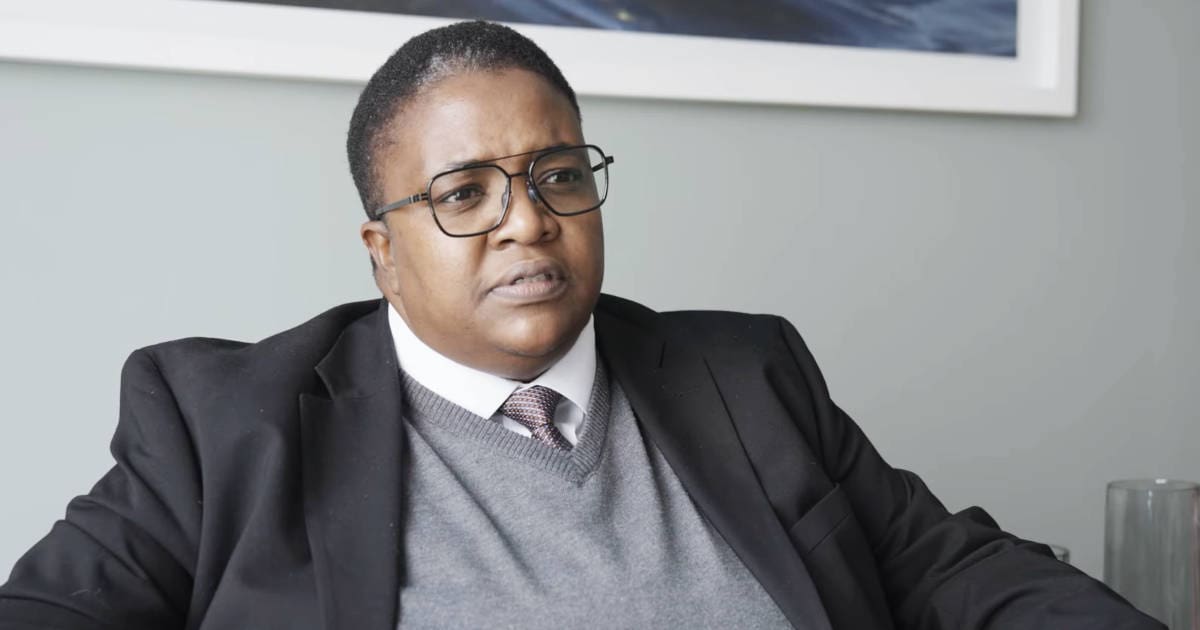
Deputy Minister Mmapaseka Steve Letsike delivered the 2025 Eudy Simelane Memorial Lecture. (Screenshot: Ujamaa Centre / YouTube)
The University of KwaZulu-Natal’s Ujamaa Centre has released the 2025 Eudy Simelane Memorial Lecture, delivered by Deputy Minister of Women, Youth and Persons with Disabilities, Mmapaseka Steve Letsike, during the 16 Days of Activism campaign.
More than seventeen years after the brutal murder of the out lesbian footballer, Letsike’s address, presented in a video, reflects on Simelane’s legacy while confronting the ongoing reality of hate crimes against queer people in South Africa.
Speaking with emotion and urgency, Letsike grounded her message in memory and accountability. She recalled being present in Kwa-Thema on the day Simelane’s body was found.
“Until when do we have to go and see a lifeless body of a queer person? That body is important, that life is important. It deserves to live,” said Letsike.
Who Was Eudy Simelane?
On 28 April 2008, 31-year-old Eudy Simelane was raped, assaulted and murdered in Kwa-Thema, east of Johannesburg, in one of South Africa’s most high-profile LGBTQ+ hate crimes. Simelane, nicknamed ‘Styles’, played as a midfielder for the national women’s team, Banyana Banyana, and was a community figure and activist.
In 2009, Themba Mvubu (24) received a life sentence for her murder, while two other accused were acquitted due to lack of evidence.
Simelane’s killing sparked national outrage, exposing the violence queer people face despite South Africa’s progressive constitution. The annual lecture honours her life and calls the country to do better.
Honouring Eudy and Acknowledging a Persistent Crisis
Letsike reflected on Simelane’s legacy, not just as a symbol of courage and possibility but also as a human being.
“She was a soccer player, she was a nation builder, she was a daughter to her family. She was a friend, she was a sister, she was a queer activist. And I think the people in South Africa and globally deserve to hear about who Eudy Simelane was, and deserve to know the truth to her life, [and] to the realities that many queer people still experience.”
Despite constitutional protections, Letsike stressed that queer South Africans continue to face homophobia, transphobia and gender-based violence. “For so many aching years, LGBTI people have been silenced. They have been pushed out in society, and this silence has wrought injustice, has costed lives,” she said.
Letsike also asserted that laws are not enough and must be rooted in a common understanding of our humanity: “Protection… goes beyond the legal framework. You protect them because they are human beings and their rights should not be violated.”
She argued that violence is deeply rooted in colonialism, patriarchy, religion and tradition, systems still used to justify discrimination today.
“The rot in society exists. It’s deep, and… you can’t change this overnight. It was protected legally, it was taught daily, using religion, using culture and tradition.”
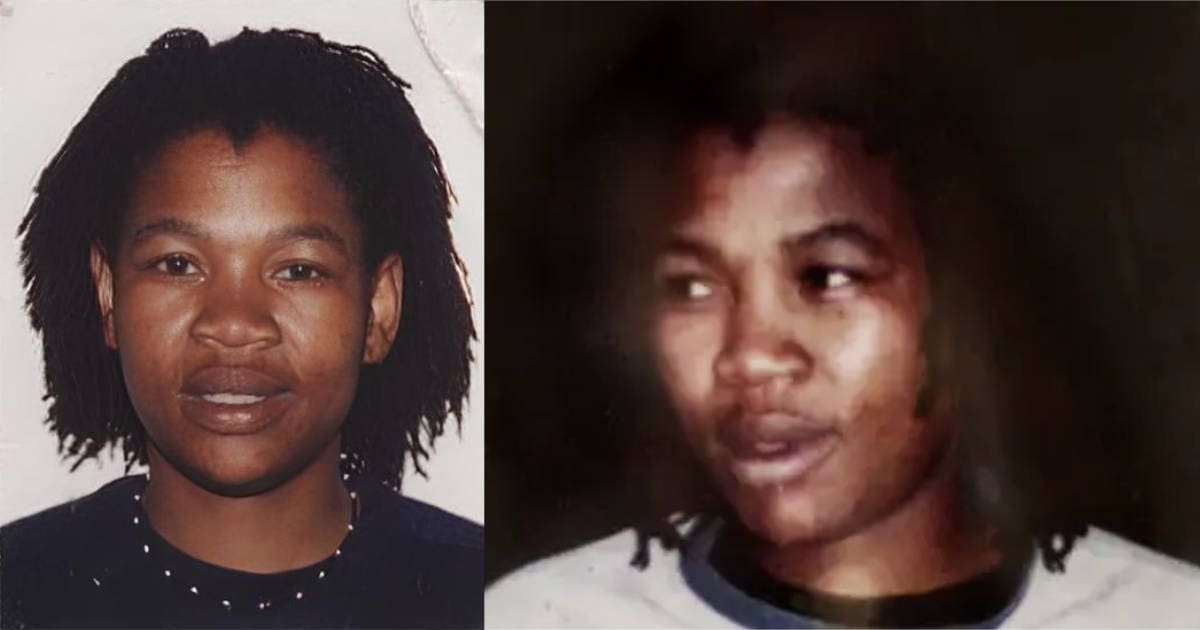
Not forgotten: South African footballer and activist Eudy Simelane was murdered in April 2008.
Faith, Culture and the Power to Harm or Heal
The Deputy Minister reflected on her own journey navigating churches that policed gender expression in their dress code.
“The first thing that I refused to do [as a child] was wearing a skirt. I just didn’t understand why. Why should we be subjected to a skirt or a dress? And I said, ‘it’s my heart that I’m bringing to church… So why does it matter for me to wear my pants…?’ Did it change my heart? It didn’t.”
She urged religious and traditional leaders to rethink their roles in perpetuating harm.
“The religious and the faith space have rejected queer people, not because of their hearts, but they’ve rejected [them] because of what they believed they represent, and which is often the standards that they’ve set to what women and men should look like – a heteronormative picture.”
She added that “Culture and religion mustn’t be weaponised to destroy people…”
A Call for Collective Responsibility
Letsike stressed that ending violence demands a whole-of-society response—government, communities, families, religious institutions, traditional leaders and especially men, who are most often the perpetrators.
“There must be urgency, because we’re losing lives,” she said, while also acknowledging that healing for survivors should not be forgotten.
“Even when you have survivors, their dignity is stripped off. As a survivor myself, it takes a lot to overcome this. What helps us to heal and what helps us to restore peace within self, because our minds are busy, our souls are disrupted, our bodies are sites of crime…”
Why Representation Matters
Letsike reflected on the impact of her presence in government as an openly queer leader:
“It matters to have a queer person who’s a template to young queer persons. It also matters to people my age who are queer and who can still see themselves. We do have older queer people who, many of them, also mentored me. It matters to see what they have also produced. It’s necessary to show up and be visible.”
Keeping Eudy’s Legacy Alive
Letsike said that the Eudy Simelane lecture was not just a platform to honour and remember Simelane but also to highlight that queer people are victims of gender-based violence.
“It is not just gender-based violence, or violence against women, that happens because of what you are wearing or because of how men view you, but it’s also because of your sexual orientation, your gender identity or expression that may put you at risk.”
Letsike’s message was clear: remembering is not enough. “Showcasing Eudy’s story was not just about Eudy. It was about LGBTI people and their families and the allies… we must continue talking until we stop violence.”
Leave a Reply