Queer 101: What It Means to Be Pansexual
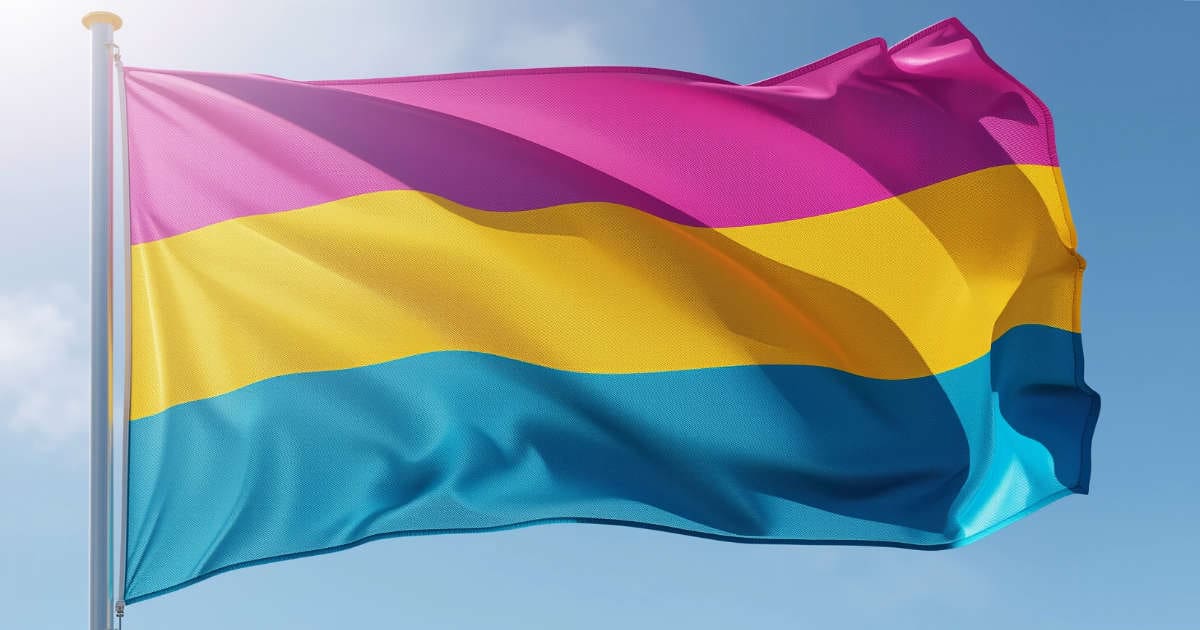
The Pansexual Pride flag, created by Jasper V, has been in use since the early 2010s.
Sexual orientation is wonderfully diverse, and one identity that has grown increasingly visible in recent years is pansexuality.
While the term itself is not new, its mainstream understanding developed more prominently during the 1990s and 2000s, alongside shifting views on gender, fluidity, and identity.
Today, it stands proudly alongside identities such as homosexuality, bisexuality, asexuality and many others within the LGBTQIA+ umbrella.
So, what does pansexual mean?
The word pansexual comes from the Greek prefix pan– meaning all. In simple terms, a pansexual person has the capacity for emotional and/or sexual attraction to people of any gender — men, women, non-binary people, transgender people, intersex people, agender people and more.
Some pansexual people describe themselves as gender-blind or omnisexual, meaning that gender plays little or no role in who they are drawn to.
Put another way: Pansexuality is attraction to people, not genders.
Pansexuality vs Bisexuality — what’s the difference?
Pansexuality and bisexuality overlap in many ways. Both may involve attraction to more than one gender, and many people use the identity that feels most authentic to them.
However, the key difference lies in scope:
Bisexuality
- Attraction to more than one gender.
- May or may not include attraction to all gender identities.
Pansexuality
- Attraction to people of all genders.
- Intentionally inclusive of all gender identities.
Neither identity is “more valid” or “more progressive” than the other — they are simply different ways people experience attraction.
Myth-busting: Pansexuality is not “attraction to everyone”
A common misconception is that being pansexual means being attracted to everyone. Not true. Just as not all straight men are attracted to every woman they meet, pansexual people are not attracted to every person they encounter. Pansexuality isn’t about having no preference — it’s about not limiting attraction based on gender.
Pansexuality also does not imply hypersexuality, polyamory or an inability to commit. Pansexual people can be monogamous, committed, romantic, casual — just like anyone else.
Finding out if pansexuality feels like you
If you’re exploring your identity, some questions might help:
- Do you find yourself attracted to people regardless of their gender?
- Is there no gender that you would never be attracted to?
- Does the idea of attraction to any gender feel natural or familiar to you?
Sexuality can be fluid, and it’s okay if the answer isn’t immediate. You are allowed to explore, question, and evolve.
Visibility and pride
Pansexuality has gained more public recognition over the past decade — especially when celebrities like Janelle Monáe, Cara Delevingne, Miley Cyrus and Brendon Urie shared their identities openly. Monáe’s 2018 coming-out moment famously caused Google searches for pansexual to spike, even earning the term a place among Merriam-Webster’s Words of the Year.
Pansexual identity is celebrated annually on:
- 24 May — Pansexual Visibility Day
- 8 December — Pansexual Pride Day
Pansexuality reminds us that attraction can transcend societal boxes and binary ideas of gender. It’s about connection, openness and recognising that love and desire look different for everyone. And as we continue to expand our language and understanding of sexuality, pansexuality stands as a joyful reminder that identity can be expansive, fluid and beautifully queer.
Leave a Reply