If I say, “we’re going to a ball tonight”, and the image that comes to mind is less Bridgerton and more Pose, this article is for you.
Whether it’s popstars like Beyoncé, Ariana Grande and Sabrina Carpenter incorporating drag and voguing into their performances, hit shows like Pose, Legendary or Rupaul’s Drag Race, or scrolling past dazzling video recaps of Legacy Ball in Cape Town – if you are a queer person (or ally), you have probably come across the ballroom scene in one form or another.
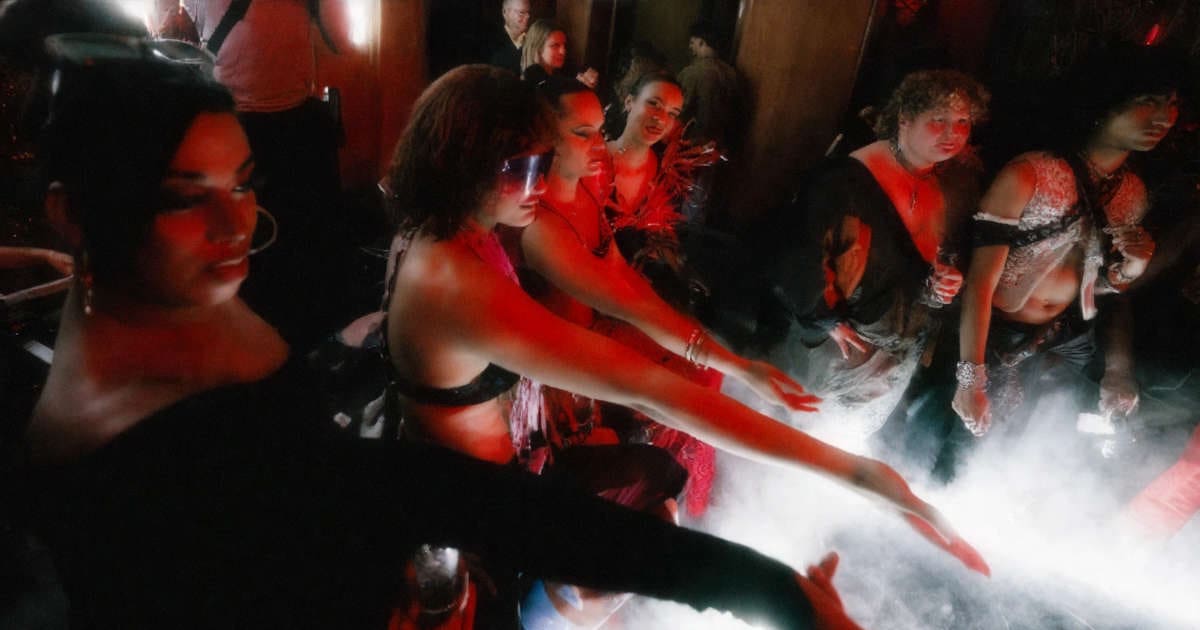
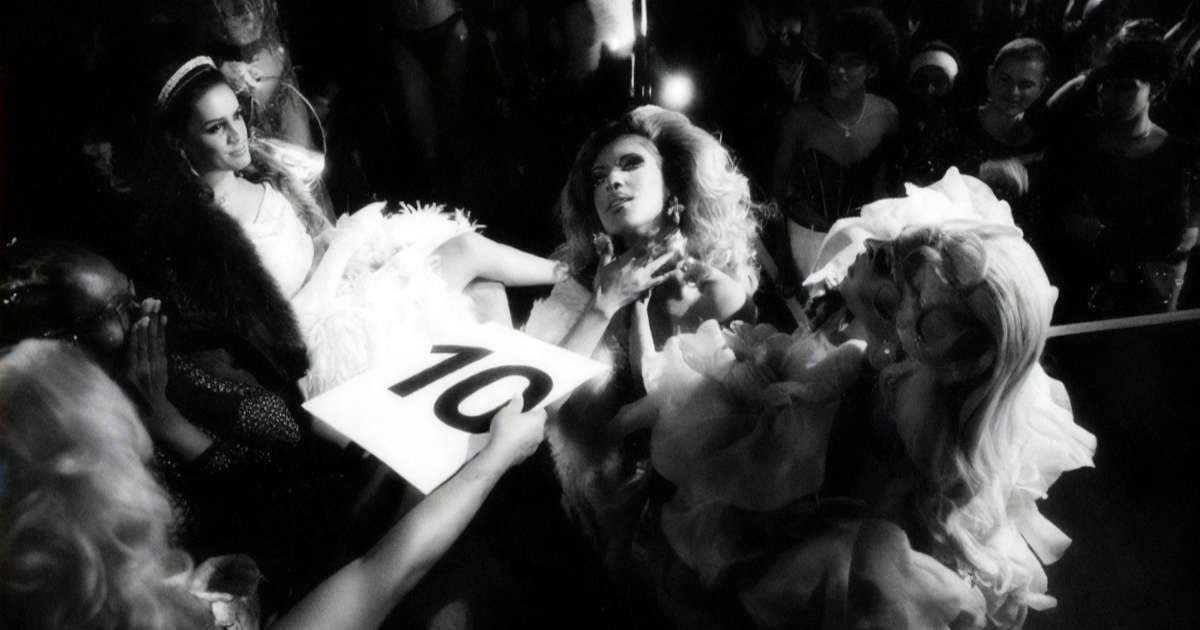
But what exactly is a ball? A ball is a queer competitive performance where contestants walk in various categories to showcase their fashion, makeup artistry, attitude (“fierceness”), or dance skills. Balls merge the competition and refinement of drag pageants with the movement, spontaneity and high-energy of queer clubs.
Ballroom is not simply a calendar of nightlife events, it is a culture with a rich history of resistance in the name of racial justice and queer liberation. Let’s break down how ballroom as we know it, came to be and how Cape Town’s ballroom scene is pushing boundaries here in South Africa.
Breaking Barriers and Building Foundations: The Royal House of LaBeija
Ballroom culture as we understand it today begins in the late 1960s and early 1970s in Harlem, New York.
As the United States’ Gay Liberation Movement gained momentum, so did the popularisation of drag queen pageants – competitions styled after pageants like Miss America for queer men and trans women to compete in feminine drag.
These pageants, while providing a stage for gender non-conforming expression, were deeply racially segregated. Black and Latin drag queens rarely won big titles and skin whitening was a common practice.
Crystal LaBeija, a black trans woman who had been competing in the drag pageant circuit for several years, entered the 1967 Miss All-America Camp Beauty Contest where she placed as the third runner-up.
Crystal looked at her fellow contestants and the winner, Rachel Harlow, and it was evident they had been favoured because they were white. Crystal, tired of being overlooked, stormed off stage in an iconic moment that was captured in the 1968 documentary, The Queen.
Crystal LaBeija storms off stage in an iconic moment from The Queen (1968).
Crystal’s friend Lottie convinced her to start her own pageant, a space where black and Latin queer people would be celebrated rather than sidelined.
In 1972, Crystal and Lottie hosted the first Annual House of LaBeija Ball at the Upstairs at the Downstairs nightclub in Harlem, the first event ever held by the pioneering House of LaBeija.
In the years that followed, more ballroom houses like the House of Dupree, Corey, Pendavis and La Wong emerged, hosting their own balls.
From Harlem to District Six: Kewpie’s Salon and ‘Moffie Concerts’

Some may look at the emerging ballroom scene in Cape Town and think it is something that is imported from the United States. It is important to credit the pioneers of Harlem’s ballroom scene for many of the conventions used in Cape Town’s ballroom scene today, but local queer heroes created stages for gender non-conforming self expression in the face of the apartheid regime and their stories are equally a part of Cape Town’s ballroom history.
Born in 1942, Kewpie was a genderfluid individual who used she/her pronouns and was a key figure of District Six’s queer nightlife. She was a hairdresser who hosted and performed in drag pageants, fancy dress balls and ‘moffie concerts’ with her drag persona Capucine.
The apartheid regime suppressed the queer spaces Kewpie and many others had worked to build. Cross-dressing laws meant that venues could not legally host drag pageants and performances.
When the apartheid government began forced removals and demolitions of District Six in 1968, Kewpie’s family relocated to Bellville, but she refused to leave until the majority of District Six had been demolished.
Kewpie continued to serve her beloved community of District Six and lived an unapologetically queer life until her passing in 2012. Her life’s work is honoured today through Salon Kewpie: The Legacy Project, a collaboration between GALA Queer Archive and District Six Museum that hosts many initiatives, including an annual ball.
A New Era: The Pioneering House of Le Cap, Legacy Ball and the Kiki Scene
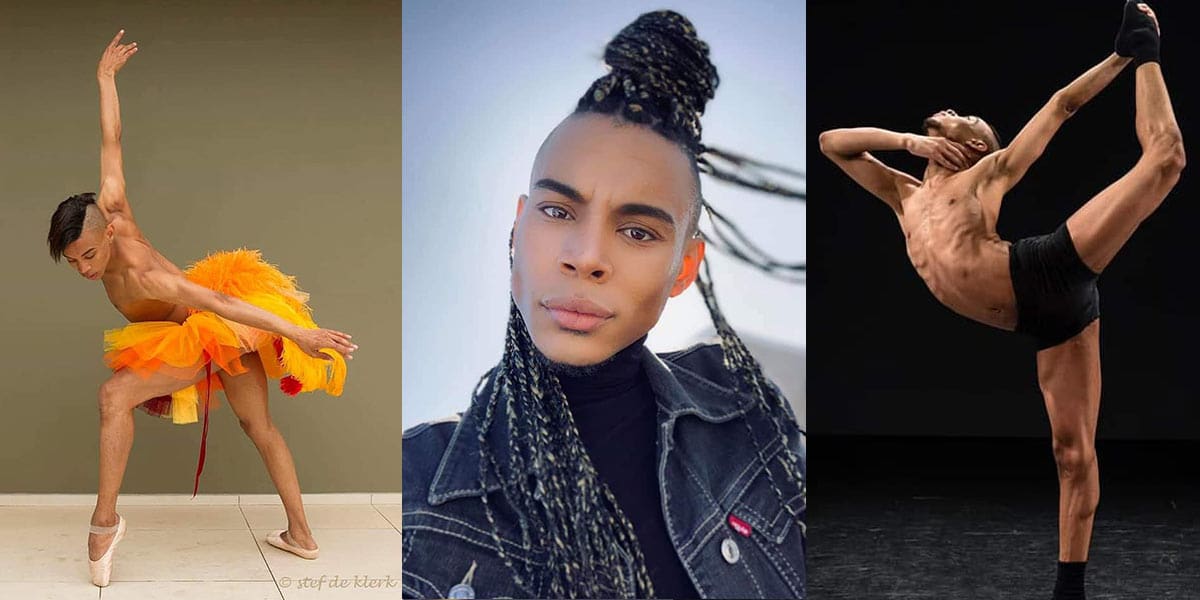
South Africa’s first ballroom house, the House of Le Cap, was founded in 2017 by Kirvan Fortuin. Born in the small town of Macassar, Kirvan was a highly accomplished dancer and choreographer, choreographing works for Cape Town City Ballet, Dance Umbrella Johannesburg, Vrystaat Kunstefees, Artscape Theatre Centre, Suidoosterfees, Afrovibes NL & SA and the Afrikaanse Kultuurfees among many others.
Kirvan was also a LGBTQ+ rights activist dedicated to creating spaces where societal norms could be challenged. Kirvan hosted South Africa’s first vogue ball in 2017 on World AIDS Day and founded the pioneering House of Le Cap.
Kirvan’s life was cut short, on the 13th of June 2020 they were fatally stabbed in a suspected hate crime.
Trailer for Yazeed Kamaldien’s documentary A Home Called Vogue – a film about the emergence of Cape Town ballroom and the life of Kirvan Le Cap.
The Cape Town ballroom scene continues to honour Kirvan’s legacy. In 2022, The House of Le Cap began Legacy Ball, and has only expanded since its establishment in 2017. Many more ballroom houses have emerged in Cape Town with 2025 being a big year for the establishment of Cape Town’s kiki scene – a branch of ballroom culture aimed at younger competitors and beginners.
The ballroom scene has a rich history that reflects both local and international struggle for racial justice and queer liberation. Keep an eye on Cape Town’s ballroom scene and prepare to be wowed.