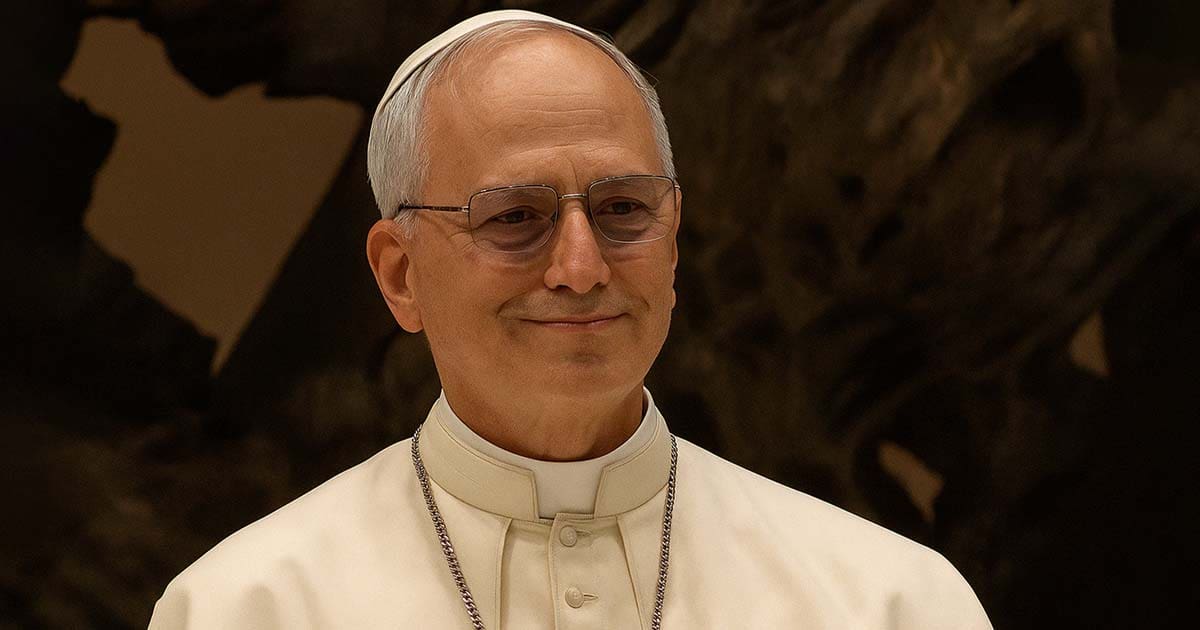
A newly released Vatican report on “Emerging Doctrinal, Pastoral, and Ethical Issues” has sparked cautious optimism among LGBTQ+ Catholics and advocacy groups after it adopted a noticeably more open and listening-based approach to queer issues within the Catholic Church.
The report, produced by the Vatican’s Synod on Synodality study group, surprised many observers with its emphasis on dialogue, lived experience, and pastoral care rather than rigid doctrinal enforcement. It also included something new: personal testimonies from two LGBTQ+ Catholics reflecting on their faith journeys, relationships, and commitment to the church.
LGBTQ+ Voices Included for the First Time
The testimonies, one believed to have been written by openly gay American theologian Jason Steidl-Jack, marked a significant moment in the Synod process.
Francis DeBernardo, Executive Director of the LGBTQ+ Catholic group New Ways Ministry, described the report as “a breath of refreshing air” and said it was an indication that LGBTQ+ concerns had been taken seriously during the church’s global consultation process.
“Perhaps even more important than the document’s analyses and recommendations is the fact that the report appended two synod testimonies of LGBTQ+ people,” said DeBernardo. “These contributions mark the first time during the synodal process that LGBTQ+ people were given the opportunity to speak for themselves and not through allies or advocates.”
He noted that no openly LGBTQ+ people were selected as delegates to the Synod assemblies held in 2023 and 2024, leaving many queer Catholics feeling excluded.
“This document reverses that impression,” DeBernardo added.
What the LGBTQ+ Testimonies Say
The testimonies included in the Vatican’s Synod report offer deeply personal accounts from two gay Catholics — one from Portugal and one from the United States — who describe their journeys towards self-acceptance, faith, and finding love within the context of a church that has often made them feel isolated or excluded.
Both testimonies reject the idea that homosexuality is sinful or disordered, instead describing same-sex love and relationships as part of God’s creation and a source of spiritual growth, healing, and service to others. The Portuguese contributor speaks movingly about growing up in secrecy and loneliness before finding “peace with God” through a long-term relationship with his husband, while the American theologian writes: “My sexuality isn’t a perversion, disorder, or cross; it’s a gift from God.”
Both testimonies also reflect on the harm caused by stigma, silence, and so-called “conversion therapy” within Christian spaces. The Portuguese testimony describes witnessing the “devastating effects” of conversion practices and the breaking apart of families, while the American contributor recalls attending the Catholic Courage ministry and working with a conversion therapist, experiences he said left him feeling lonely, hopeless, and spiritually fractured.
At the same time, both writers emphasise the transformative role played by affirming Christian communities, priests, and ministries that welcomed them fully as LGBTQ people. They describe these spaces as places of healing, belonging, and spiritual integration, where LGBTQ Catholics could openly serve in ministry, worship with their partners, and build authentic lives of faith.
The testimonies repeatedly stress that LGBTQ Catholics do not want to exist on the margins of the church but wish to participate fully in its life. Both contributors argue that the church must move beyond mere tolerance towards genuine acceptance, dialogue, and recognition of LGBTQ people’s dignity and lived experiences. Themes of wholeness, honesty, inclusion, and love run throughout the accounts, with both writers expressing hope that the Catholic Church can become a more compassionate and welcoming home for queer believers.
A Shift Towards Dialogue and Listening
The report proposes that the Catholic Church approach contentious issues, including LGBTQ+ topics, through what it calls a “paradigm shift” from an authoritarian model towards one grounded in listening, dialogue, and pastoral engagement.
It recommends greater respect for lived experience and for expertise outside the church, while encouraging an approach focused on the common good rather than simply enforcing doctrine.
“[The] report offers a pathway for the church to continue the listening process that the synod began,” said DeBernardo. “Moreover, it shows that listening cannot just be a passive experience, but instead an intentional posture of openness to be changed through the process of conversation.”
Questions Remain About Real Change
LGBTQ+ Catholic organisation DignityUSA also welcomed the report’s tone while warning that it leaves many practical questions unanswered.
“This document demonstrates a welcome humility and openness to learning from the People of God about their lives and faith journeys,” said Marianne Duddy-Burke, Executive Director of DignityUSA.
At the same time, she pointed out that the report proposes no actual doctrinal reforms and offers few concrete recommendations beyond further dialogue and reflection.
“The ‘paradigm shift’ repeatedly called for in this report is a significant and very welcome change,” Duddy-Burke said. “Experience must inform dogma.”
Conversion Therapy Confusion
Some media reports claimed that the Vatican document condemned so-called “conversion therapy”, widely discredited and harmful practices aimed at changing a person’s sexual orientation or gender identity. However, New Ways Ministry clarified that this interpretation is inaccurate.
It pointed out that while the LGBTQ+ testimonies included in the report speak about the devastating damage caused by conversion therapy, the report itself does not condemn these practices.
Cautious Hope for the Future
Despite its limitations, advocacy groups see the report as an important symbolic development in the Catholic Church’s ongoing engagement with LGBTQ+ people.
“This document signals that the work that groups like DignityUSA and so many others have been doing for years has had some impact,” Duddy-Burke concluded. “We will keep claiming our place at the table, our right to be heard, and the truth of our experience.”