

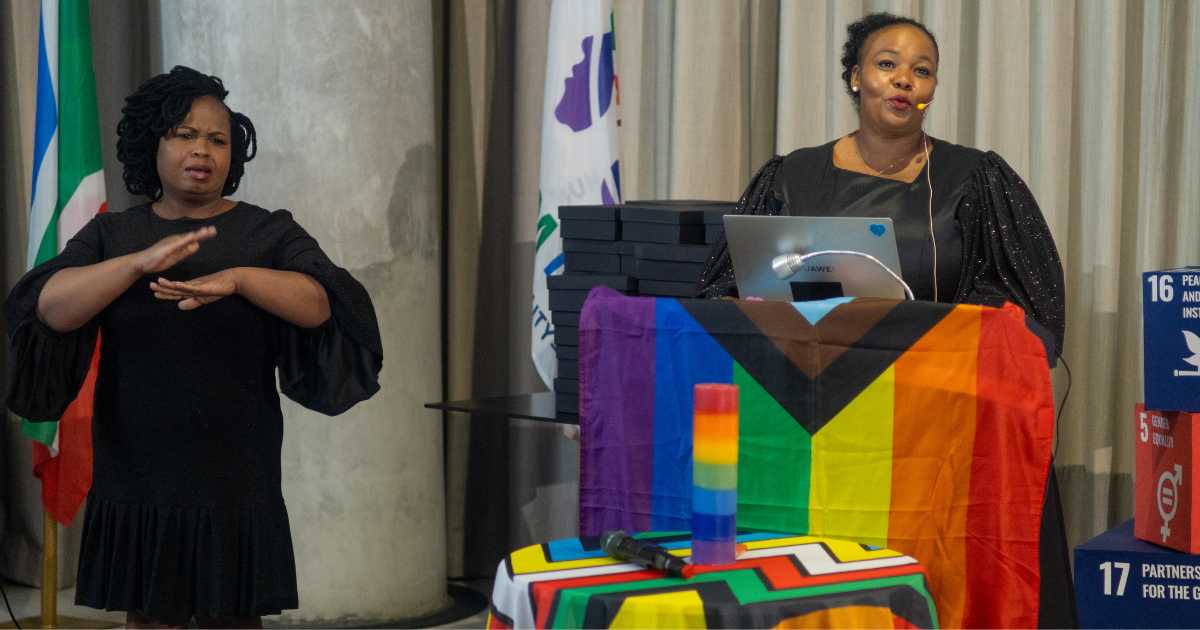
South Africa must move beyond workplace policies and Pride Month campaigns to ensure LGBTQ+ inclusion is reflected in the everyday experiences of employees, customers and communities, speakers at the launch of the SAWEI 2026 National Report have said.
The report, published by the SA LGBT+ Management Forum, was launched on Monday evening in Sandton at an event hosted by McKinsey & Company. It brought together professionals, private-sector companies, government officials, development agencies and civil society stakeholders to examine LGBTQ+ inclusion in South African workplaces and discuss the way forward.
The South African Workplace Equality Index (SAWEI) assesses organisations against 110 evidence-based questions, examining whether practical systems, accountability and measurable action support commitments to LGBTQ+ inclusion.
Beyond policies: The reality of LGBTQ+ employees
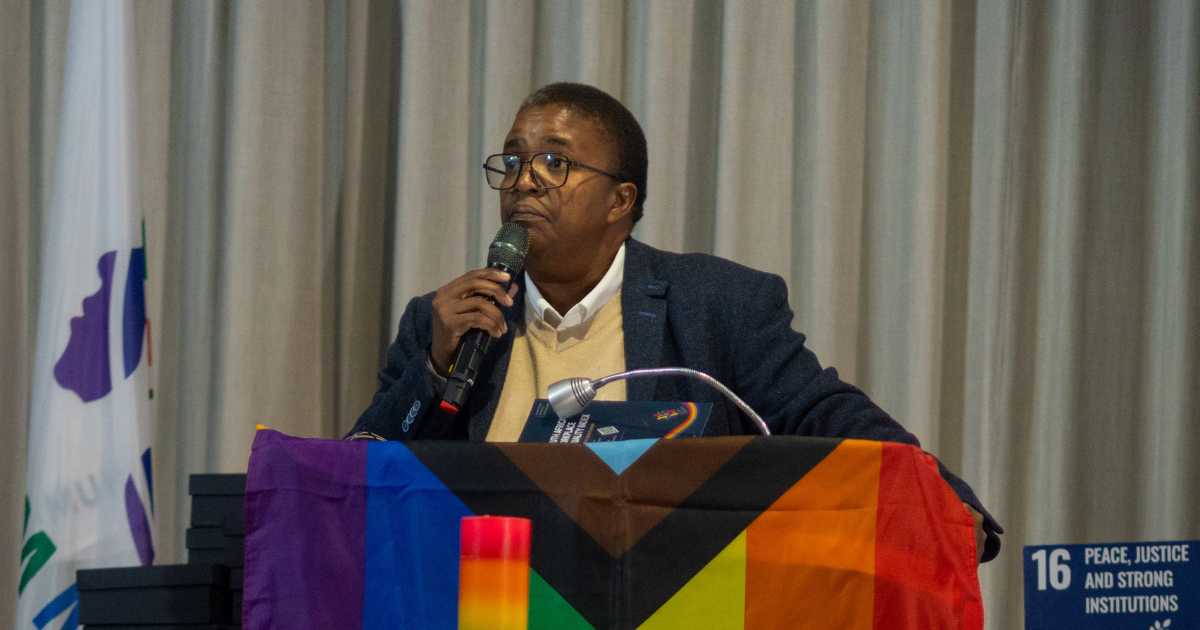
Presenting the report, the Forum’s Kally Mabe highlighted the gap between formal workplace inclusion and the reality experienced by many LGBTQ+ people.
He cautioned against assuming that gay, lesbian and bisexual employees necessarily experience the same level of privilege, pointing out that some may benefit from being perceived as heterosexual while being unable to live openly.
“There’s a lot of women that are incorporated, lesbian women, that are not living as their true selves within the workplace. And everybody assumes that they’re heteronormal, right? And they adapt that so that they could be able to survive,” Mabe said.
He also highlighted how workplace systems can remain gendered despite progressive policies and processes.
“The policies have changed, or they’ve matured to a certain extent. The processes exist. But the systems are very gendered,” he said.
Mabe urged organisations to consider LGBTQ+ inclusion across the entire employee and customer journey. An employee may have their preferred name correctly recorded in an HR system, he explained, but still experience misgendering when interacting with a company’s customer-facing services.
“I can have a preferred name in an HR system. But if I walk into a retail store or engage with a call centre, I’m still the same employee that’s misgendered,” he said.
He called for organisations to draw on the expertise of LGBTQ+ employees to identify gaps in systems and services and argued that diversity and inclusion education should become a mandatory part of workplace training.
“The same way cybersecurity or any other current education and awareness programme that is mandatory, we need D&I awareness and education that becomes mandatory within the business,” Mabe said.
He also pointed to challenges LGBTQ+ people can face when accessing services such as medical aid and insurance, noting that same-sex couples may encounter additional administrative hurdles.
“Someone who’s in a same sex marriage or relationship has to undergo manual underwriting to be able to add their partner to a medical aid or any insurance benefit,” he said.
‘Recognition is not completion’
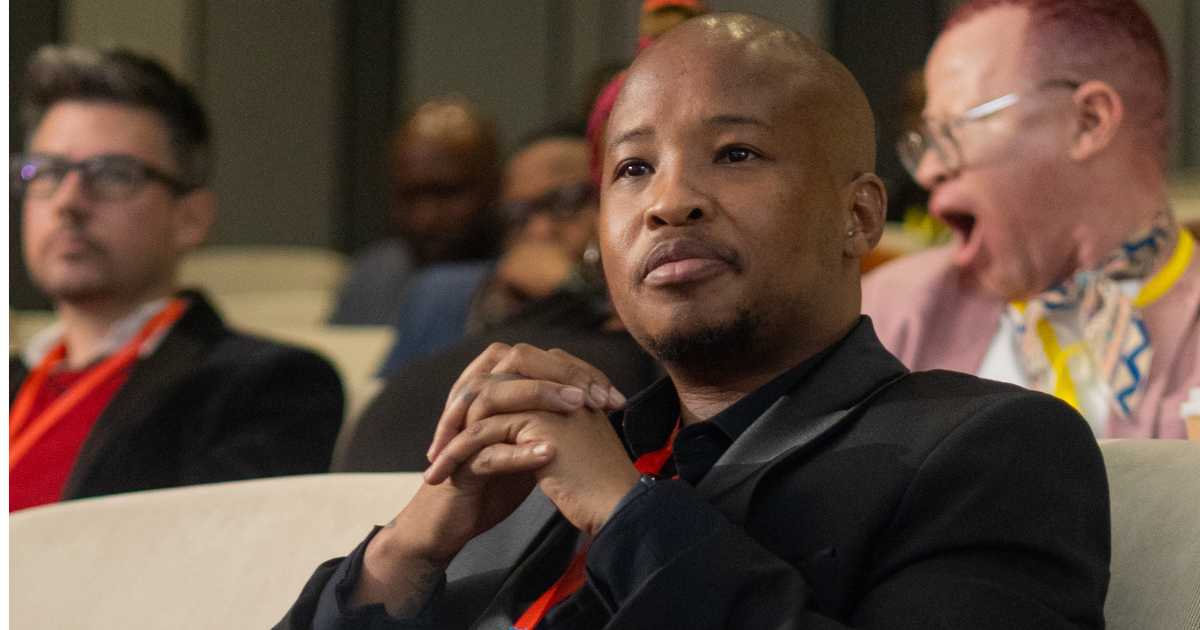
Deputy Minister Steve Letsike described the SAWEI report as more than an assessment of diversity programmes, arguing that it should prompt a deeper examination of how institutions distribute opportunity, dignity and belonging.
“This report deserves more than an applause. It deserves a political and institutional reading, because it’s not principally a report about diversity programmes,” Letsike said.
“It’s a report about how power allocates safety, income, visibility, mobility, and belonging in the world of work. It’s about whether our public and private institutions can translate constitutional rights into lived experience.”
According to Letsike, approximately 300 employers were engaged in the SAWEI process, with 11 submitting and seven completing independent validation against 110 evidence-based questions.
McKinsey & Company South Africa received Gold Progressive recognition, while Vodacom, PwC South Africa and Absa Group received Silver recognition. Three other participating organisations were recognised anonymously.
Letsike welcomed organisations that had subjected themselves to assessment but stressed that recognition should not be mistaken for completion.
“Recognition, however, is not completion,” she said.
She called for the next phase of inclusion to extend beyond leading employers and reach the broader labour market, including government departments, municipalities, state-owned enterprises, factories, farms, retail environments, call centres, SMMEs and the informal economy.
“The transformative task is to really distribute the capacity for inclusion across the labour market and, you know, into the public service municipalities,” Letsike said.
Inclusion must address poverty and inequality
Letsike also connected LGBTQ+ inclusion to broader issues of poverty, unemployment and inequality, arguing that queer rights cannot be separated from the country’s wider transformation agenda.
“When you have empowered LGBTI persons, you have empowered the queer movement, the queer nation, and their families,” she said.
She warned against complacency as LGBTQ+ rights face growing pressure internationally, including across parts of Africa.
“Democracy is under attack, not only here for South Africa, not only for Africa, but for the rest of the world,” she said.
“If we don’t do and take the right kind of decisions, even the gains that we’ve had for the last 32 years of our democracy remain loose.”
Letsike proposed a framework based on a “floor, a ladder, and a mirror”. The floor would establish non-negotiable workplace protections, the ladder would focus on economic opportunity and advancement, while the mirror would require organisations to measure their progress and address persistent gaps.
“Employers should be able to show really repair, not repeat, retention,” Letsike said.
From declarations to discipline
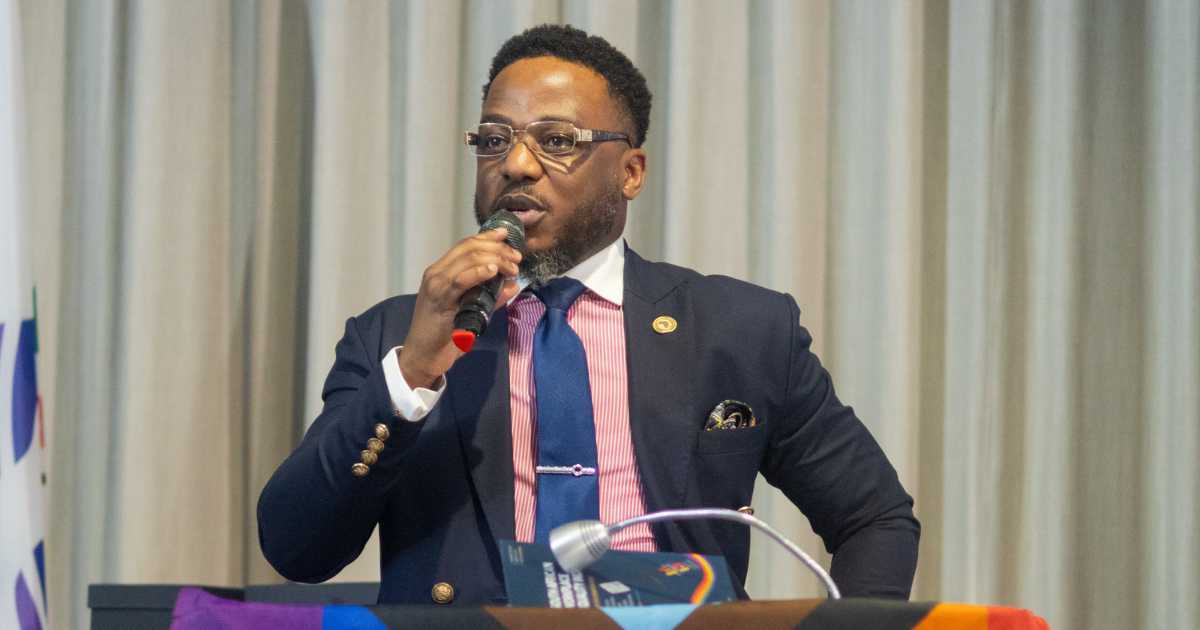
H.E Prof. Ambassador Tal Edgars, PhD described the report as an “accounting” rather than simply a celebration, arguing that its value lies in forcing institutions to confront the gap between policy and practice.
“Even within this cohort, the gap between policy and practise, between declaration and discipline, between what is written on a website and what is lived on a Monday morning in July remains visible and in some areas substantial,” Edgars said.
He challenged organisations to use their influence beyond their own workplaces through supply chains, procurement, professional networks and funding relationships.
“The question for every leader in this room is therefore not only what are you building inside your own organisation, it is what influence you’re choosing to exercise beyond,” he said.
Edgars also criticised organisations that intensify their LGBTQ+ inclusion efforts during Pride Month only to allow them to fade afterwards.
“Inclusion that intensifies in June and recedes in July is not inclusion, it is theatre,” he said.
He argued that meaningful inclusion should become part of ordinary governance and management practice.
“The organisations that will be leading on this question in the next decade are not those with the most visible June activations or the most eloquent public communications. They are the ones whose inclusion practise is by July indistinguishable from their ordinary year-round unremarkable management discipline.”
‘We have a lot to fight for’
Justice Edwin Cameron, in a pre-recorded address, described the report as both a celebration and a call to action.
“Each of us must do more to ensure inclusion, and to ensure the realisation of our constitutional rights of equality and dignity,” Cameron said.
He noted that South Africa has strong legal protections for LGBTQ+ people but warned that these rights have not always translated into lived equality.
“We have a plethora, a panoply of legal frameworks, of laws, of rights, but we haven’t always implemented them,” he said.
Cameron also highlighted threats facing LGBTQ+ communities across the continent, adding that South Africa’s constitutional protections remain worth defending.
“South Africa still remains the first country in the world to have a constitution that makes reference to sexual orientation. It’s precious, there are people who are attacking it, there are people who are attacking the constitution, we have a lot to fight for in our country.”
The SAWEI 2026 launch ultimately delivered a clear message: South Africa has established an important constitutional foundation for LGBTQ+ equality, but the next challenge is turning those rights into lived experiences of dignity, safety, opportunity and belonging.
The responsibility now lies with government, business and civil society to ensure that inclusion moves beyond policies and public statements and becomes a measurable, year-round reality across South Africa’s workplaces and economy.
Read the full SAWEI 2026 National Report here.