
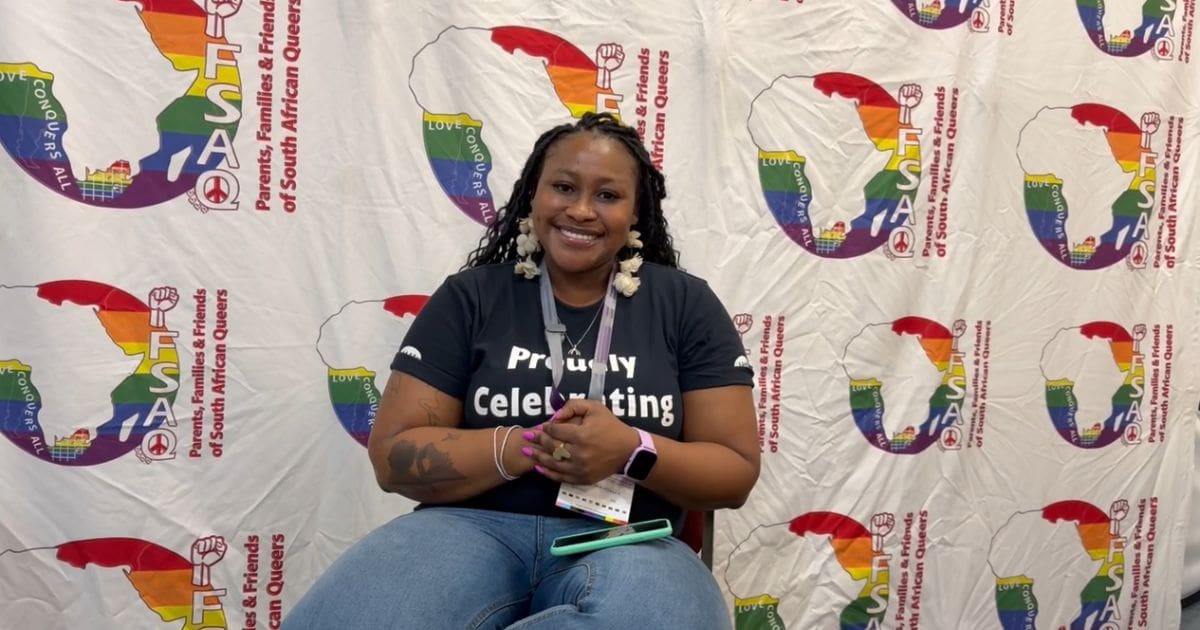
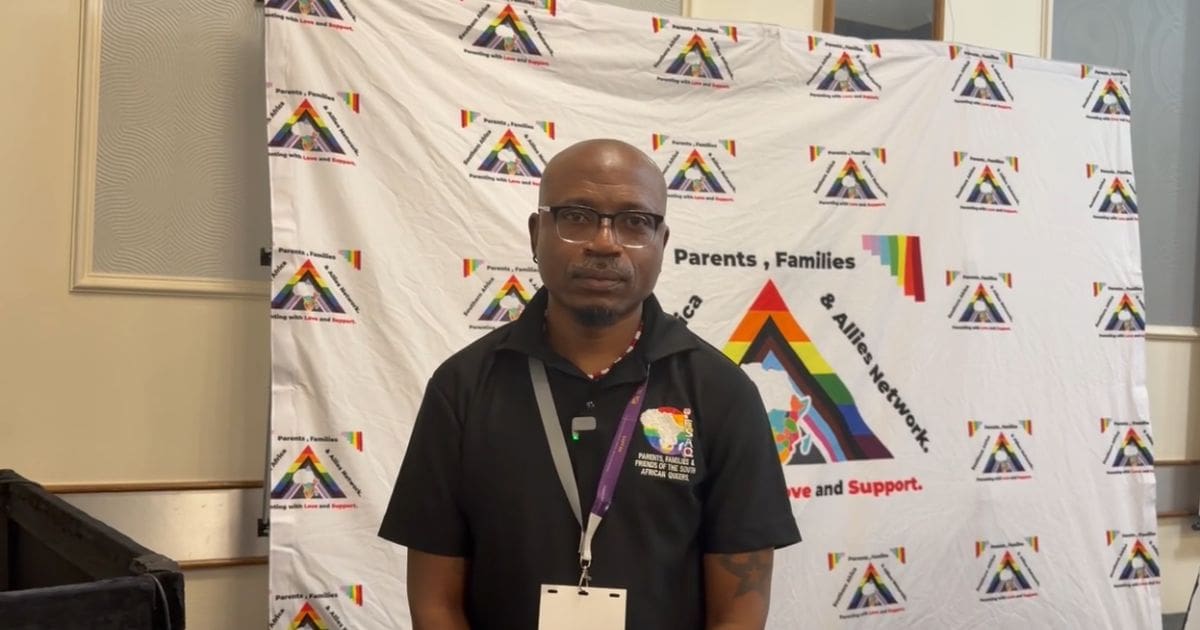
Parents, families and allies from across Southern African gathered in Johannesburg on 23 and 24 September for the inaugural Southern Africa Parents, Families and Allies Network (SAPFAN) Regional Forum, hosted by Parents, Families and Friends of South African Queers (PFSAQ).
The two-day event sought to strengthen regional family advocacy and build a shared response to the stigma, discrimination and exclusion experienced by LGBTIQ+ people and their families. It was also a platform to share powerful stories of acceptance, rejection, faith and parents’ love for their queer children.
According to SAPFAN Regional Coordinator Bonginkosi Mthembu, participants hailed from countries including Angola, Lesotho, Botswana, Eswatini, Zimbabwe, Zambia, Malawi, Namibia and South Africa. The gathering followed country-level consultations with parents about how they wanted the regional movement to develop.
“We are bringing everyone that we consulted previously to come up so that we can also do an MOU on how you want to take this movement going forward,” Mthembu explained.
From family acceptance to regional advocacy
For many of the parents attending, the forum was about more than learning terminology or understanding sexual orientation and gender identity. It was about confronting their own experiences and becoming stronger advocates for their children.
Busi Hlongwane, from Eswatini and a member of Parents Unite and Care for All Children (PUCAC), said the gathering left her feeling empowered to continue supporting her queer child, who has experienced discrimination.
“I have a queer child who needs a lot of love and a lot of support,” she said. “I’m one parent who is ready now to be out there and support my child fully, and even other children who don’t get support from their parents and from their communities.”
Hlongwane said the experience also reinforced her belief that parents and communities must choose support over discrimination.
“We are all human, we are all created in the likeness of God, and no one should be discriminated [against],” she said. “All we need to do is to be one in unity and support our children.”
For one parent from Malawi, acceptance was a journey. She spoke about initially rejecting her child because they were queer. Through information sessions with PFSAQ, however, she began learning more about sexuality and her child’s experiences. That education helped her develop a better understanding of and relationship with her child.
A mother from Namibia shared a different experience. Having grown up with a queer brother, she had witnessed her own mother’s love and acceptance of him, regardless of his sexuality. That experience helped her accept her own queer child.
Her family life nevertheless changed dramatically when her husband divorced her because of their queer child. She has since continued learning about sexuality and pronouns to better understand and support them.
Fighting for children, even when institutions turn away
A mother from Zimbabwe spoke about an even more painful intersection of parenthood, religion and rejection.
She said she had previously been a pastor but was forced out of the church after having a queer child. She also said her husband divorced her, after described their child as a “demon”.
Despite the rejection she experienced, she said parents must learn to fight for their children.
She reflected that some young people no longer attend church because of the way parents and religious communities have treated them.
Her story echoed one of the central themes of the gathering: that parents can either reinforce stigma or become a powerful source of safety, acceptance and advocacy for queer children.
Understanding the anti-rights movement
The forum also moved beyond individual family experiences to examine the broader environment in which LGBTIQ+ people and their families are advocating for their rights.
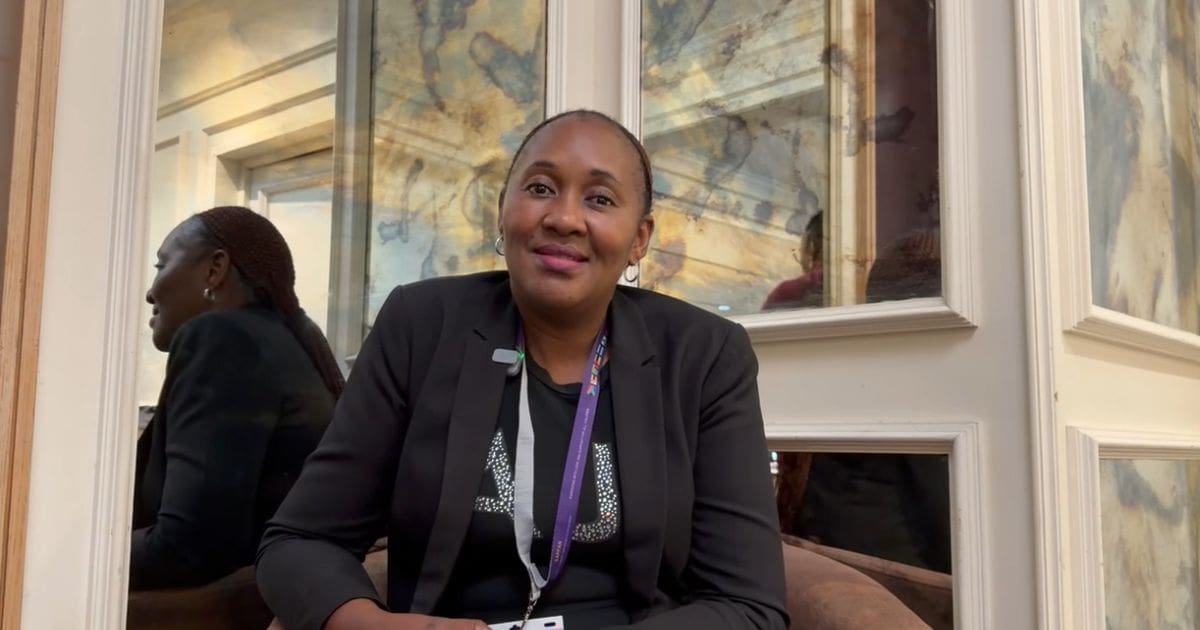
Thuli Mjwara, Strategic Advocacy and Process Coordinator at Inclusive and Affirming Ministries (IAM), spoke about the anti-rights and anti-gender movements in Africa, including their evolving actors, tactics and networks.
Participants explored how these movements operate across multiple spaces, including human rights, media, civil society and politics. They also discussed the importance of identifying actors and understanding the strategies being used to influence public conversations.
One focus was misinformation and the need for activists and allies to confirm the accuracy of information before sharing it.
“It’s very important that you fact check. It’s very important that you dispute and you openly debunk myths,” Mjwara said.
The discussion also highlighted the importance of cross-border solidarity, particularly as organisations advocating for LGBTIQ+ rights increasingly work across national boundaries.
Building a movement of parents
For Mthembu, the forum represented an important step towards creating a stronger regional parent movement.
He said SAPFAN wants to see the network expand across Southern African Development Community (SADC) countries and engage with regional governing bodies, with the ultimate goal of encouraging parents to provide love and support to their queer children.
“We need each other,” Mjwara told participants during the discussions, emphasising the importance of alliances in responding to threats against human rights.
The gathering demonstrated that family advocacy is not only about helping parents understand their queer children. It is also about giving parents the tools, confidence and collective power to challenge discrimination and create safer communities.
For the parents in the room, the message was clear: acceptance can be learned, families can change, and parents can become some of their children’s strongest advocates.