
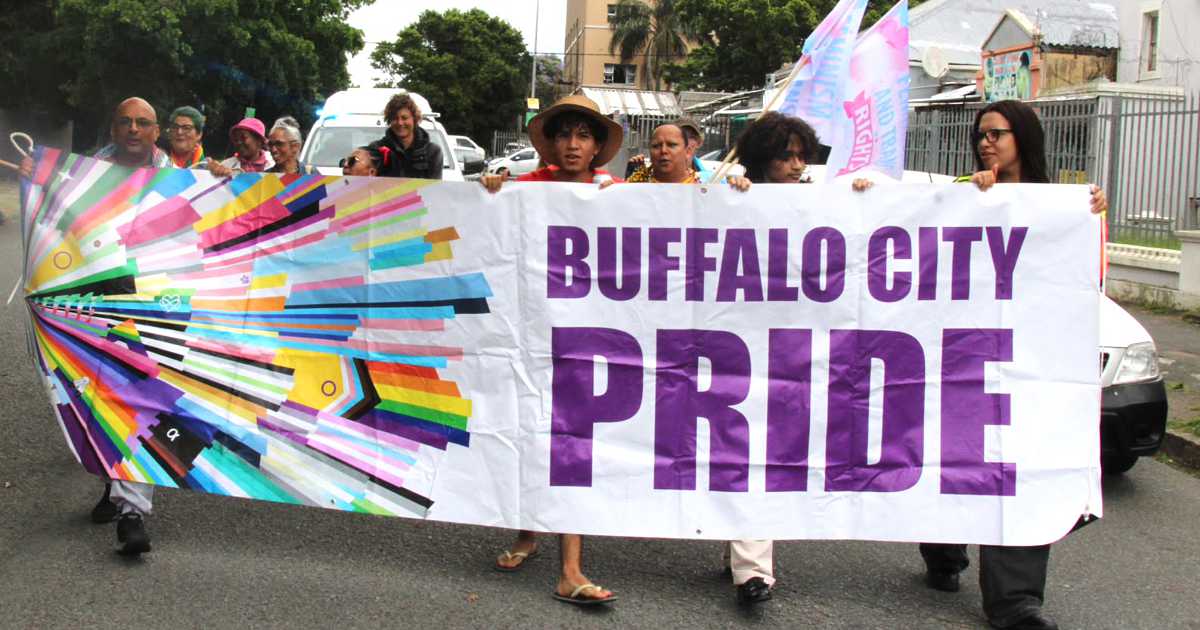
Buffalo City’s 4th Inclusive Pride in South Africa’s Eastern Cape may have been small in numbers, but it offered something profound: a powerful reminder of the love, solidarity and sense of belonging that sustain queer communities. In this heartfelt opinion piece, human rights defender and Pride organiser Sikhander Coopoo challenges the claim that queerness is un-African, arguing that queer values are, in fact, African values.
We are not a big Pride. I want to say that first, and without apology. Buffalo City is a small metro with a small queer community.
As we gathered at the Ann Bryant Art Gallery in Southernwood on Saturday, 7 November, for our 4th Inclusive Pride, people trickled in slowly. A few at a time, glancing at the street behind them. Law enforcement was already there when we arrived.
Pride is often measured in numbers. How many tens of thousands marched. How many floats. How many millions in sponsors. We have no sponsors, no budget, but each other. I have come to believe that the truest measure of Pride is how it feels to be there.
A gentleness I did not expect
While we waited, I spoke to a member of SAPS Crime Intelligence. I showed him screenshots of some of the queer hate speech we reported to SAPS and the South African Human Rights Commission. I expected him to nod and move on. Instead, he spoke softly.
“Even if it’s just a few of you, please do the march. It’s so important that you do the march. We’ll be here. We’ll take care of you.”
I did not expect that kind of gentleness from someone who was there to do his job, let alone from a man I assume is heterosexual.
We marched
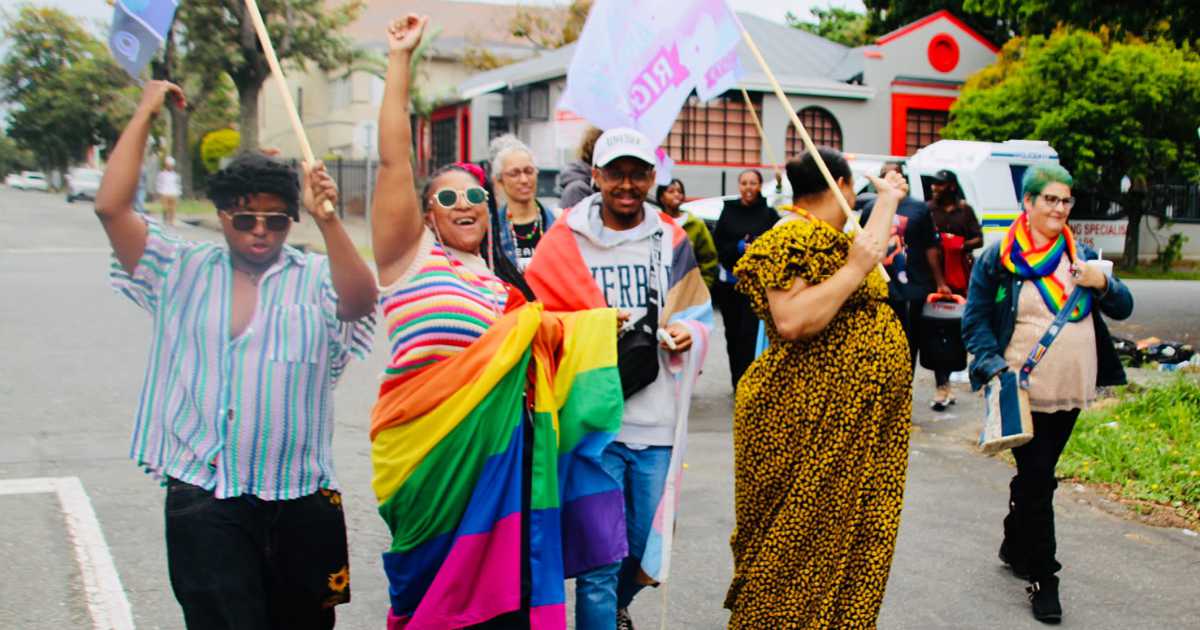
We set off and crossed busy Oxford Street into Southernwood. At first, we walked quietly. Then someone burst into queer chant, and the rest of us followed. Young people saw us and joined.
The group grew bigger, louder. Music started, and it became a street party. Southernwood felt our presence. We were not hiding. We were not asking permission. We were simply there, together, in the open.
Queer fairies in an enchanted forest
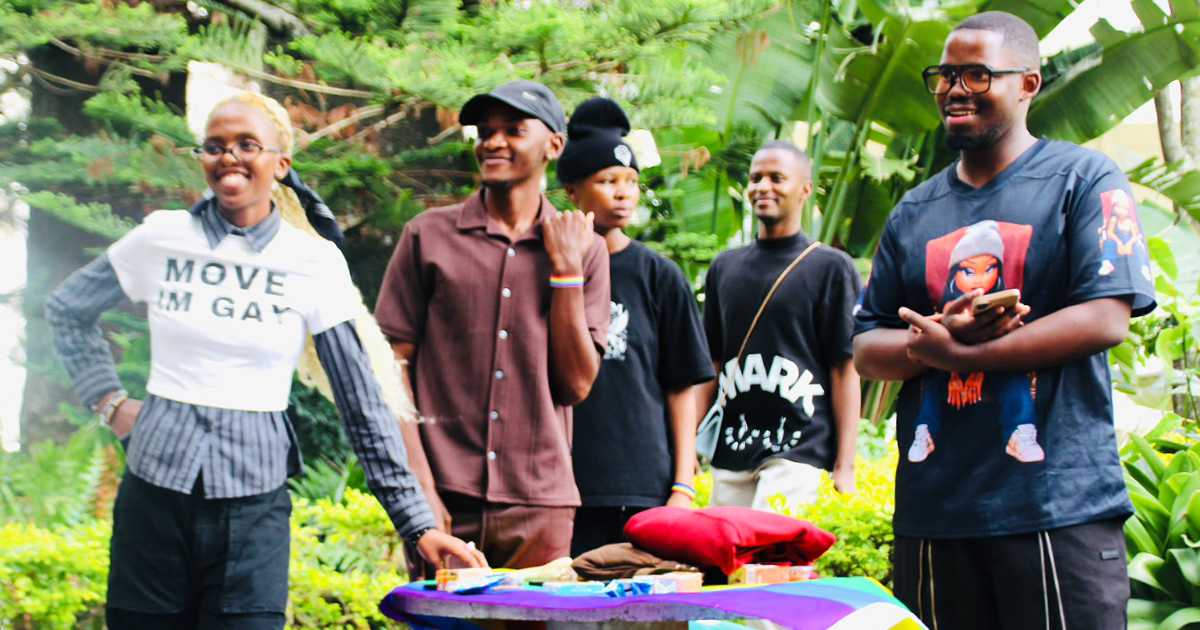
The caretaker at Ann Bryant kept the gate secure so one bothered us. Under the old trees, it felt like we were queer fairies in our own enchanted forest.
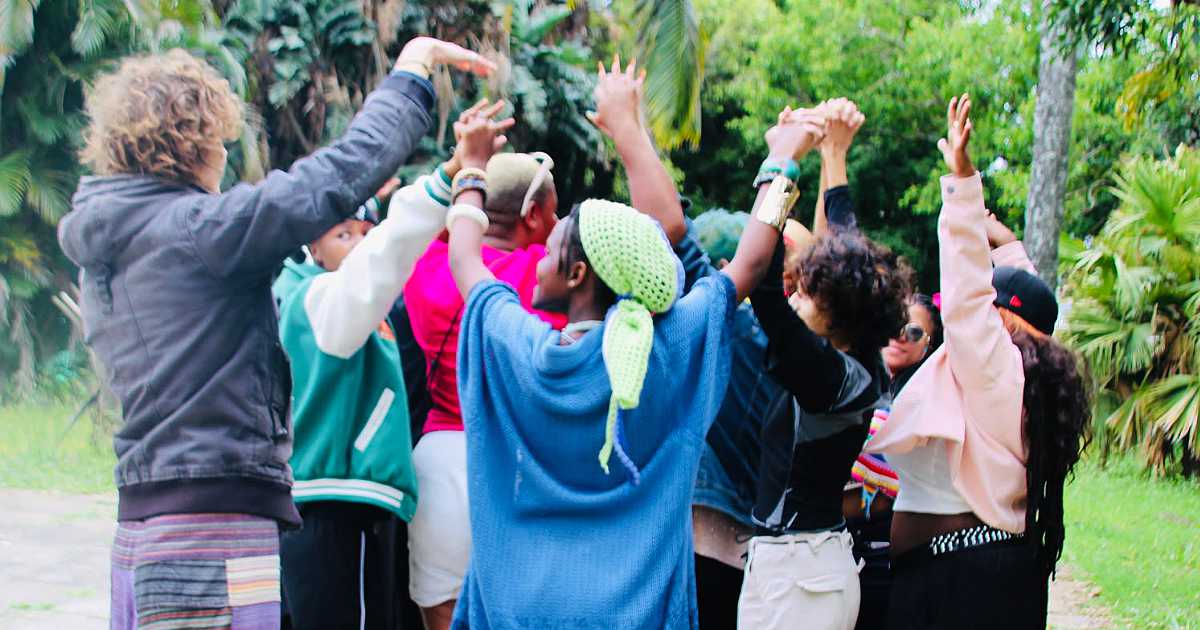
We played games. We laughed until our faces hurt. People brought food and shared it without anyone asking and without anyone keeping count. That is Ubuntu. Not a slogan on a banner. Friendship. Companionship. People checking on each other. We sang under the trees.
I need to be honest about something. I carry anger toward straight people, especially straight men. I did not choose it. It was handed to me, the way it is handed to so many of us, through what we have seen and what we survived.
A young and wise queer person sat with me and spoke about owning that anger. They are the ones who harm us, he said. They are the ones who kill us. Don’t be apologetic about that anger.
Then he reminded me of Muhammad Ali.
In a 1971 interview, Ali was asked whether all white people were bad. He answered with a picture. If ten thousand snakes were coming down the aisle, and he knew a thousand of them did not want to bite him, should he let them all through and hope the good ones protect him? Or should he close the door and stay safe?
Ali was talking about self-preservation. About why the burden of checking which snake is venomous should never fall on the person who might die from the bite. For queer Black people in this country, this is not a metaphor. It’s an ordinary week.
It made complete sense to me. And still, my mind kept wrestling with the officers, the kind ones. The protective ones. Both things are true. We have every right to close the door. And what those officers offered us is exactly the support we need from heterosexual people. Not tolerance from a distance. Presence. Care. A promise kept.
What African family values really mean
We are told over and over that being queer is un-African. That we are a threat to family values. We answered that.
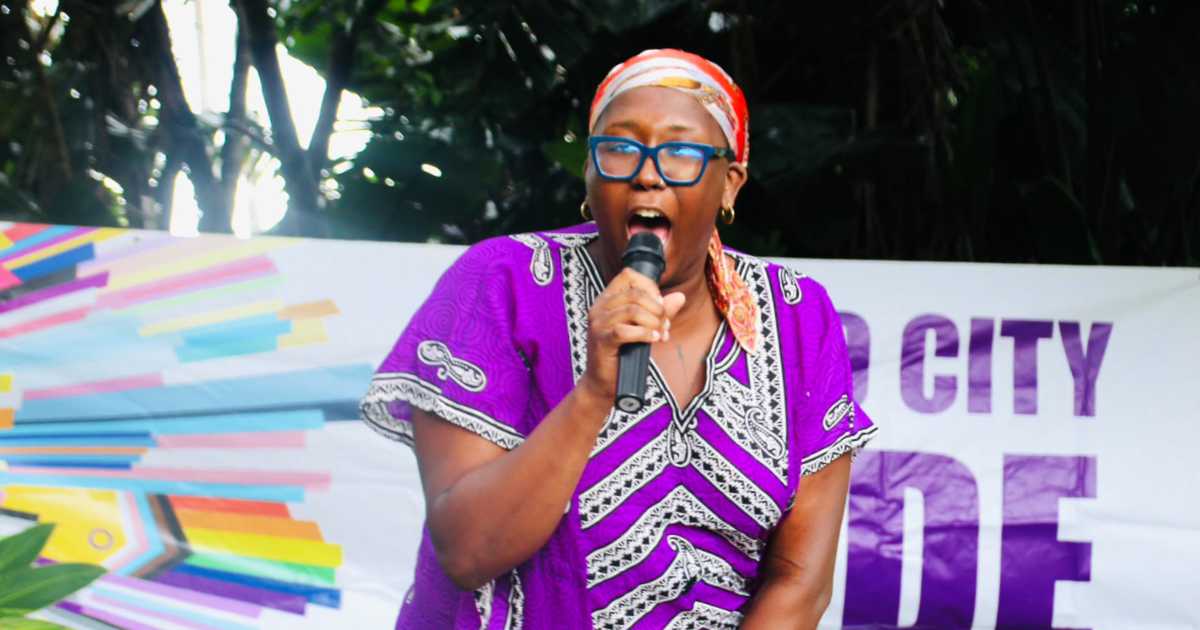
Sivu Mtana, one of our organisers, said Pride means community, gathering, and simply being proud of yourself. Celebrating who you are. Celebrating your queerness. Being with your family, your queer community. A happiness that comes from within.
Zade de Kock, another organiser who uses they/them pronouns, put it this way. Family values, in the context of queerness, mean being with people who love and accept you for who you are. Celebrating together. Sharing community with one another.
That is not a rejection of African family values. That is African family values. The village that raises the child. The elder who makes sure the young ones have eaten. The young ones who sit beside the elder and listen.
I watched young queers look after older ones, and older queers hold space for young ones finding their way. That is family. It is ours. Nobody gets to tell us we do not have it.
So, Pride is not only a protest, nor is it only a celebration. It’s also an act of care. It is making sure the young queer adult knows they are not alone. It is making sure the elder who survived apartheid and decades of violence knows they are still seen and still needed.
Thank you
We spoke about safety, gratitude and what we were going home to. One person said words I have not stopped thinking about.
“If no one has said this to you, I’ll say it. Thank you, thank you, thank you. You don’t know how much this means to me. To be in a space where I feel loved, where I feel safe to be myself I don’t know what will happen when I go home. But for now, I will enjoy this moment.”
This gratitude is because of everyone who was there, creating this community of care and love.
And here is our thank you.
To Sivu, Zade, Thando, Afika and everyone who worked hard to organise this Pride. You gave our queer community something magical and memorable.
To Buffalo City Metro’s Law Enforcement and SAPS. You made us feel looked after, not watched.
To Commissioner van der Merwe of the Commission for Gender Equality. Your presence made us feel safer. More than that, you made us feel cared for and seen.
To Dr Muller. Thank you for your commitment and support. You are our queer family doctor, and we love you.
To the management and staff of Ann Bryant, thank you so we could simply be.
And to everyone who came out and shared the day in community. It was beautiful.
What we carry home
Some of us went home to families who hold us. Some went home to silence, or to worse. Pride does not fix that. One afternoon under the trees cannot undo what waits outside the gate. But it can remind us what we are worth. It can show us what safety feels like, so we know what to keep fighting for.
I felt the real spirit of Pride. Friendship and community are growing stronger and more beautiful right before my eyes. I felt the spirit of Dr Bev Ditsie’s Constitution Hill Pride, here in Buffalo City. Queer, African and proud in the Eastern Cape.
Sikhander Coopoo is a black, queer, Muslim intersectional feminist with backgrounds in gender, pedagogy and local governance. He is a social justice and humxn rights activist at heart. Sikhander serves on the Gender and Sexuality Alliance of East London committee and writes in his own capacity.