

The history of same-sex desiring in African communities is rich and complex, offering an important perspective for understanding the current anti-queer and anti-gender stance. Contrary to modern misconceptions, many precolonial African societies recognised and accepted diverse expressions of gender and sexuality.
These communities had intricate understandings that went beyond the rigid binaries later introduced by European colonial powers. King Mwanga II of Buganda is a historical example of precolonial acceptance of diverse sexualities, as he was known to have male partners and ruled at a time when such relationships were not viewed with the stigmatisation imposed by later colonial influences.
His reign reflects the complex nature of African societies that once embraced a broader spectrum of gender and sexual identities. By examining these historical contexts, we can challenge the narrative that LGBTQ+ rights are “un-African” and highlight the longstanding traditions of acceptance inherent in African cultures.
In precolonial Africa, same-sex relationships and varied gender identities were woven into the social fabric, not just in Africa, but there are various historical accounts across the world. Many societies acknowledged individuals with same-sex desires through spiritual and ritual roles, often revering them as spiritual leaders or shamans who were believed to have unique insights and powers. Gender fluidity was embraced in many cultures, allowing individuals to express their identities freely, unbound by strict gender norms. Historical records and oral traditions document marriages and partnerships between individuals of the same gender, with several communities providing social recognition and support. These narratives, passed down through generations, celebrated diversity as a cultural value.
Shaped by Western Christian Biases
The arrival of colonial powers, however, drastically altered these attitudes. European colonisers imposed moral and legal codes that criminalised non-heteronormative behaviours and identities, marking the beginning of widespread stigmatisation and persecution of LGBTIQ+ individuals. Colonial laws, such as anti-sodomy and anti-homosexuality legislation, were rigorously enforced and remain entrenched in the legal systems of many African countries. We continue to see countries criminalise same sex love.
Alongside this, missionary efforts propagated a version of Christianity that condemned same-sex relationships and traditional practices, practices we continue to see and hear about. During the colonial era, European missionaries significantly influenced perceptions of sexuality in African societies, often reflecting their Western Christian biases.
In late 19th-century Uganda, missionaries from the Church Missionary Society (CMS) noted same-sex relationships among the Baganda people, including King Mwanga II. These practices clashed with the missionaries’ beliefs and were reported back home with moral outrage, pressuring colonial authorities to impose Western legal standards. These accounts influenced colonial policies that criminalised non-heteronormative behaviours, leading to anti-sodomy laws that persist in many African countries today.
These reports serve as a reminder of the colonial impact on African cultures and highlight the need to challenge these inherited legacies and recognise Africa’s diverse history of gender and sexuality.
In recent years, Africa has seen a troubling resurgence of anti-gender and anti-queer movements. These movements, often funded by well-resourced international entities, threaten to undermine decades of progress toward equality and human rights. Their mission is not merely conservative; it is regressive and poses a significant challenge to the social fabric of our diverse continent.
The Threat of Regression
The anti-gender and anti-queer movements are characterised by their staunch opposition to gender diversity and LGBTQ+ rights. This opposition is cloaked in the rhetoric of protecting “traditional” family values and has found fertile ground in societies where conservative ideologies still hold sway. However, this narrative is misleading and dangerous. It seeks to erase the identities and rights of countless individuals who contribute to the vibrant and diverse nature of the African society.
The financial backing of these movements cannot be underestimated. With substantial funding, they can wield major influence, lobbying governments, funding campaigns, and spreading misinformation. Their efforts to roll back protections for LGBTQ+ individuals are not just a threat to those communities but to the broader principles of equality and justice.
Take, for instance, the case of Uganda. David Bahati, a key figure behind Uganda’s Anti-Homosexuality Bill, received funding and support from international conservative groups and religious organisations. These groups promote their views on homosexuality with the aim of spreading conservative agendas worldwide. This international backing provided Bahati with added resources and influence to advocate for the bill’s passage, aligning with his goal to protect Ugandan cultural values from perceived Western influences.
A Battle for Human Rights
The fight against these regressive movements is a battle for the soul of Africa. It is a battle for human rights, dignity, and the recognition of diversity as a strength rather than a threat. In many African countries, steps have been taken towards inclusivity and equality. However, the backlash from anti-gender, anti-rights and anti-queer entities threatens to reverse these hard-won gains.
What is more concerning is that right on our shores, the Pan-African Conference on Family Values (PACFV) will take place. The conference scheduled to take place in Cape Town, South Africa, in May 2027, is known for its focus on promoting conservative interpretations of “family values,” which includes defining marriage solely as a union between a man and a woman. Such gatherings have become notorious for their campaigns against LGBTQ+ rights and reproductive health access.
These conferences, which often feature anti-rights speakers and international conservative groups, are used to “weaponise” culture and religion and promote hateful, anti-LGBTQ+ agendas. This and many other related events have been associated with influencing legislation in other African countries and are often backed by conservative organisations, as was the case in Uganda.
The influence of such gatherings extends beyond the conference halls. They have been linked to legislative changes in various African countries, often backed by well-funded conservative organisations that push for policies infringing on the rights of LGBTQ+ individuals and women seeking reproductive health services. The rhetoric espoused at these conferences can incite further discrimination and stigmatisation, harming already marginalised communities.
As this event approaches, it is important for activists, allies, and supporters of human rights to remain vigilant. There is a need for a united front to counter the narratives propagated by the movement and similar gatherings. This involves amplifying the voices of those affected, promoting education and awareness, as well as inclusive dialogues that celebrate Africa’s rich diversity. Solidarity from international partners is also essential. Challenging the external funding and support that bolster these regressive ideologies helps empower African activists and organisations dedicated to equality and justice.
The Role of International Solidarity
The international community has a role to play in supporting African nations as they navigate this challenge. Solidarity from global partners can provide the resources and platforms necessary to amplify the counter-narrative of inclusivity and acceptance. It is essential to challenge the external funding that supports regressive ideologies and instead promote initiatives that empower and uplift marginalised communities. Countries like Canada remain exemplary in demonstrating the role that governments can play in supporting African LGBTIQ movements to promote this counter-narrative.
As we stand at this crossroads, it is important that, in defending the gains of our democracy, we continue to choose a path that leads toward progress, not regression. We must work collectively to ensure that Africa is a continent where every individual, regardless of gender identity or sexual orientation, can live freely and authentically.
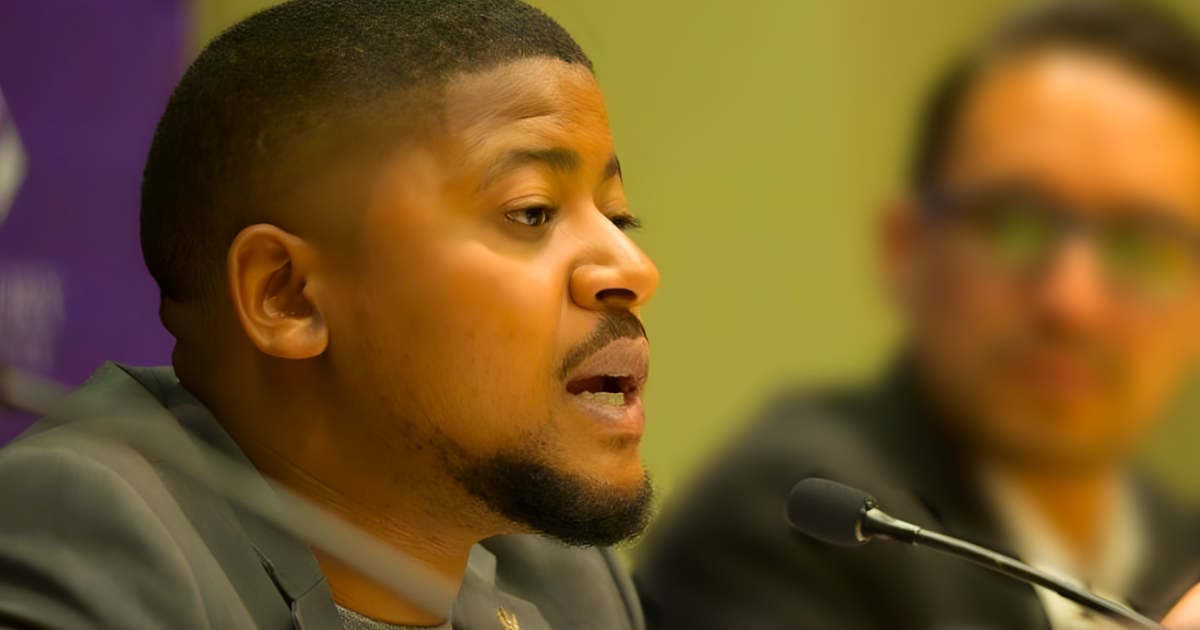
Mpho Buntse is a Human Rights and LGBTIQ Activist. He is the Secretary-General of the Embrace Diversity Movement.