Queer Icons 101: Simon Nkoli — A Revolutionary for All Freedoms
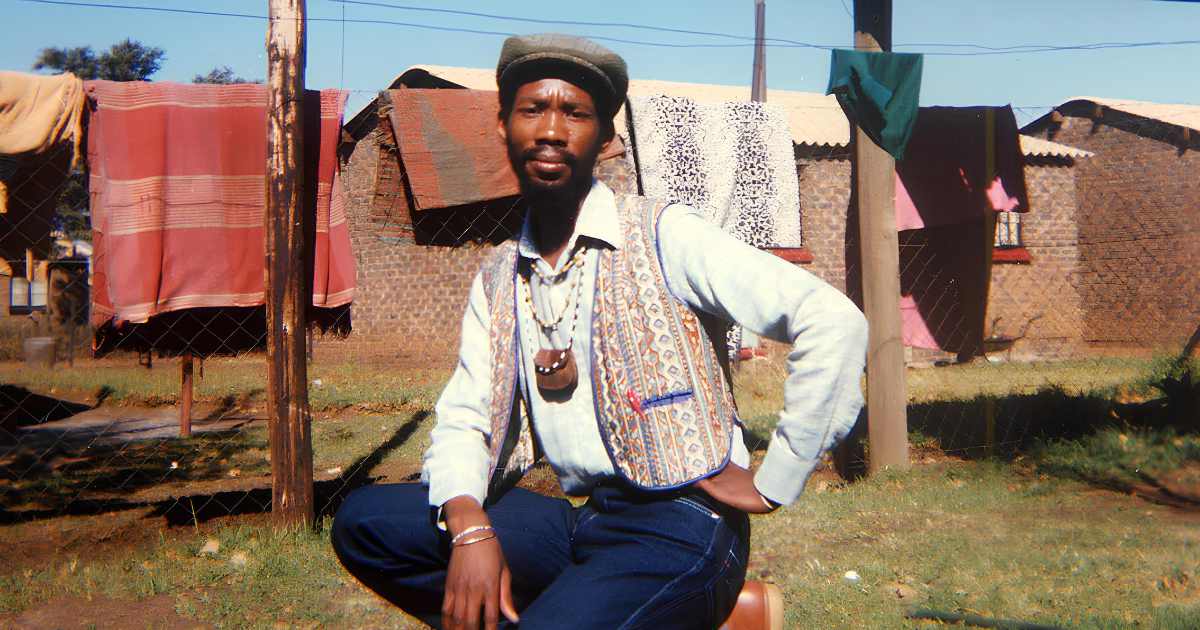
Simon Nkoli in the early 1980s. (Photo courtesy of the GALA Queer Archive)
Simon Nkoli’s name is often invoked as a pillar of South Africa’s queer liberation movement, yet many may not fully grasp the breadth of his courage, compassion, and political influence.
One of the nation’s most powerful champions for equality, Nkoli reshaped both the anti-apartheid struggle and the LGBTQ+ rights movement. His life stands as a vivid reminder that freedom is indivisible.
Early Life and a Defiant Coming-Out
Simon Tseko Nkoli was born on 26 November 1957 in Soweto and spent his childhood on a farm in the Free State before later moving to Sebokeng.
At 18, he came out as gay to his mother, Elizabeth; an act of profound bravery in the 1970s. In response, she sought help from a priest, sangomas, and a psychologist in an attempt to change his sexuality, reflecting the stigma queer people faced at the time.
Like many other South Africans, Nkoli’s life was shaped by apartheid’s brutality. To live with his first lover, a white bus driver named Andre, he had to pretend to be Andre’s domestic worker to avoid arrest under racist legislation.
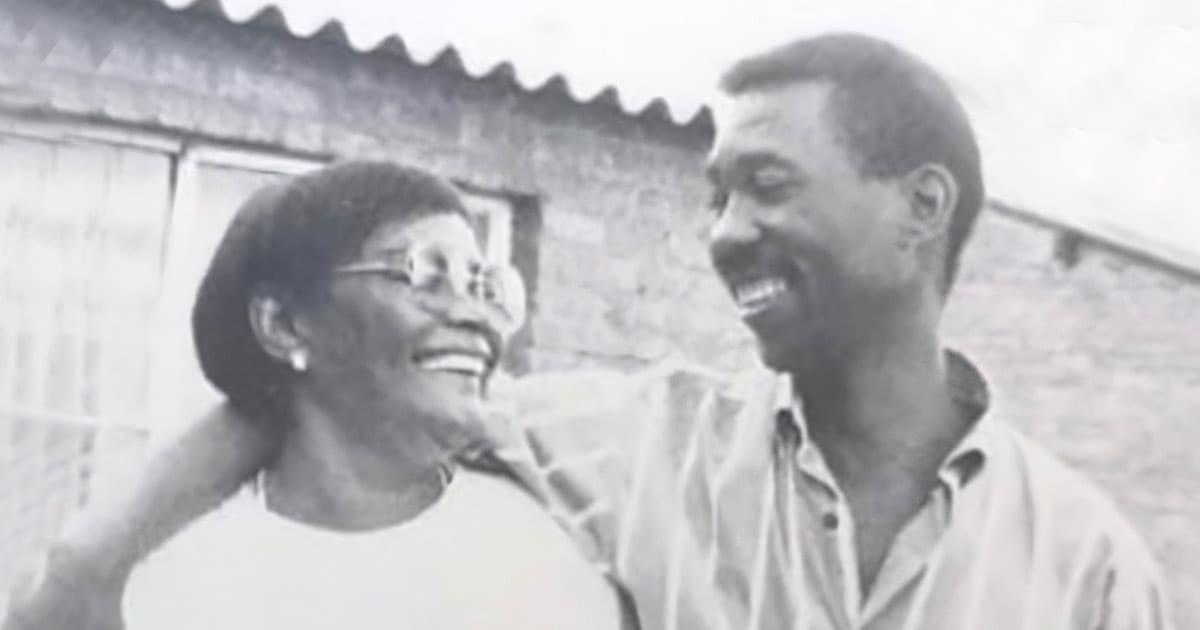
Elizabeth Nkoli and her son, Simon Nkoli (Photo: Simon Nkoli Collective)
Activism, Leadership and the Delmas Trial
Nkoli became deeply involved in youth activism and rose to serve as the Transvaal regional secretary for the Congress of South African Students (COSAS). His sexuality raised concerns among some members, and a vote was even held on whether he should retain his position. He won that vote, remaining in leadership.
In 1985, Nkoli was arrested alongside 21 other activists in what became the infamous Delmas Treason Trial. He faced the possibility of the death penalty and spent four harrowing years in Pretoria Central Prison before he and the others were finally acquitted.
Coming Out Behind Bars
While in prison, Nkoli came out to his fellow anti-apartheid leaders. Initially, they rejected him, but he held firm. His courage in claiming his identity during such an intense period of political struggle helped expand the freedom movement’s understanding of human rights. Nkoli is widely credited with persuading key activists to embrace LGBTQ+ rights as part of the broader fight for liberation.
His deeply personal letters to his then-partner, Roy Shepherd, reveal a different side of Nkoli: a lover of pop music (Jennifer Rush, Peter Tosh, Grace Jones, and Gladys Knight & the Pips), a devoted reader of romance novels, and someone who cared about clothes even in a prison cell.
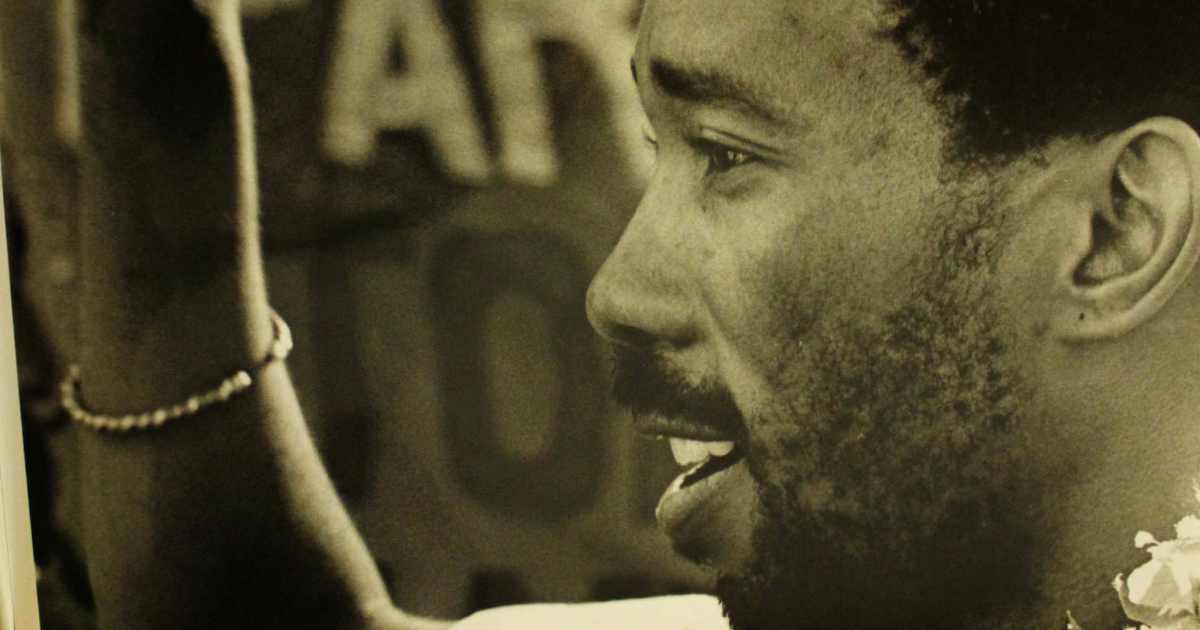
Simon Nkoli is an iconic figure in South Africa’s queer liberation movement (Photo courtesy of the GALA Queer Archive)
Building a New Queer Movement
Nkoli had been involved with the Gay Association of South Africa (GASA), a largely white organisation that refused to support him during his imprisonment, deeming his politics “too political”. Disillusioned, he resolved to build a new, progressive queer movement.
On his release in 1988, he founded the Gay and Lesbian Organisation of the Witwatersrand (GLOW). The group went on to organise Africa’s first LGBTQ+ Pride March in 1990. Around 100 people took to the streets of Johannesburg—some with paper bags over their heads for safety.
It was at this march that Nkoli delivered his iconic declaration:
“This is what I say to my comrades in the struggle who ask me why I waste time fighting for moffies [an Afrikaans slur for gay men]. And this is what I say to white gay men or women who ask me why I spend so much time talking about apartheid when I should be fighting for gay rights. I am black and I am gay. I cannot separate the two parts of me into secondary or primary struggles. They will be all one struggle. In South Africa I am oppressed because I am a black man, and I am oppressed because I am gay. So, when I fight for my freedom, I must fight for both oppressions.”
A Pioneer in HIV Activism
Nkoli was diagnosed with HIV while in prison and became one of Africa’s first openly HIV-positive gay men.
At a time when stigma was rife, his openness was groundbreaking. He founded the Positive African Men support group and became a leading voice in the movement for better treatment, support, and understanding for people living with HIV.
Securing LGBTQ+ Rights in a New South Africa
Nkoli played a pivotal role in securing constitutional protection for LGBTQ+ people in the new democratic South Africa. He was one of the first queer activists to meet Nelson Mandela, and his advocacy helped ensure that sexual orientation was explicitly included in the equality clause of the 1994 Constitution—the first constitution in the world to do so.
He also campaigned for the repeal of the sodomy law, which finally fell in 1998, just months before his death.
A Legacy of Courage and Intersectional Freedom
Simon Nkoli died of AIDS-related illness on 30 November 1998—the eve of World AIDS Day—at just 41 years old. Yet his legacy continues to be felt across the world.
He travelled widely, opened the Gay Games in New York in 1994, and has been memorialised through books, plays, documentaries, and even a street in Amsterdam. Beverley Ditsie’s acclaimed documentary Simon & I and the musical Nkoli: The Vogue Opera continue to introduce him to new generations.
Nkoli will forever be remembered for his unwavering belief that the fight for queer freedom cannot be separated from the fight for racial, social, and economic justice. His life stands as a testament to the power of intersectional activism—and to the courage it takes to insist on freedom for all.
Leave a Reply