
More than 100 African civil society organisations have united in a growing campaign calling on Ghanaian President John Mahama to send the country’s recently passed anti-LGBTQ+ bill back to Parliament for a more transparent and democratic process.
Under the banner #BackToSender, the coalition warned that the Human Sexual Rights and Family Values Bill, 2025, was rushed through Parliament without sufficient scrutiny or public accountability.
If passed, the bill will further criminalise identifying as LGBTQ+ or as an ally with jail sentences of up to three years, and citizens will be required to report suspected LGBTQ+ people to the authorities.
The dissemination or publication of materials that advocate for the equality or affirmation of LGBTQ+ people would carry prison sentences of up to 10 years. The bill would also disband organisations that support LGBTQ+ rights and ban adoption by LGBTQ+ individuals.
Only 32 MPs Present for Vote
The bill, widely described by critics as one of the harshest anti-LGBTQ+ laws on the continent, passed on 29 May through a voice vote with only 32 lawmakers reportedly present in Ghana’s 276-seat Parliament.
In a joint statement issued from Accra, the coalition said Ghana had moved “one of the most consequential pieces of social legislation in its recent history from introduction to passage without the deliberative record being available to the public it governs.”
The organisations argued that the lack of objections during the parliamentary sitting did not amount to democratic legitimacy.
“Ghana’s Parliament exists to carry the weight of deliberation on behalf of 33 million people,” the statement read. “That obligation does not dissolve because 244 elected members were absent and no one said anything at the time.”
Public Health Concerns Remain
Activists also expressed concern about the bill’s potential impact on healthcare access for LGBTQ+ people, despite it now exempting healthcare workers, lawyers and journalists from being legally forced to report LGBTQ+ people.
The coalition warned that fear and stigma alone could discourage people from seeking HIV treatment and other medical services.
Referring to similar legislation enacted in Senegal earlier this year, the statement noted that HIV treatment consultations reportedly dropped by more than 25% within a month.
“A patient deciding whether to walk into a clinic does not consult a legal framework,” the organisations said. “They make a calculation in seconds, and the question is whether the risk of being identified, correctly or not, as LGBTQ+ outweighs their need for care.”
South African Activists Join the Call
South African organisation Embrace Diversity Movement (EDM) joined the appeal, drawing parallels between the situation in Ghana and South Africa’s own apartheid history.
“As a South African organisation rooted in the values of our Constitution, we know what happens when laws are made without the people,” EDM said. “We lived it under apartheid. We will not watch in silence as another African nation normalises democratic shortcuts to legislate hate.”
The organisation further criticised the influence of conservative foreign groups on anti-LGBTQ+ legislation across Africa, including Ghana’s own bill.
“Ghana does not need US-based evangelical groups like Family Watch International, CitizenGO, and Alliance Defending Freedom to write its laws,” EDM stated. “That is not family values. That is exported prejudice.”
Rightify Ghana Condemns Bill
Ghanaian advocacy group Rightify Ghana also condemned the bill’s passage, warning that it could fuel violence, blackmail, family rejection and arbitrary arrests targeting LGBTQI+ people.
“We respectfully call on President John Dramani Mahama not to assent to this bill,” the organisation said. “As President of all Ghanaians, he has a constitutional duty to protect the rights, freedoms, dignity, and wellbeing of every citizen.”
Rightify Ghana noted that Mahama himself previously stated that LGBTQ+ issues were “not the most important issue we face as a nation”, arguing that lawmakers should instead focus on economic hardship, healthcare, education and unemployment.
Mahama Signals Possible Review
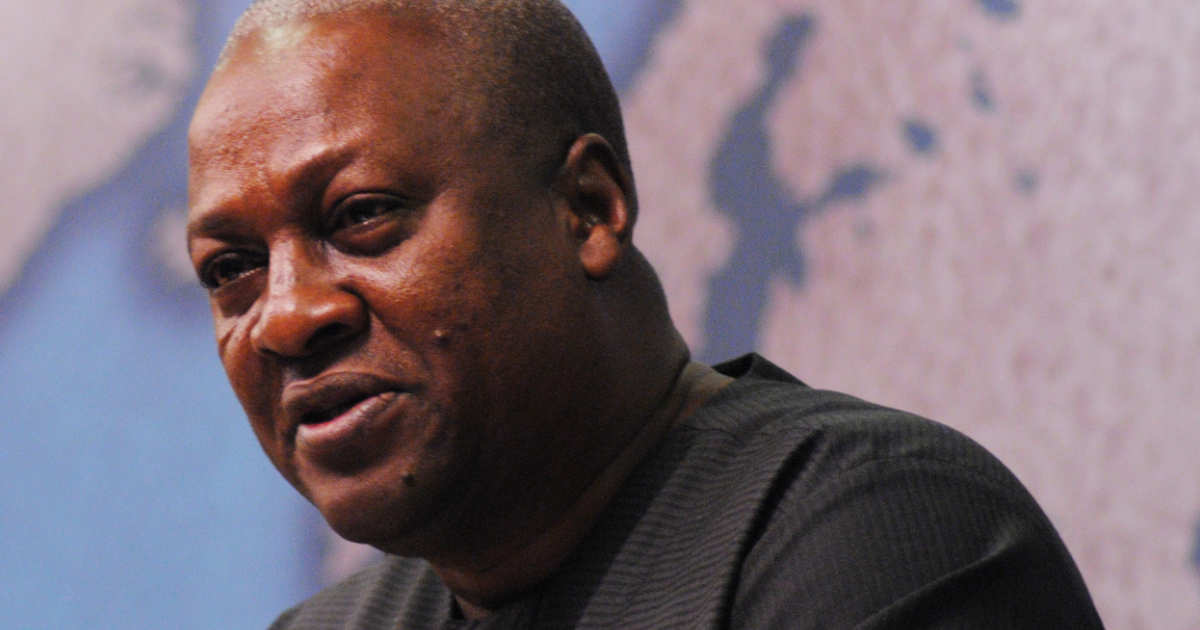
Speaking during a visit to the United Kingdom on Monday, President Mahama acknowledged that there were procedural and legal concerns surrounding the bill’s passage, including questions around quorum requirements.
Mahama said the legislation, which originated as a private member’s bill rather than government legislation, would undergo review by the Attorney General and legal advisers before any presidential assent.
“So we’ll look at it and make sure that everything is in order before the president is advised to assent,” Mahama said, adding that if concerns emerged, the bill could be returned to Parliament.
“And so there’s still quite a while to go before that bill becomes law,” he added.
Mahama said in 2025 that he would sign the bill if it was passed.
The #BackToSender coalition said Africa was watching Ghana closely and urged the country to uphold the democratic principles for which it has long been respected across the continent.