

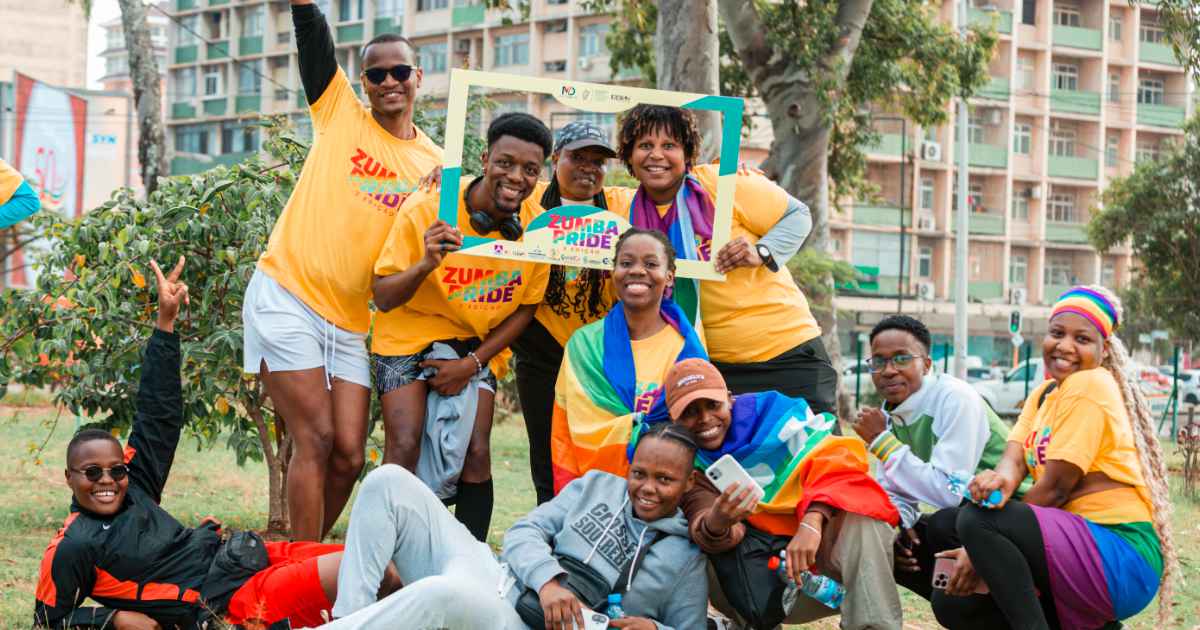
Activists in Mozambique are preparing to make history with bold plans to host the country’s first-ever Maputo Pride event this July. Organisers say the groundbreaking initiative is about far more than celebration — it is a public declaration that queer Mozambicans exist, belong and deserve visibility.
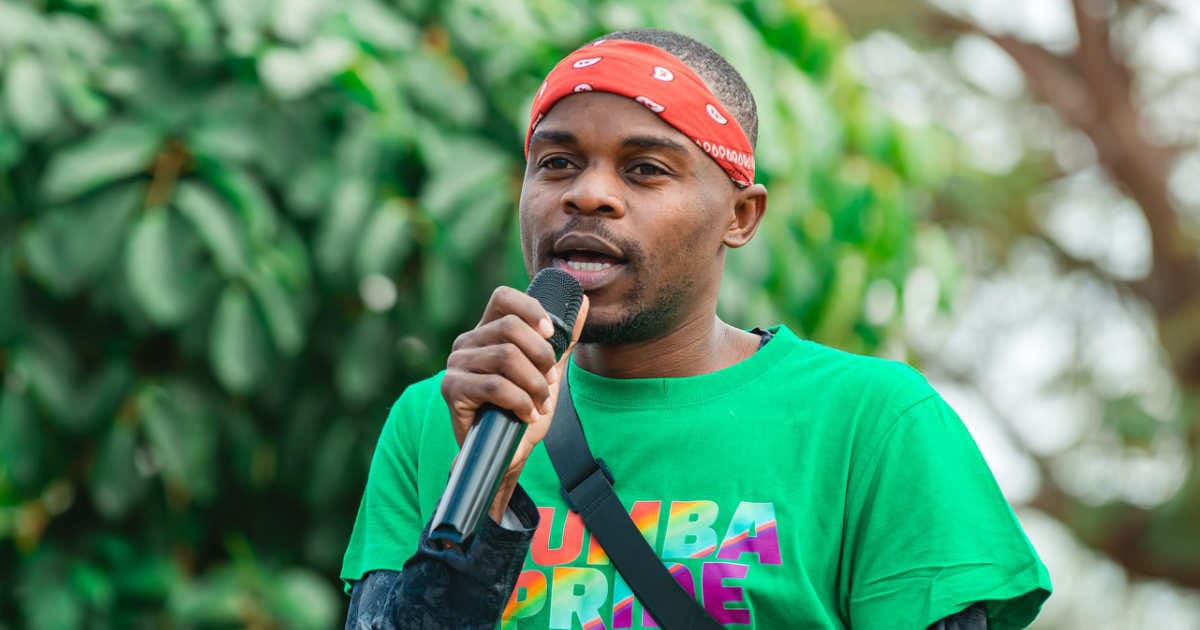
The event is being led by youth-driven organisation Maningue Diversidade (“A lot of diversity”), which has spent recent years building LGBTQIA+ community support through workshops, advocacy initiatives and its increasingly popular “Zumba Pride” events in the capital city.
Now, the group hopes to take that visibility to another level with an official Maputo Pride event, planned for 11 to 17 July.
“We Exist”: A Powerful Statement of Visibility
For organisers, the Pride theme — “We Exist” — carries deep significance in a country where many LGBTQIA+ people still feel forced to hide their identities.
“In Mozambique, there is still a great deal of silence around LGBTQIA+ lives,” explained Lionel Joaquim Júnior, Executive Director of Maningue Diversidade. “Many people live hidden because they fear family exclusion, violence, discrimination or social rejection.”
He said Pride aims to challenge that invisibility by reclaiming public space.
“Visibility is an important tool for collective affirmation and humanisation. When we occupy public spaces in an organised and peaceful way, we show that we exist, that we are part of Mozambican society and that we also have the right to full citizenship,” said Joaquim Júnior.
Beyond Decriminalisation
Mozambique officially decriminalised homosexuality in 2015, but organisers say legal reform alone has not translated into full inclusion or recognition.
“Decriminalisation was an important step, but on its own it did not mean social inclusion,” said Joaquim Júnior.
He noted that LGBTQIA+ groups in Mozambique still struggle to obtain legal recognition from the state, despite constitutional protections for freedom of association.
“LGBTQIA+ organisations such as LAMBDA – which has gone more than 18 years without legal recognition – ANTRA, TransFormar and others continue to be denied formal recognition,” he said.
“This lack of recognition has consequences across many areas, from access to inclusive education, employment opportunities and public services, to the absence of specific social protection policies.”
Testing the Waters With Zumba Pride
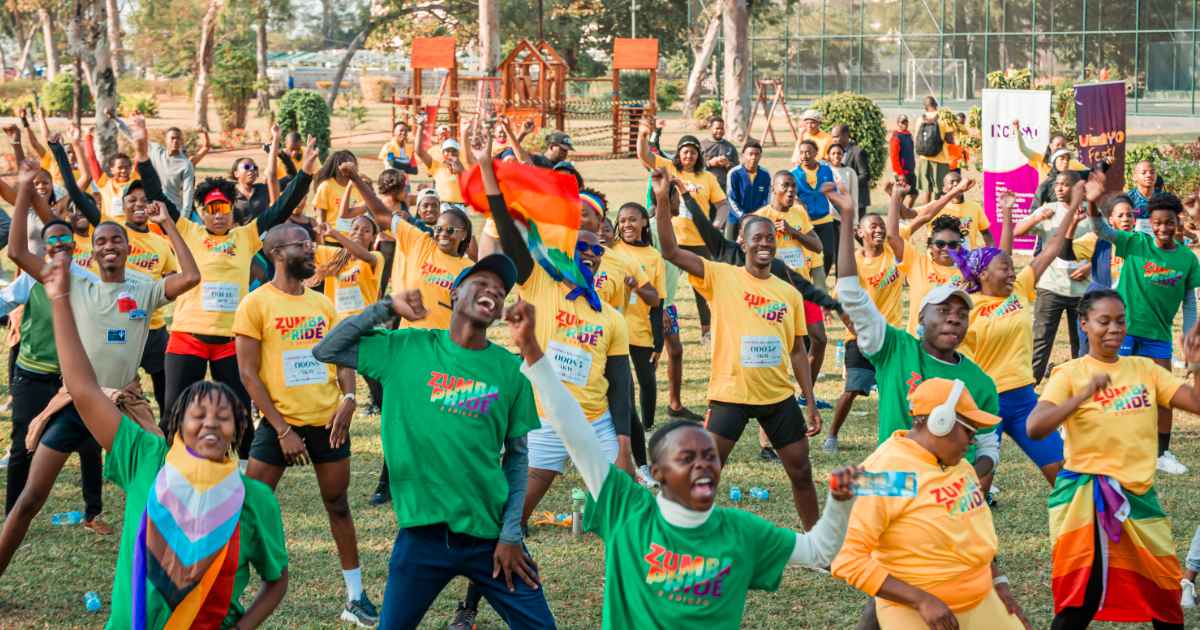
The idea for Maputo Pride grew out of the success of the organisation’s previous Zumba Pride events in 2024 and 2025, which blended fitness, community-building and queer visibility.
“Those experiences showed that there was a real need for more visible, inclusive and accessible LGBTQIA+ spaces in Maputo,” Joaquim Júnior explained.
Participation reportedly grew by more than 250% between the first and second Zumba Pride events, giving organisers confidence that a larger Pride celebration was possible.
Pride in a Time of Growing Anti-LGBTQIA+ Backlash
The organisers also see the event as an important response to rising anti-rights movements.
“We are living in a time when anti-rights and anti-gender movements are growing in several countries in the region,” said Joaquim Júnior. “That makes it urgent to create positive counter-narratives around diversity, inclusion and citizenship.”
He added that Pride is not simply about celebration, but about survival and hope.
“We want to create a generation that grows up knowing it can exist publicly without shame, fear or isolation,” he said.
A Week of Pride Events Planned
Organisers hope to host a wide range of activities during the week-long programme, including a Pride March, Pride Run, Zumba sessions, volleyball events, community dialogues and the “Maputo Vogue Night”.
The group is also encouraging families and allies to participate through its “Bring Your Family to Pride” campaign.
“We want Pride to be truly inclusive, accessible and representative platform that reflects the diversity of our community and Mozambican culture,” said Joaquim Júnior.
“We want to ensure the participation of trans and intersex people, young people, queer people from suburban and remote areas, as well as families, allies and different community groups that are often excluded from spaces of visibility and participation.”
Funding Remains the Biggest Challenge
Despite securing municipal approval for the Pride Parade, funding remains a major obstacle.
“Money has become our biggest Achilles heel,” Joaquim Júnior admitted. “We need resources for permits, security, logistics, communication materials and event visibility.”
He attributed the challenge partly to shrinking international funding and growing hesitation among some donors to support public LGBTQIA+ visibility events in the current political climate.
Still, organisers remain determined to make Maputo Pride a reality.
“The most important impact will be breaking, for the first time on a large scale, the historic invisibility of LGBTQIA+ people in Mozambique,” said Joaquim Júnior.
“Queer, trans and intersex young people should be able to look at public space and realise that they belong there too.”
For more information about Maputo Pride or to offer support to the organisers, email maputopride@gmail.com.



One Comment
It’s truly a very impactful action, especially nowadays, where this generation, and the LGBTQIA+ population, has been experiencing discrimination and needs visibility.