
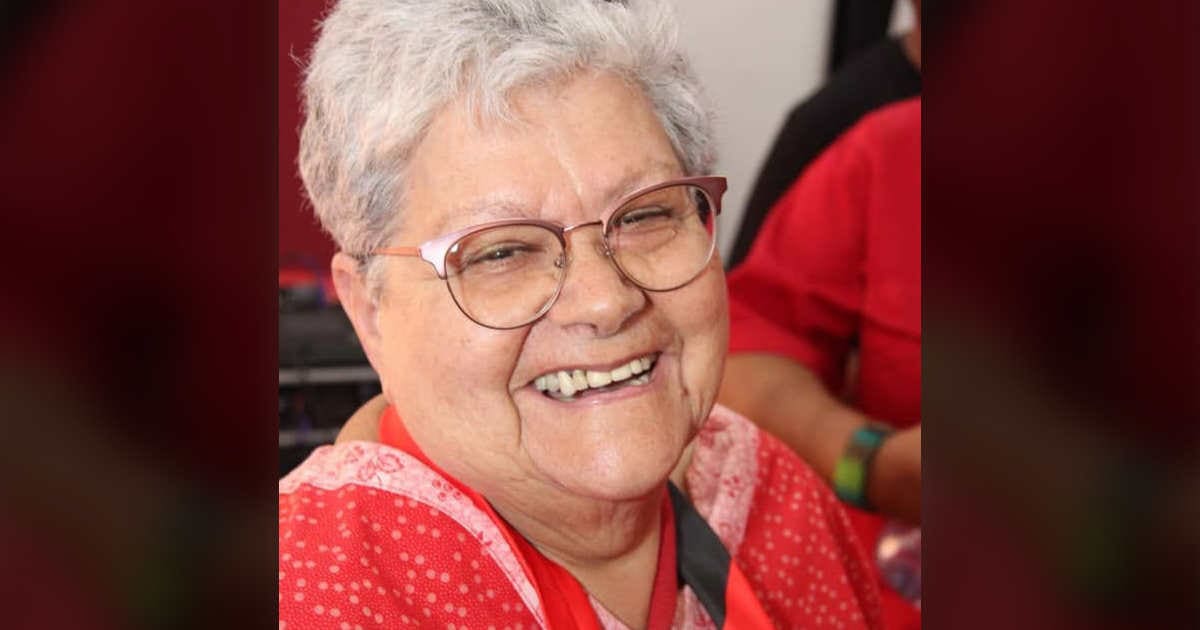
Sheila Barsel, also known as Sheila Lapinsky, died in Cape Town on 31 October 2026, aged 82.
A pioneering figure in South Africa’s liberation movement, Barsel helped lay the foundations for the country’s LGBTQIA+ rights movement and played a key role in the struggle for a democratic and inclusive society.
Her activism helped shape Johannesburg’s first Pride march in 1990, alongside fellow queer liberation pioneers Simon Nkoli and Bev Palesa Ditsie. The march, attended by around 800 people, was a groundbreaking public demonstration for LGBTQIA+ visibility and equality.
A political awakening under apartheid
Born in Johannesburg in 1944 into an Orthodox Jewish family with strong political awareness, Barsel developed an early commitment to social justice.
She attended Parktown Girls’ High School before studying sociology at the University of the Witwatersrand. There, she became General Secretary of the National Union of South African Students (NUSAS) and editor of Wits Student.
Barsel challenged both apartheid and sexism within the political movements opposing it. In 1973, she was banned by the apartheid government for five years.
Fighting for women’s rights and queer liberation
Barsel’s activism extended to women’s rights and LGBTQIA+ liberation. She was a co-founder of Rape Crisis and, in 1983, established the Lesbian and Gay Association (LILACS) with her life partner, Julia Nicol, who died in 2019.
In 1986, she co-founded Lesbians and Gays Against Oppression (LAGO) which became Organisation of Lesbian and Gay Activists (OLGA). It was the first and only gay organisation affiliated with the United Democratic Front (UDF), helping connect queer liberation with the broader anti-apartheid struggle.
Barsel also played a crucial role in the National Coalition for Gay and Lesbian Equality (NCGLE), which campaigned for constitutional protections against discrimination based on sexual orientation.
Her work helped ensure that LGBTQIA+ rights became part of South Africa’s democratic transformation.
A lifelong commitment to liberation
Barsel was involved in numerous political and social movements, including the UDF, the End Conscription Campaign and the African National Congress. She also served on the South African Communist Party’s Central Committee and Politburo.
Following the end of apartheid, she continued to work in public service and health policy. Her activism remained rooted in workers’ rights, social justice and international solidarity, including support for the Palestinian people.
The Congress of South African Trade Unions (COSATU) described Barsel as a “humble, tireless, dedicated and principled activist”.
“She sought nothing more than to serve the nation and expected no rewards bar the liberation and emancipation of the people, in particular the poor. South Africa has been blessed to produce such gallant yet unsung heroes such as Sheila,” the federation said.
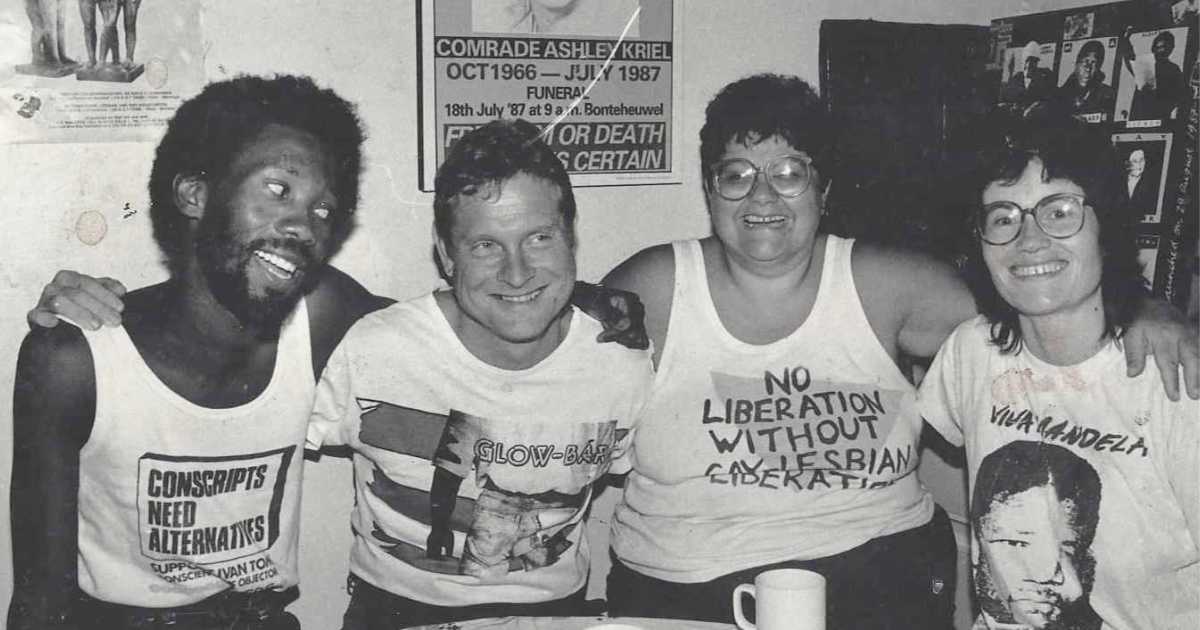
Remembering a fierce queer activist
The ANC-aligned Equality and Diversity Movement (EDM) paid tribute to Barsel’s contribution to LGBTQIA+ liberation.
“We dip our rainbow flag. Mama Sheila taught us that queer liberation is not an add-on to the revolution, it IS the revolution,” said EDM Secretary-General Mpho Buntse.
The organisation also highlighted the work Barsel and her fellow activists did to secure constitutional equality.
“If our Constitution today says no one shall be discriminated against on the basis of sexual orientation, it is because Sheila, Julia, Simon and Bev did the hard, unglamorous work of education, agitation and organisation.”
GALA Queer Archive (GALA) also recognised Barsel’s role in building the queer movement and preserving its history.
Her activism contributed to landmark publications documenting LGBTQIA+ life and resistance in South Africa, including Defiant Desire (1994) and Pride: Protest and Celebration (2006).
GALA concluded its tribute: “Thank you for your courage, Sheila, you are remembered. Hamba kahle.”
“Drive queerly and gaily ahead”
On International Lesbian Day in October, days before her passing, queer activist Zackie Achmat described Barsel as “a force of nature”, recalling her courage during the darkest days of apartheid and her enduring commitment to freedom.
He shared a memorable moment from their time travelling to an NCGLE meeting.
“One day we were driving to an NCGLE meeting, and I said to her ‘Drive straight ahead’, and I was sternly admonished. ‘We say drive queerly and gaily ahead.’ A lesson that I live by till this hour.”
A legacy that lives on
Sheila Barsel’s life bridged the anti-apartheid struggle, feminist activism and the fight for LGBTQIA+ equality. She helped build organisations, challenge discrimination and ensure that queer people were part of South Africa’s vision for a democratic future.
Her legacy lives on in the constitutional rights she helped secure, the movement she helped shape and the generations of activists inspired by her courage.
She fought for a South Africa in which no one would have to choose between their identity and their freedom.