
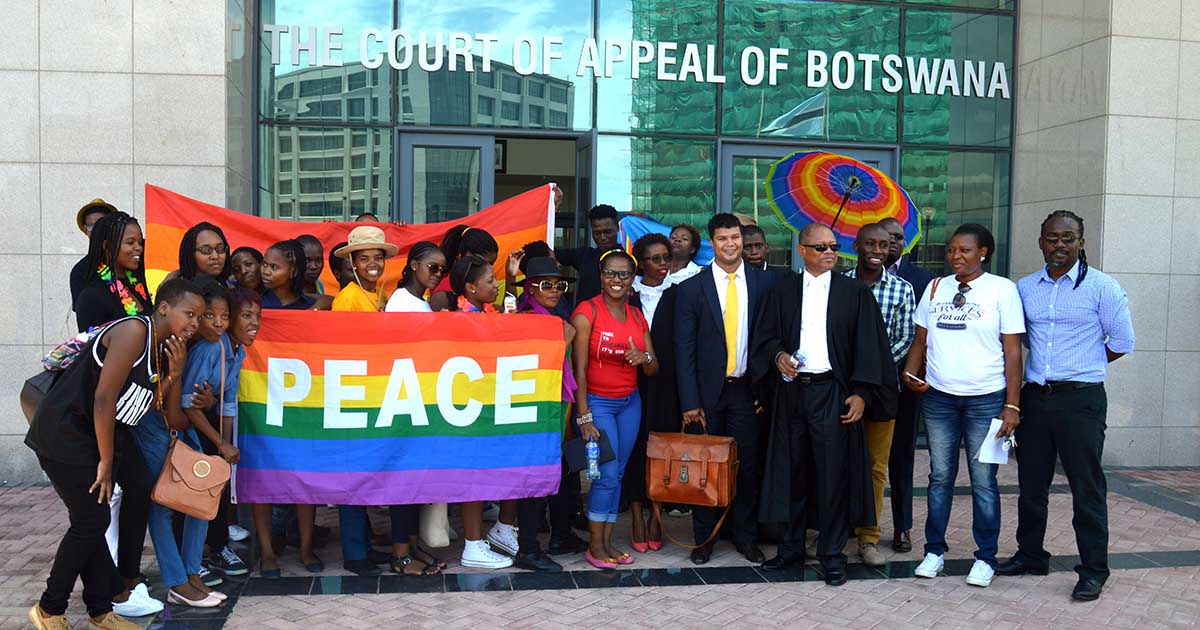
The Southern Africa Litigation Centre (SALC) is marking 20 powerful years of advancing human rights in the region, including the rights of LGBTIQ+ individuals, by challenging discriminatory laws and practices through the courts.
Since its founding in 2005, SALC has worked to promote and uphold human rights and the rule of law across Southern Africa. It does this primarily through strategic litigation (legal action), as well as by providing technical expertise and financial support to lawyers and grassroots organisations.
In addition to its broader legal victories related to health care, freedom of expression, police and military abuse, and the rights of children, women, and sex workers, SALC has also played a pivotal role in several ground-breaking LGBTIQ+ cases in countries such as Botswana, Eswatini, Zambia, and Zimbabwe..
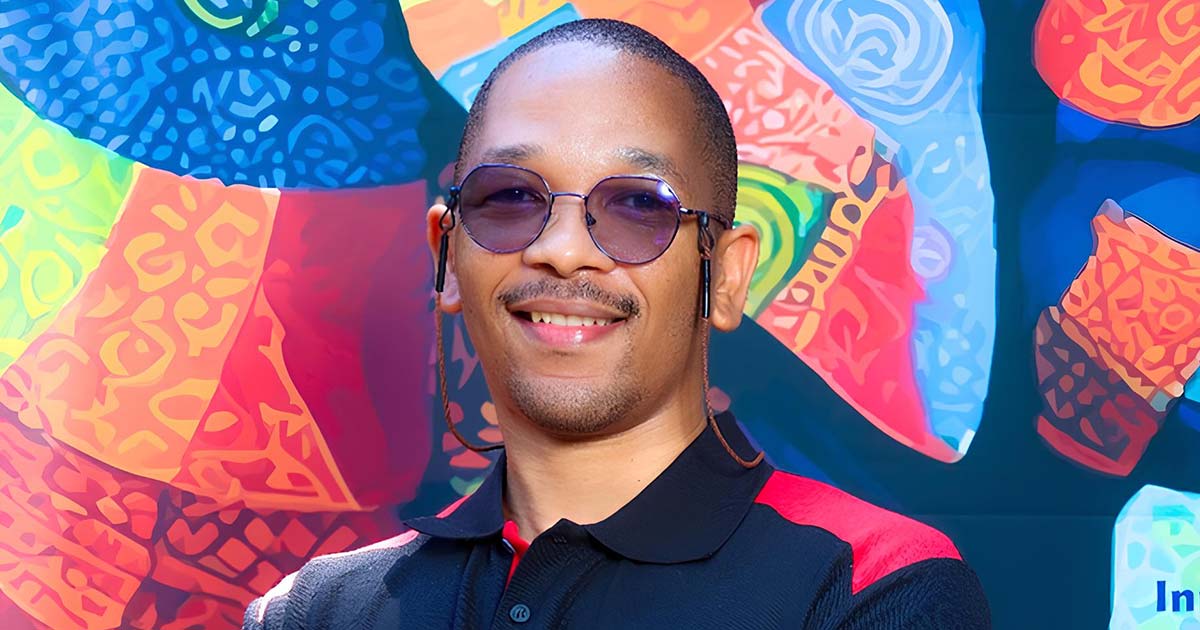
MambaOnline spoke to Bradley Fortuin, Programme Officer at SALC, about the organisation’s remarkable legacy of impact — and the growing challenges facing LGBTIQ+ rights across the region.
What is strategic litigation and what is its role in advancing LGBTIQ+ rights on the continent?
Strategic litigation, put simply, is using the courts – as a last resort – to carefully push for broader social change. It is not about filing every possible case but about picking the right battles to set legal precedents, shift public opinion and hold governments accountable to recognise and protect the human rights of all, especially of marginalised and vulnerable communities. It’s vital for the rights of LGBTIQ+ people because in many countries across the region, these rights are not just ignored, they are actively suppressed. Legal systems are often used as tools of oppression, but when pushed the right way, they can also become liberation tools and restore humanity and dignity.
What are the criteria SALC considers before embarking on or supporting a case?
We look at several areas, but importantly, we look at the potential for setting precedents. Will the case set a legal precedent that could benefit the broader community and not just an individual? Are the cases community-driven? It must be grounded in the lived realities and priorities of the community involved, as their voices and intentions guide our direction. We also examine the courts’ timing and attitudes about the particular matter. For example, are they passing judgments that uphold the criminalisation of LGBTIQ+ or making remarks to show a change in attitudes? And lastly, looking at our environments, are they hostile or not when it comes to the rights of certain people? What risks are involved to the community, and we collectively explore how to protect them throughout the process.
How have South Africa’s post-1994 LGBTIQ+ rights advancements influenced the region and the broader African continent?
South Africa showed that the rights of LGBTIQ+ people can be part of a democratic and constitutional framework; therefore, it gave human rights defenders and activists a legal framework to reference when challenging our own governments seeking legal registration of LGBTIQ+ advocacy groups, challenging decriminalisation of same sex relations, legal gender recognition and seeking anti-LGBTIQ+ hate crime laws. Socially, Pride celebrations in South Africa have long been a place where queer people from across Africa would attend and feel a sense of belonging. Even some characters on South African TV shows and movies such as Egoli, Generations, Intersextions, Rhythm City and Inxeba have promoted queer visibility and representation, showing that queer storytelling from an African lens is possible.
Societal Shifts Fuel Legal Change
What socio-political changes over the past 20 years have made strategic litigation a more effective strategy in securing LGBTIQ+ rights?
Public advocacy and awareness campaigns have played a powerful role, as courts do not operate in a silo. They somehow do respond to public conversations around dignity, safety and inclusion. Thanks to global HIV funding and programming, governments have been nudged into acknowledging key populations, especially men who have sex with men and transgender women. These are small policy wins that slowly add up. In a few countries, such as Botswana, Lesotho, South Africa, Mauritius and Seychelles, labour laws have even been amended to protect people based on sexual orientation and HIV status, which is another significant shift, while Angola’s Penal Code allows for aggravated sentencing of crimes motivated by discrimination based on sexual orientation. Over the years, queer communities have carved out space through Pride events, media stories, documentaries and more. This increase in visibility resulted in a slow but growing wave of understanding and recognition.
What are the most concerning developments SALC is seeing in the region that are limiting — or threatening to limit — the rights of LGBTIQ+ communities right now?
Several countries are either tightening criminal laws or threatening to introduce new anti-LGBTIQ+ legislation under the guise of “protecting African family values.” Governments increasingly target human rights advocacy organisations through restrictive NGO operating laws to silence dissent and reduce access to resources. This makes it hard for LGBTIQ+ advocacy groups, especially now that global foreign aid has been cut. Arbitrary arrests, extortion, harassment by police and denial of access to legal remedies remain widespread, particularly for trans folks and sex workers.
SALC has been involved in several groundbreaking LGBTIQ+ cases. Which of these do you believe has had the most significant impact beyond the borders of the country in which it was litigated?
There have been several groundbreaking cases. In February 2014, a Zambian court acquitted prominent LGBTIQ+ rights activist, Paul Kasonkomona, who was charged with an offence against public morality after talking in support of LGBTIQ+ rights on TV. In 2014 and 2016, the High Court and Court of Appeal in Botswana, during the Thuto Rammoge case, affirmed the rights to freedom of assembly, association and expression of LGBTIQ+ people by ruling that the LGBTIQ+ advocacy group LEGABIBO must be legally registered.
In 2017, the High Court of Botswana ruled in favour of a transgender man, ND, stating that the government’s refusal violated his rights to privacy, equal protection, freedom from degrading treatment, freedom of expression, and freedom from discrimination. The court ordered the Registrar to issue a new identity document with the male gender marker. In November 2019, the Zimbabwean High Court affirmed the constitutional rights of transgender persons and condemned police abuse in the Ricki Nathanson case.
The 2019 Botswana decriminalisation case was not just a legal win; it was a big moment for the region. The fact that the High Court and later the Court of Appeal affirmed the dignity, privacy and humanity of same-sex relationships in such clear, unapologetic language sent a message far beyond Botswana’s borders.
All these cases gave hope to movements in countries still fighting restrictive colonial-era laws and showed that African courts can lead with courage and principle.
How is the growing influence of anti-rights and anti-gender movements — many of them Western-funded — affecting SALC’s work? Are these actors increasingly intervening in strategic litigation efforts?
There is no sugar-coating that the growing influence of anti-rights and anti-gender movements is making our work harder, more complex and more urgent. We see anti-LGBTIQ+ laws that oppose positive court rulings being introduced in Namibia. In Malawi, they show up in court as amici curiae (“friend of the courts”) in cases related to LGBTIQ+. They organise anti-rights public marches in Botswana, Malawi and Zambia, creating hostile environments for LGBTIQ+ people.
When Governments Defy Court Rulings
In countries like Eswatini, Botswana and Namibia, we’ve seen governments refusing to implement court rulings affirming LGBTIQ+ rights. How concerned is SALC about these incidents?
These trends are concerning. We are not just talking about implementation delays; we are concerned about state actors’ defiance of court orders with moves to amend the Constitution not to expand rights but to reverse the court’s decision. SALC continues to monitor these trends, not just to defend the rights of LGBTIQ+ people but to defend the courts themselves. Once the rule of law breaks down, every vulnerable group loses.
While South Africa is often seen as a progressive beacon in terms of LGBTIQ+ rights, are there legal issues still left to tackle in the country?
Yes, South Africa has had a legal head start. However, rights on paper do not equate to rights in practice. There are still significant gaps, especially for people living at the intersections of queerness, poverty, race and migration. Legal reform is not just about getting laws passed, but about making sure people can use those laws to live safely, freely and with dignity.
Are there any current or upcoming LGBTIQ+ cases that SALC is involved in that we should be watching?
SALC is continuing to support organisations and communities seeking registration in Eswatini and Malawi, and addressing hate crimes and police abuse in Angola.
What are some of the biggest risks or challenges SALC faces when litigating on LGBTIQ+ issues in countries with hostile governments?
The safety of the communities; the people involved in cases can face backlash, harassment, or even violence just for standing up in court. And even when a case is won, implementation is not always guaranteed, delaying justice even further. For us, communities must know what they are getting into and lead the way. SALC puts a lot of energy into building trust, supporting communities and ensuring that the litigation process does not leave them more exposed to harm.
As SALC marks its 20th anniversary, what are your hopes for the future of strategic litigation in defending LGBTIQ+ rights in Southern Africa?
My hope for the future of strategic litigation in defending human rights is that it becomes even more rooted in the realities of our communities. We have seen the power of the courts to affirm dignity and open doors, but we’ve also seen how easily those wins can be ignored or undermined when governments don’t feel accountable.
Do you remain optimistic despite the challenges?
Some governments are learning from each other, not to expand rights but to clamp down harder, borrowing the same anti-rights language and tactics. But our movements are smarter, more connected and more determined than ever. The wins may be slow, but they are real, and every court case, brave litigant and activist pushing back is part of a larger story. Aluta!